Last updated November 20, 2026
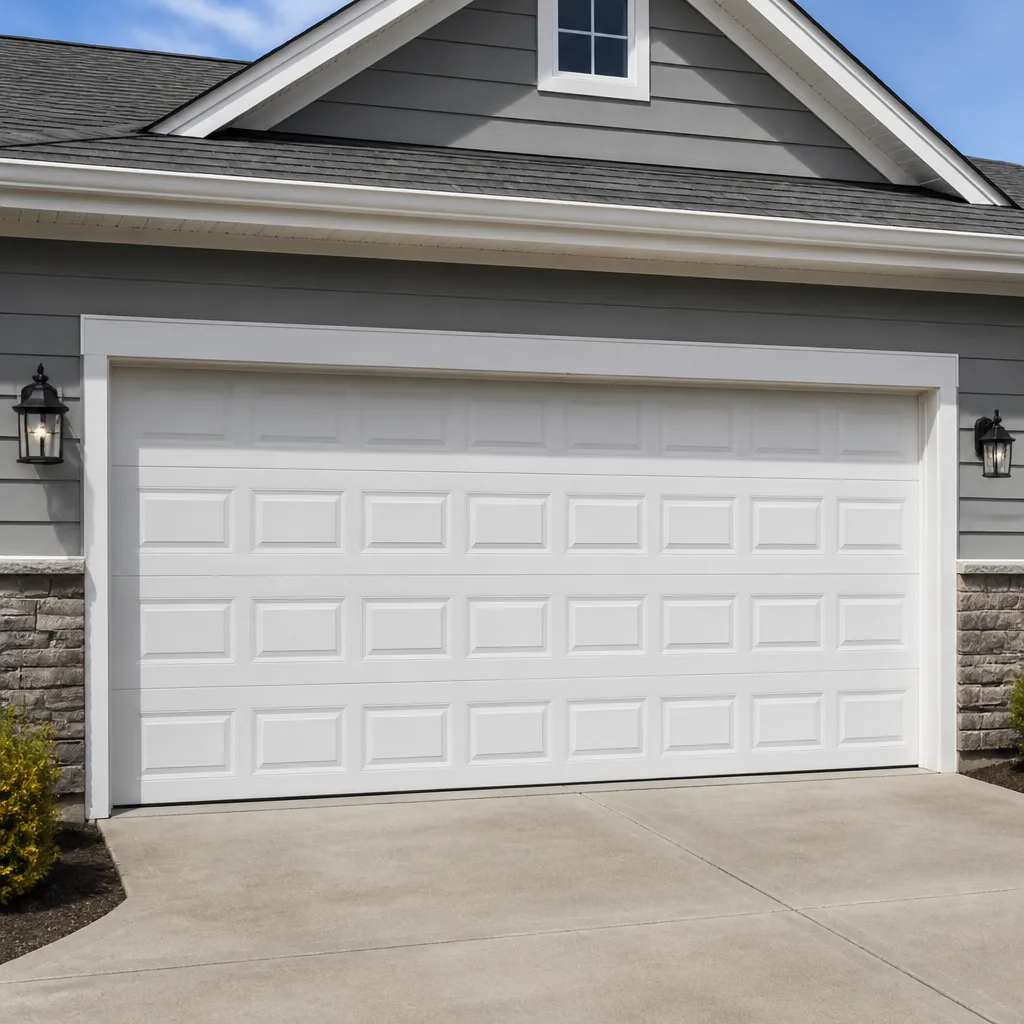 Raised-panel steel
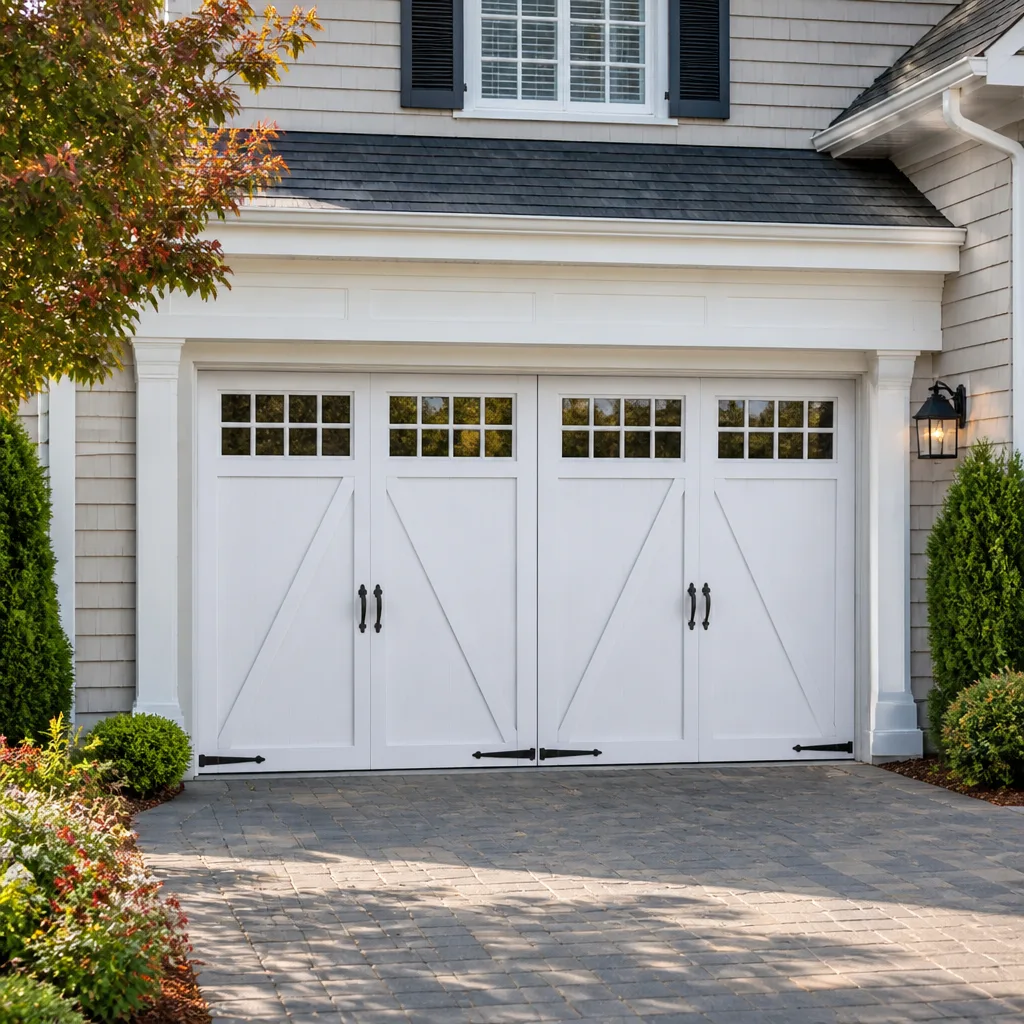 Carriage house
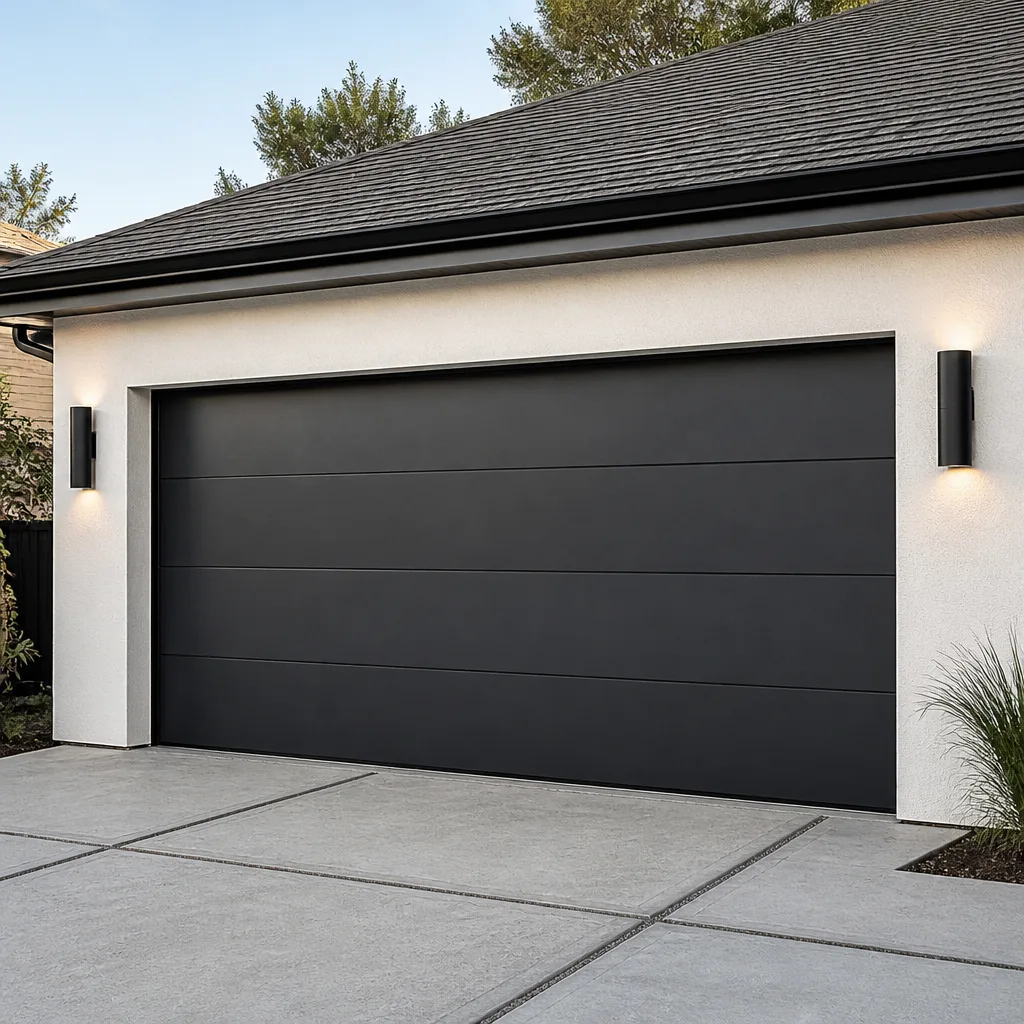 Modern flush
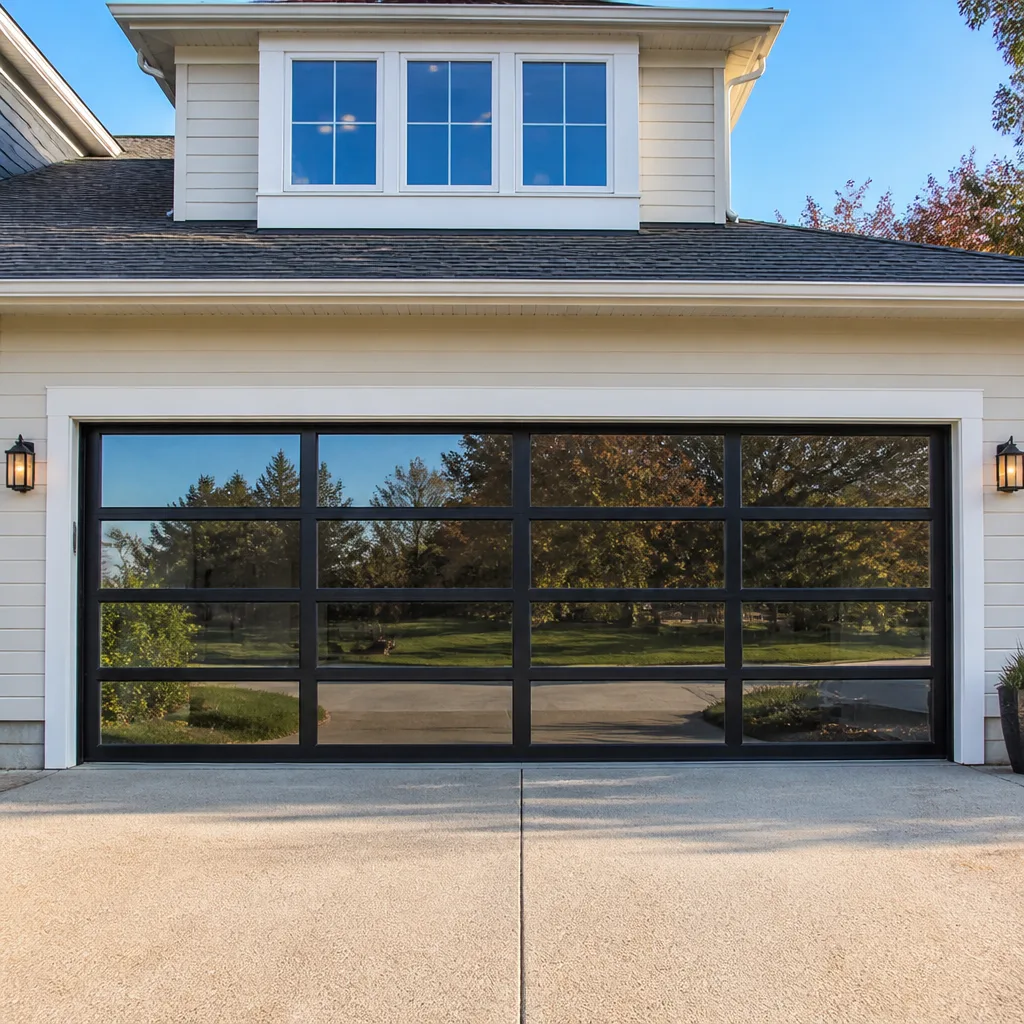 Full-view glass
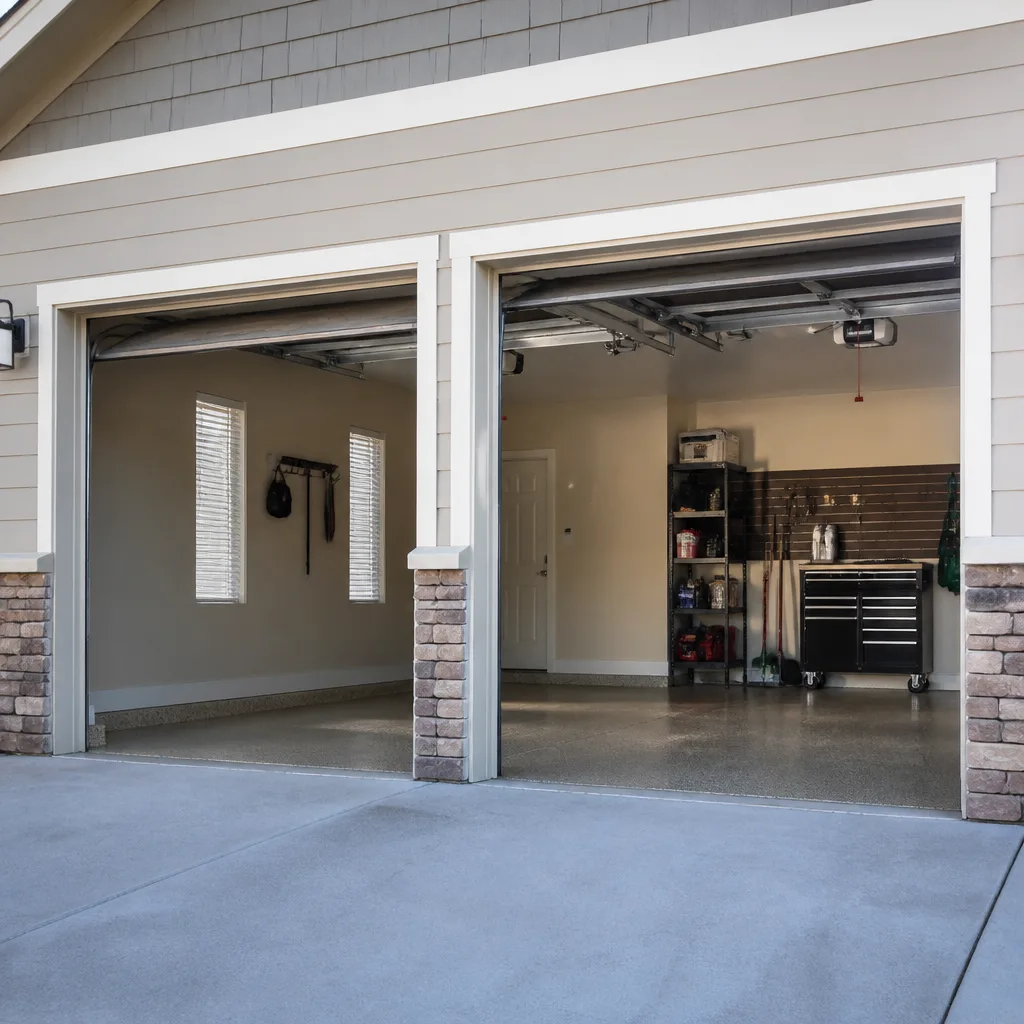 LiftMaster openers
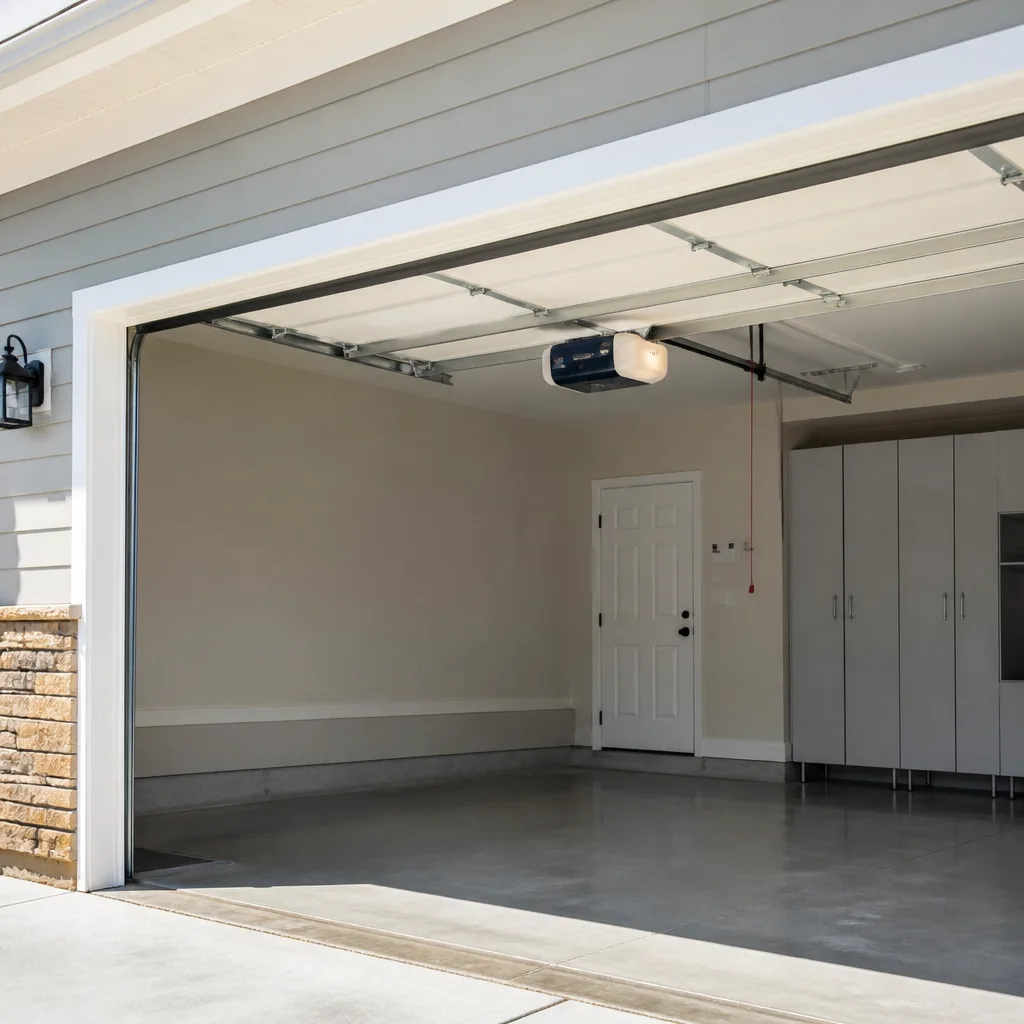 Chamberlain openers
Full 25-point door and opener safety check with every visit - springs, cables, rollers, tracks, and your LiftMaster or Chamberlain opener included
You get a price before we start. It does not change when the pro arrives.
Get your free estimateGarage Door Repair Maintenance Checklist for Castleton Homeowners
Silicone spray on a torsion spring doesn’t lubricate it. It attracts grit that acts like sandpaper between the coils, and that single mistake accounts for a large share of the premature spring failures we see in Castleton. The mistake is understandable: silicone is sold as a lubricant, so people spray it on every moving part they can reach. The result is a spring that grinds itself thinner every cycle. This guide is the checklist we’d hand a neighbor. It names the exact product for each part, the 60-second balance test worth running twice a year, and the wear indicators you can spot from the driveway if you know where to look. It also flags which tasks genuinely extend the life of your system and which are feel-good busywork.
Quick Answer
A solid garage door maintenance routine in Castleton has four parts: lubrication with the right product on the right components, a twice-yearly balance and safety test, a visual inspection of springs, cables, drums and rollers, and a seasonal check of the weather seal against the freeze-thaw cycle. Most of this takes 15 to 20 minutes and costs nothing. Leave spring tension, cable replacement and opener wiring to a licensed technician. A trained eye can catch most failures before they strand your car.
Styles & brands we work with
- Raised-panel steel
- Carriage house
- Modern flush
- Full-view glass
- LiftMaster openers
- Chamberlain openers
Table of Contents
- Which Lubricant Goes Where (and Where Nothing Goes)
- The 60-Second Balance Test Castleton Homeowners Should Run Twice a Year
- Cable and Drum Wear Indicators You Can See Without Special Tools
- Weather Seal Inspection for Castleton’s Freeze-Thaw Cycle
- Springs: What to Watch and Why You Shouldn’t Touch Them
- Rollers, Hinges and Opener Checks That Actually Matter
- A Seasonal Maintenance Calendar for Castleton
- Maintenance That Extends Life vs. Maintenance That Changes Nothing
Which Lubricant Goes Where (and Where Nothing Goes)
Lubrication is where most do-it-yourself maintenance goes wrong, and the wrong product causes more damage than no product at all. Garage doors use three categories of surface: metal-on-metal pivot points, rolling surfaces, and the door’s tracks. Each takes a different approach. Spray the wrong thing on the wrong part and you get one of two outcomes: a sticky track that fights the door, or a spring that collects grit and grinds itself down.
Here’s the product-by-product breakdown we use on every Castleton service call:
- Torsion springs and extension springs: a dedicated garage door oil like 3-IN-ONE Garage Door Lube, applied lightly. The coil needs a thin film, not a coat. Silicone spray is the wrong choice here because it leaves a tacky residue that pulls in dust and pollen.
- Hinges and pivot points: white lithium grease. A small dab at each hinge knuckle and at the end bearing plates is enough. Lithium grease stays where you put it and doesn’t run in warm weather.
- Rollers: a few drops of garage door oil on the roller stems, not the wheels themselves. Nylon rollers generally need nothing. Steel rollers benefit from an occasional light oiling.
- Tracks: nothing. Tracks stay dry. Lubricant on a track turns into a magnet for grit and metal shavings, and that grit causes vibration and premature roller wear.
- Opener rail and chain: low-viscosity lubricant on the chain and rail sparingly. Belt-drive openers need none. Most LiftMaster and Chamberlain belt-drive units run clean for years with no lubrication at all.
After you apply the right product, listen. Run the door up and down from inside the garage. A properly lubricated door is quiet and smooth. A grinding, scraping or squeaking sound tells you something is off: a dry hinge, a worn roller, or a track out of alignment. If the noise persists after lubrication, call us for garage door repair – a sound that doesn’t quit usually means a part is failing, not just dry.
The 60-Second Balance Test Castleton Homeowners Should Run Twice a Year
The balance test tells you whether your springs, cables and tracks are working as a system. You run it twice a year, ideally in spring and fall when the season changes. You don’t need tools, and you don’t need to touch the springs.
- Close the door completely. Pull the opener’s emergency release cord to disconnect the door from the motor. The door is now manual.
- Lift the door halfway. Raise it by hand to roughly the middle of its travel and let it go.
- Watch what happens. A balanced door stays where you put it. A door that slams down means the springs have lost tension. A door that rises on its own means the springs are too tight or overcooked.
- Reconnect the opener and run it through a full cycle to confirm the door and the opener are speaking to each other.
- Test the safety reverse. Place a small block of wood or a roll of paper towels on the ground under the door. The door should reverse on contact. If it doesn’t, the opener’s safety sensor is misadjusted or failing.
The results mean something specific. A door that drops under its own weight is one of the clearest signs a spring is losing tension. Don’t wait for it to fail. A dropping door puts sudden load on the opener and on the cables, and it becomes a serious safety problem the moment it comes down on something or someone. A door that climbs on its own is rare and usually means the wrong spring was installed for the door’s weight. Both cases call for a professional check. In our experience, a door that goes out of balance mid-season is telling you something about the hardware, not the weather. This is why we make spring repair a core part of what we do.
Cable and Drum Wear Indicators You Can See Without Special Tools
Cables are the lifeline of a garage door. They hold the door’s weight against the spring tension, and they fail under load. A frayed cable isn’t a maintenance item you can fix yourself. It’s a call-the-professional item. But you can spot the early warning signs, and catching them early is the difference between a cable replaced and a door that comes down unexpectedly.
Look at each cable from the bottom and the top. You’re checking for:
- Frayed or birdcaged strands. Any fraying at all is a red flag. A cable is made of tightly wound strands, and once one breaks, the rest follow.
- Rust staining. A rusted cable is a weakened cable. Castleton’s humid summers are hard on steel, and rust on the cable is the rust you can see before the cable fails.
- Loose or slack cable. A cable hanging slack between the drum and the bottom bracket is dangerous. Stop using the door and call a technician.
- Drum wear. Look at the aluminum drum at each end of the torsion bar. Worn drums show grooves or a flattened winding surface where the cable has eaten into the metal.
- Cable on the wrong side of the drum. The cable should wind neatly into the drum’s groove. A cable riding over itself or off the drum is a failure in progress.
Drums and cables work together, so wear on one accelerates wear on the other. If you see any of these signs, don’t cycle the door more than you have to. Call a technician. This is one of the areas where general handyman services usually stop at the door – cables and drums require an understanding of the door’s weight and spring load that comes from working on these systems every day.
Weather Seal Inspection for Castleton’s Freeze-Thaw Cycle
Castleton sees real winters and real summers, and the freeze-thaw cycle is the toughest test a weather seal faces. In cold weather the bottom seal hardens and takes a set. In warm weather it softens and relaxes. Do that cycle a few hundred times and the seal starts to fail – not because of one dramatic event, but because of repeated stress. The seal is also the only thing keeping drafts, water and pests out of your garage, so a failed seal is more than a comfort issue.
Each type of seal failure tells you something different:
- Cracked: the rubber has dried out and lost its elasticity. Cracks usually start at the bottom edge and run through. The fix is replacement – a cracked seal can’t be repaired.
- Compressed: the seal is flattened, and it no longer touches the floor. You’ll see daylight under the door or feel a draft at the bottom. A compressed seal is usually caused by a door that sits too low or was adjusted wrong.
- Displaced: the seal has slid out of its retainer or pulled away from the door’s bottom edge. This can be a sign the door is out of balance or the bottom bracket is loose.
Check the side seals too, especially if your garage faces the weather. Wayne Dalton and Amarr doors, which we install and service, use different seal profiles; the factory part fits, and a generic strip often doesn’t. That’s one reason we keep parts on hand rather than sending homeowners to a big-box store for a seal that fits “close enough.” For door replacement and seal upgrades, our garage door installation service covers the full assembly, and a proper seal is part of the job.
Springs: What to Watch and Why You Shouldn’t Touch Them
Torsion springs and extension springs store enough energy to cause serious injury, and they can fail without warning. Spring maintenance is inspection, not adjustment. This is the one checklist item where the correct action is to look, listen and call a professional rather than reach for a wrench.
What to watch:
- A popping or snapping sound coming from the door or the torsion bar. This is not normal operation, and it’s often the sound of a spring that’s about to give.
- Visible gaps or breaks in the spring coil. A broken spring is obvious once you know what to look for – there’s a gap in what should be a continuous coil.
- Sagging springs. A torsion spring that sags or looks uneven from one side to the other is a sign of uneven wear or improper installation.
- Discoloration or rust on the spring. Some rust is normal on a galvanized spring; heavy rust or flaking is not.
On a torsion system, the spring has enough tension to seriously hurt anyone who doesn’t use the right tool and the right procedure. On an extension system, the springs are under tension along the side tracks and can release suddenly. Neither is a do-it-yourself adjustment. Our technicians have up to 12 years of experience working on springs, and we treat this as a specialty for a reason. If you suspect a spring problem, don’t cycle the door any more than necessary. Call a technician, keep everyone clear, and let a trained professional handle it. For everything from a single spring to a full new door, our Garage Door Repair Castleton service covers the whole lifecycle.
Rollers, Hinges and Opener Checks That Actually Matter
Rollers and hinges are small parts that carry a lot of load, and most of them fail quietly. A worn roller starts as a wobble, then a noise, then a door that jumps or binds. A worn hinge turns a smooth door into a fight. Both are cheap to replace and expensive to ignore. Here’s what to look for.
Rollers: a nylong roller that is cracked, chipped or wobbly on its stem should be replaced. Steel rollers should spin freely; one that’s stiff or noisy is on its way out. Replace rollers in sets, not singles, so the door stays balanced.
Hinges: check each hinge for looseness and visible wear. A hinge that squeaks after lubrication or that has a cracked plate should be replaced. Lubricate the hinge pin lightly.
Opener: a LiftMaster or Chamberlain opener is the most common system we see in Castleton, and a Genie or Craftsman unit is close behind. All four are brands we’re factory-familiar with, so diagnosing a specific model is straightforward. On the opener itself, check the following:
- Safety sensors: the two eyes at the bottom of the tracks should be aligned and unobstructed. A sensor that’s knocked out of alignment can make the door refuse to close.
- Force adjustment: the opener should reverse on contact. If it doesn’t, the force setting or the travel limits need adjustment.
- Battery backup: many units have a battery backup that needs replacing every few years. A dead backup won’t strand you until the power goes out, which is exactly when you need the door to work.
- Smart-home connection: if you use a LiftMaster or Chamberlain myQ system, confirm the app still reaches the door after any router change.
If your opener is older or misbehaving, a targeted garage door opener repair visit is usually faster than replacing the whole unit, and it’s cheaper. We diagnose the specific make and model rather than the generic “opener” a generalist would see.
A Seasonal Maintenance Calendar for Castleton
Castleton’s seasons put different stress on a garage door each time of year. A calendar keeps maintenance from becoming an annual panic. This is the routine we suggest to homeowners across the area.
- Spring: run the 60-second balance test after winter. Check the weather seal for cracked rubber. Clean and lubricate according to the guide above. Clear grit from the tracks with a damp cloth and dry them thoroughly.
- Summer: the biggest task is heat-related. Check the opener’s safety reverse and force settings after a few warm months – heat can affect spring tension and the door’s balance. Look at your cables for any rust spotting that started after a wet spring.
- Fall: this is the season to prepare for winter. Run the balance test again. Inspect the bottom seal and the side seals for cracks before the cold sets in. Lubricate again. Check the opener’s battery backup and replace it if it’s aging.
- Winter: listen for new noise on every cycle. Winter’s cold makes rubber brittle and springs stiffer. Keep the tracks clean and dry. If the door gets sluggish or noisy, it’s telling you something.
The calendar is the easy part. The thing that keeps a door working through all four seasons is catching small failures before they become expensive ones. That’s the difference between maintenance and repair – and maintenance is the cheaper side of that line every time.
Maintenance That Extends Life vs. Maintenance That Changes Nothing
Not every task on a garage door checklist earns its keep. In our experience, homeowners get talked into all sorts of “maintenance” that does nothing for the life of the door – and meanwhile skip the tasks that actually matter. Here’s the honest split.
What genuinely extends system life:
- Correct lubrication, applied to the right parts with the right product. This is the single highest-return maintenance task on a garage door.
- The 60-second balance test twice a year. It catches spring and cable problems before they fail, and it tells you when a door needs professional attention.
- Replacing rollers and hinges before they wear out the tracks. A cheap part that’s failing puts stress on everything around it.
- Keeping the weather seal intact. A failing seal lets in water and grit, and both accelerate corrosion.
- Checking the opener’s safety reverse. This is a genuine safety item, not a cosmetic one.
What changes nothing:
- Painting or “restoring” a torsion spring. The paint doesn’t extend its life, and it can hide the wear you’d otherwise see.
- Spraying lubricant on the tracks. It attracts grit and makes the door louder, not quieter.
- Adjusting spring tension yourself. This is where the real danger lives, and it’s not a maintenance task – it’s a technician job.
- Replacing a whole opener when only a component has failed.
The line between useful maintenance and busywork is mostly about whether the task is done on the right part with the right material. Do the four things that matter, run the balance test, and call when something changes.
Common Mistakes to Avoid
- Spraying silicone on the springs. It attracts grit that wears the spring down faster. Use a dedicated garage door oil instead, and apply it lightly. The spring doesn’t need a coat, just a film.
- Lubricating the tracks. Tracks stay dry. Lubricant holds grit and metal shavings, which causes vibration and premature roller wear. Clean them dry, not oily.
- Adjusting spring tension by yourself. This is a genuine safety hazard, not a maintenance task. A torsion spring stores enough energy to cause serious injury, and the adjustment needs the right tool and the right procedure. Always use a technician.
- Ignoring a door that drops or rises on its own. A door that won’t stay put is telling you a spring is failing. Every extra cycle puts load on the opener and the cables.
- Replacing one roller at a time. Replace rollers and hinges in sets, not singles. A mismatched set leaves the door unbalanced and makes the wear worse.
- Letting the weather seal crack and ignoring it. A cracked seal lets water and pests into the garage, and water accelerates corrosion on the door’s steel parts. In Castleton’s freeze-thaw cycle, a failed seal can also mean a frozen bottom edge.
- Skipping the balance test. It’s the single most useful check on the whole checklist, and it takes a minute. A door that’s out of balance costs more to run and is more likely to fail.
See the difference
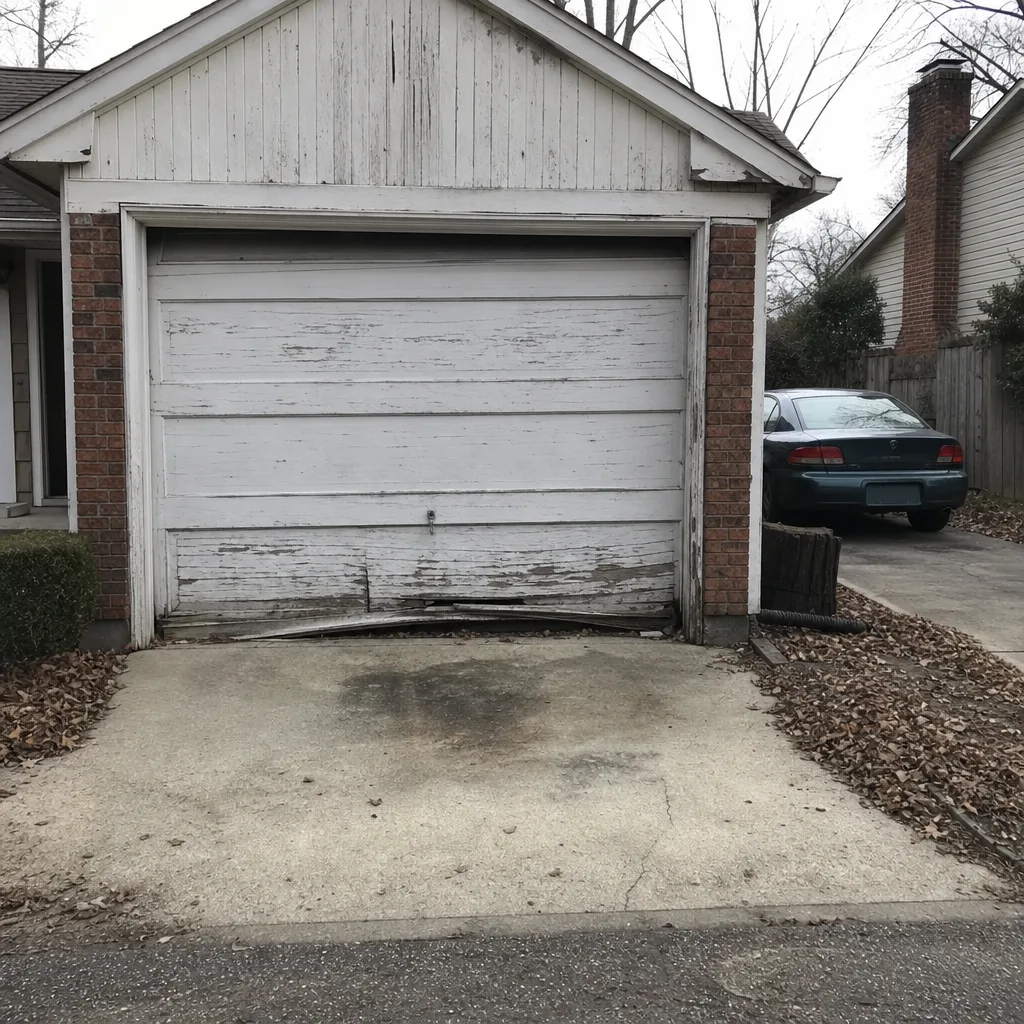 Before
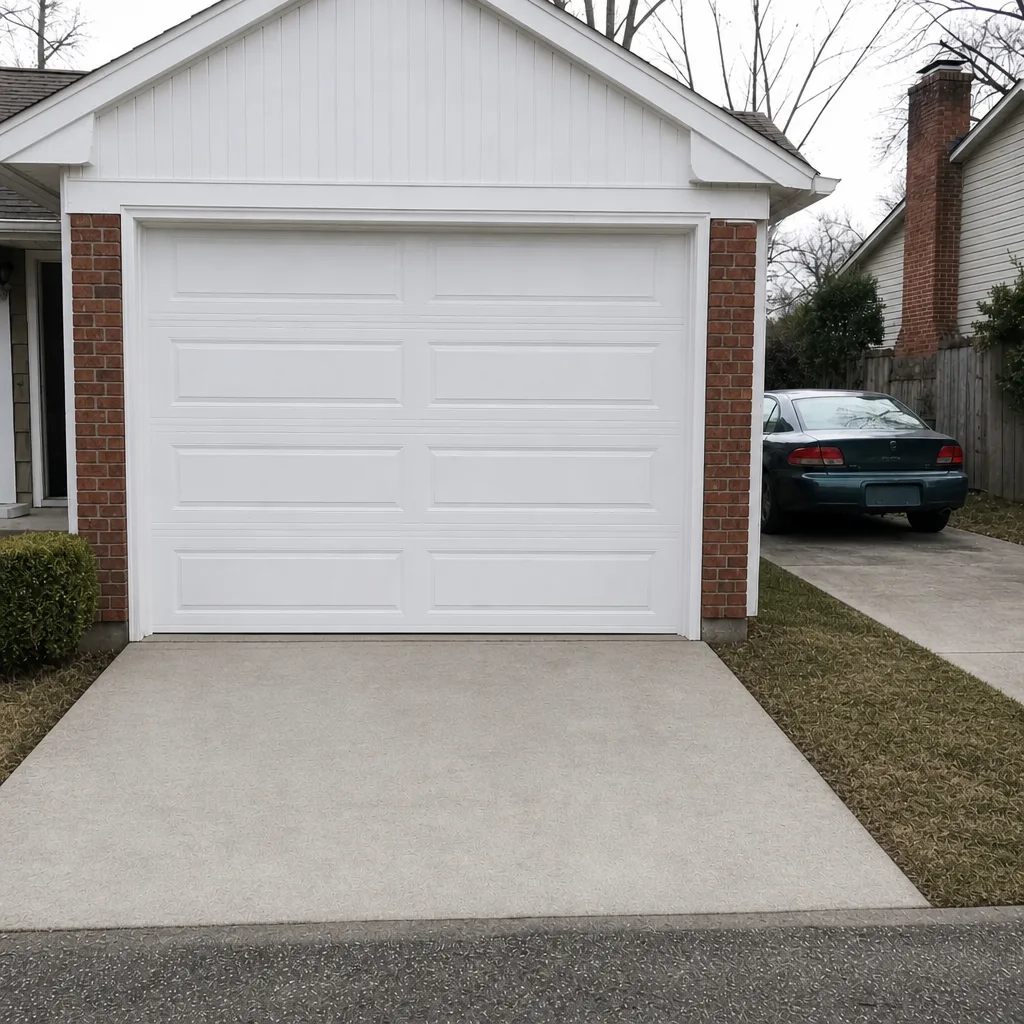 After
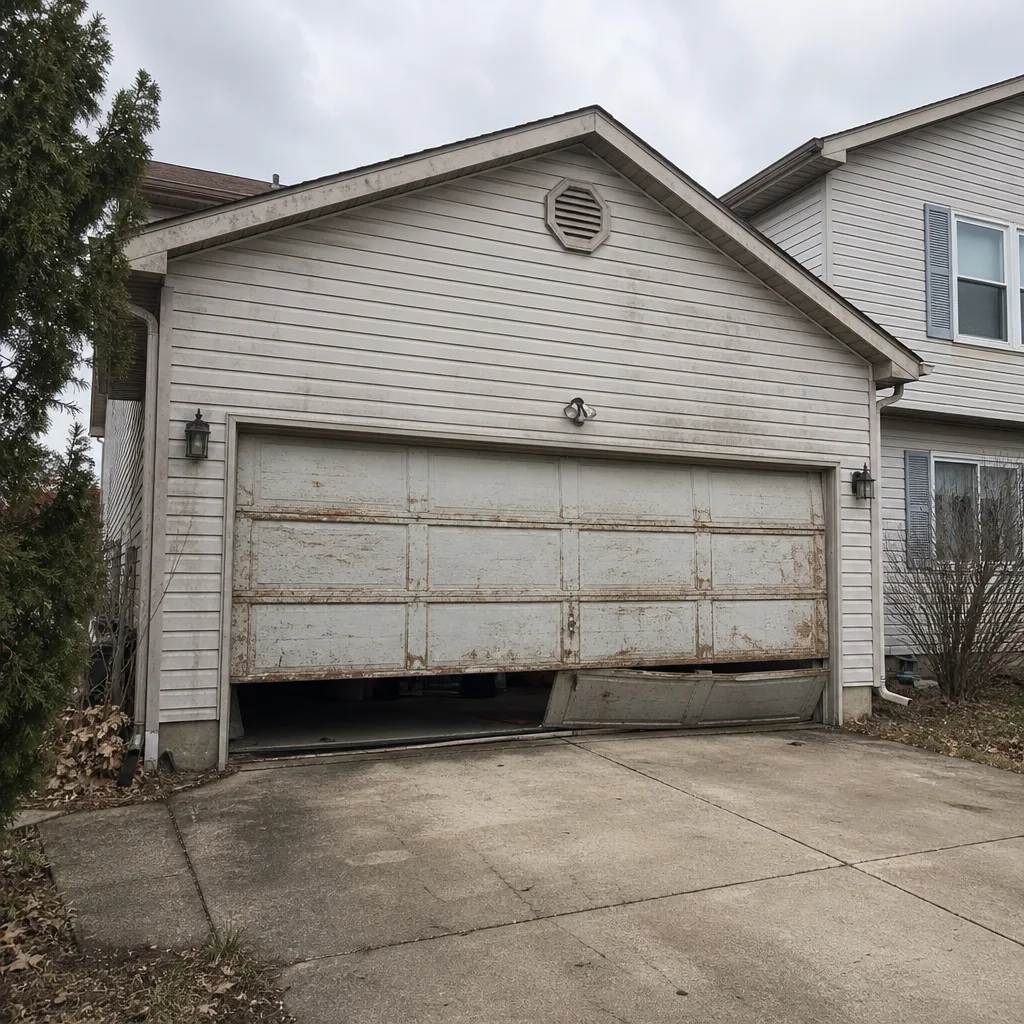 Before
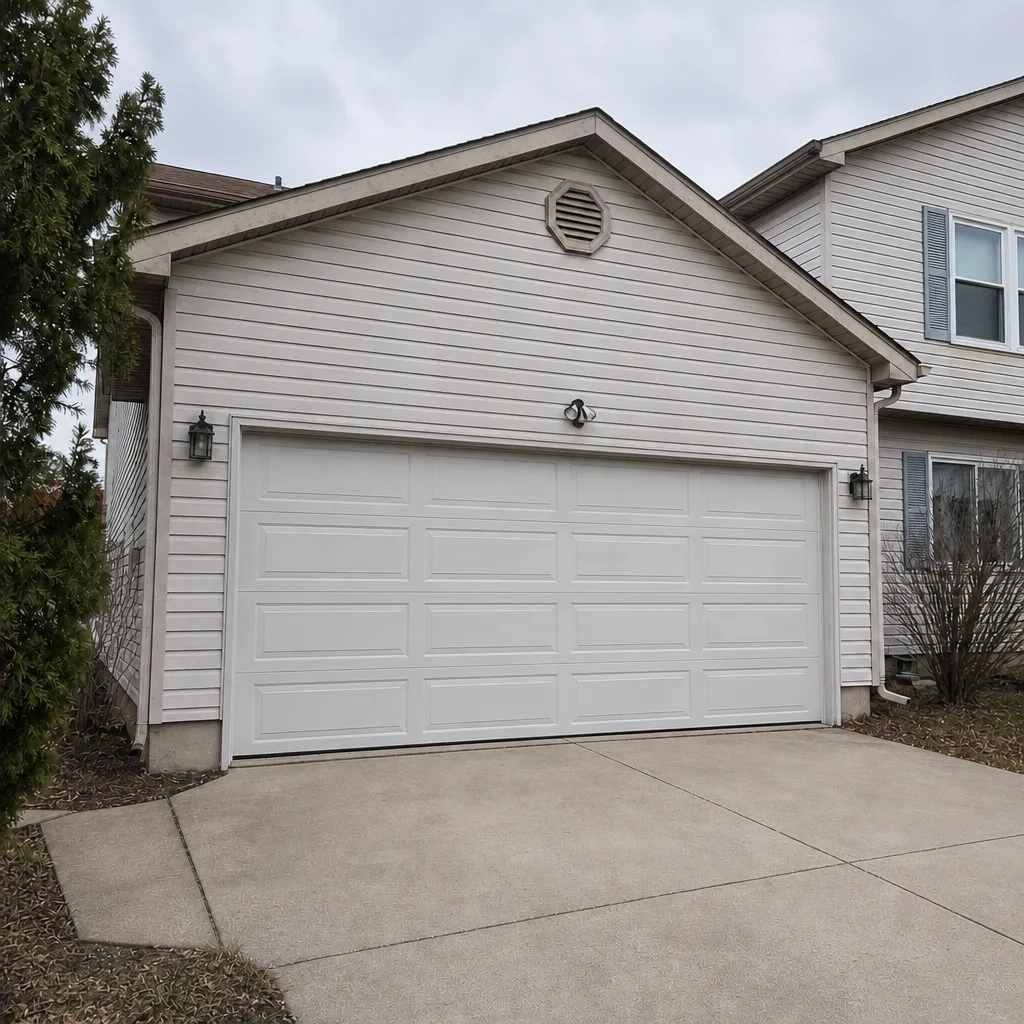 After
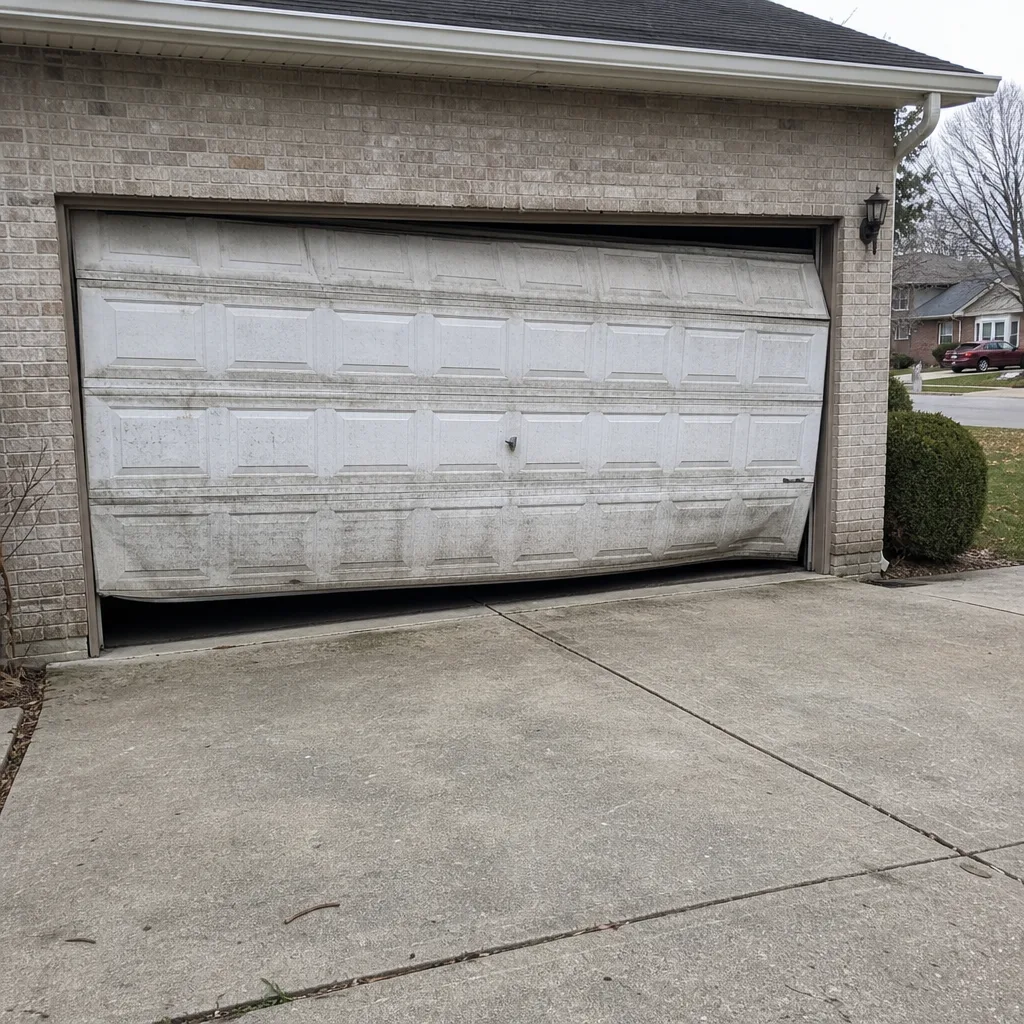 Before
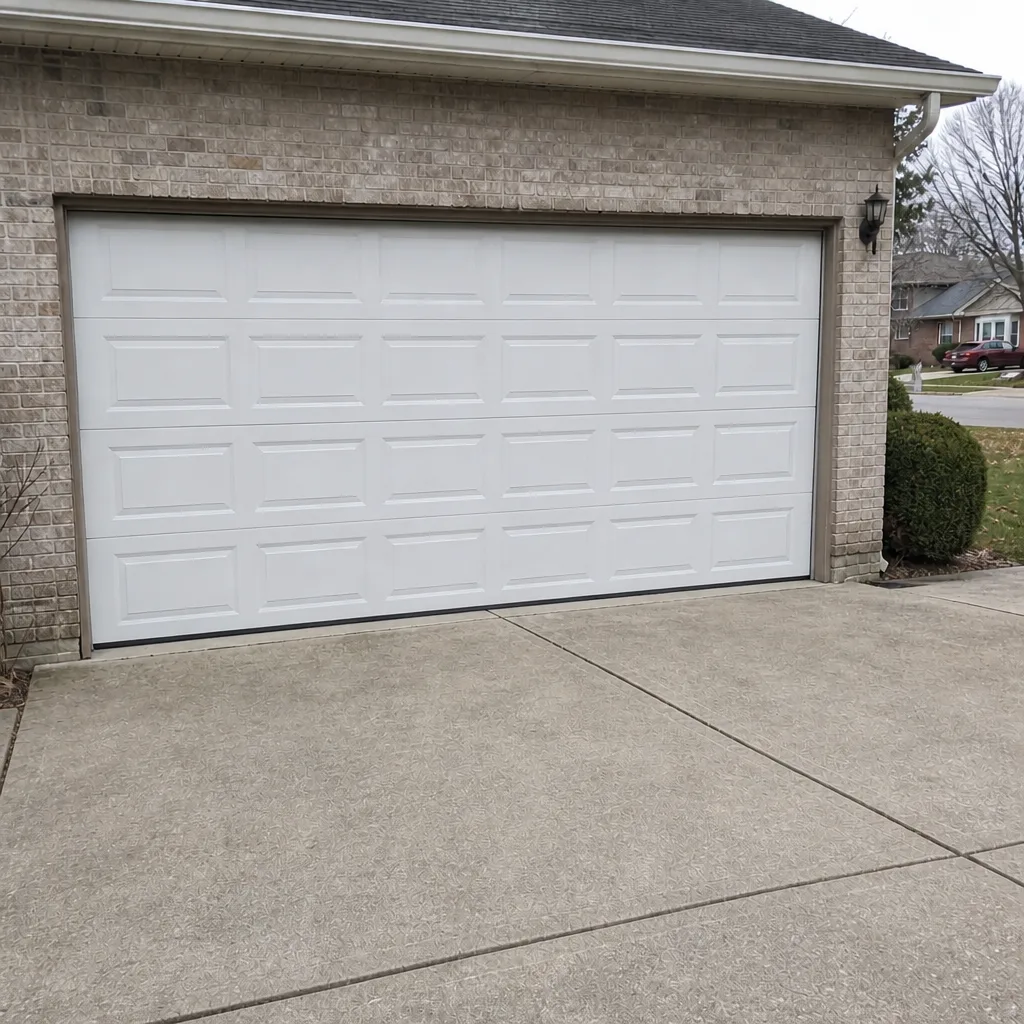 After
When to Call a Professional
Some tasks are genuine do-it-yourself territory: lubrication, visual inspection, the balance test, and checking the safety sensors. Others are not. Call a professional if you see any of the following:
- A spring that’s broken, sagging or visibly worn
- A cable that’s frayed, rusted, slack, or riding off the drum
- A door that drops, rises on its own, or won’t stay put when you let go
- A door that reverses or closes on its own, or won’t reverse on contact
- An opener that stops, reverses, or makes grinding noises halfway through a cycle
- A door that’s visibly off its tracks
Safety aside, a professional visit is faster and cheaper than the alternative. Our technicians have up to 12 years of experience, and we’re factory-familiar with the eight brands we service. Garage Door Repair Castleton offers free estimates in Castleton – call (844) 924-2080. We’ll tell you what we see, what it takes to fix it, and what it costs before we touch anything.
Frequently Asked Questions
Twice a year is the right cadence for most Castleton homes: run the balance test and lubricate in spring and fall. Check the weather seal and the opener’s safety reverse at the same time. Heavy use or an older door may call for a third check mid-summer. Between those scheduled checks, listen for new noise and look at the cables when you’re in the garage.
Use a dedicated garage door oil such as 3-IN-ONE Garage Door Lube, applied lightly. White lithium grease is for hinges and pivot points, not springs. Silicone spray is the wrong choice on torsion or extension springs because it leaves a tacky residue that attracts grit, and grit grinds the spring down. Keep the tracks dry – no lubricant at all.
No. A garage door spring stores enough energy to cause serious injury, and replacing one without the right tools and procedure is genuinely dangerous. This is a job for a licensed technician. We treat spring repair as a specialty for exactly this reason. If a spring looks broken or the door has stopped balancing, don’t cycle the door – call us.
The test tells you whether your door’s springs, cables and tracks are working as a system. Close the door, pull the release cord, lift the door halfway, and let it go. A balanced door stays put. A door that drops means the springs are losing tension; a door that rises on its own means they’re too tight. Either result is your cue to call a technician.
Castleton’s freeze-thaw cycle is hard on rubber. Cold hardens the seal and warm weather relaxes it, and a few hundred cycles of that dries it out. Check the seal in spring and fall, and replace it before cracks get through. Factory-fit seals for Wayne Dalton, Amarr, Clopay and Raynor doors fit properly; generic strips often don’t.
We connect homeowners with independent local professionals, and the local pro is licensed and insured as their state requires. Our technicians have up to 12 years of experience and are factory-familiar with the eight brands we service. We’ll tell you what’s wrong and what it costs before any work starts. Call (844) 924-2080 for a free estimate.
The Bottom Line
Garage door maintenance comes down to a short list done right. Lubricate with the right product on the right parts, keep the tracks dry, and run the 60-second balance test twice a year. Inspect the cables, drums and weather seal each season, and treat springs as an inspection item, not a repair you take on yourself. The tasks that matter are simple and cheap; the ones that don’t are usually the ones that cause damage. Do the simple version, and call when something changes. Our Garage Door Repair Castleton team is here when you’d rather have a trained eye take a look.
Whether you need a tune-up, a spring replaced, or a part that actually fits, we’re a single call away. Reach out to Garage Door Repair Castleton at (844) 924-2080 for a free estimate. We’ll walk you through what we see, what it takes to fix it, and what it costs – before any work starts.
Written by the team at Garage Door Repair Castleton.