Last updated November 20, 2026
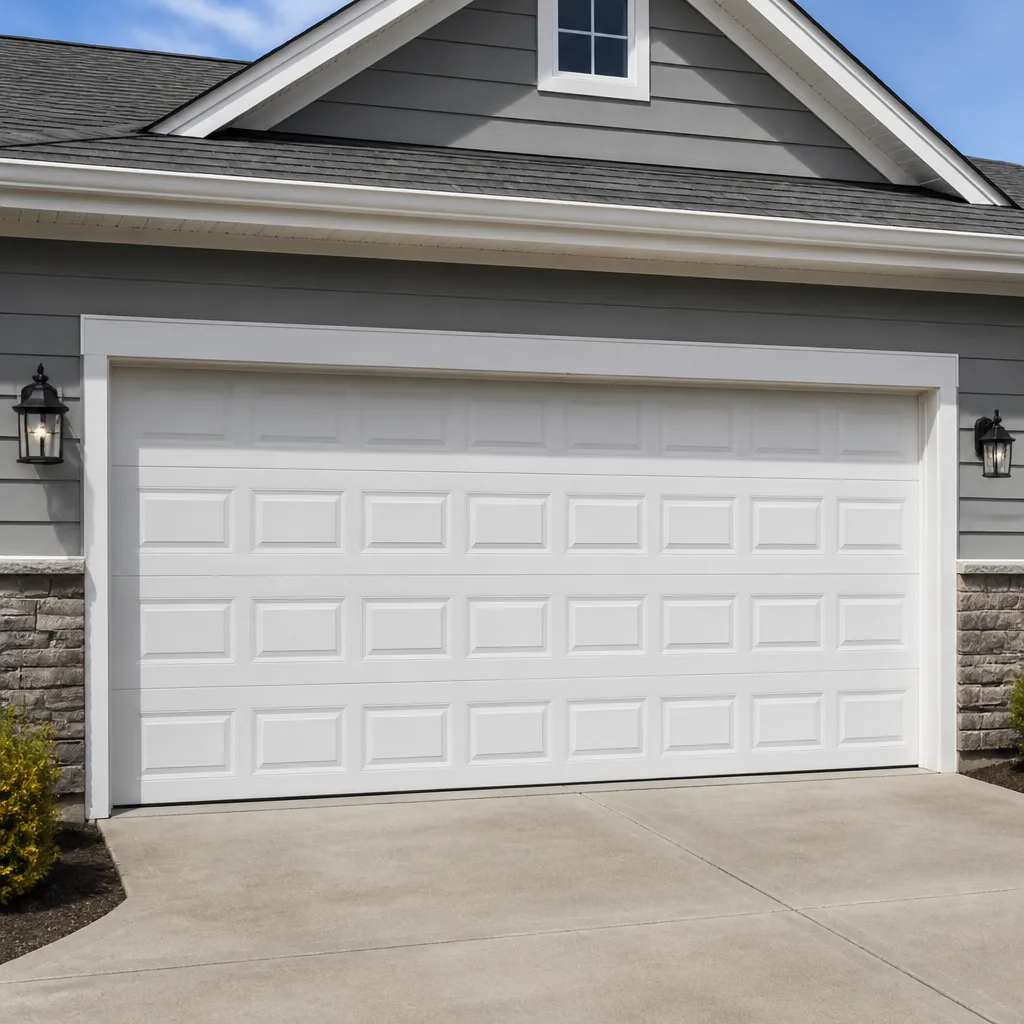 Raised-panel steel
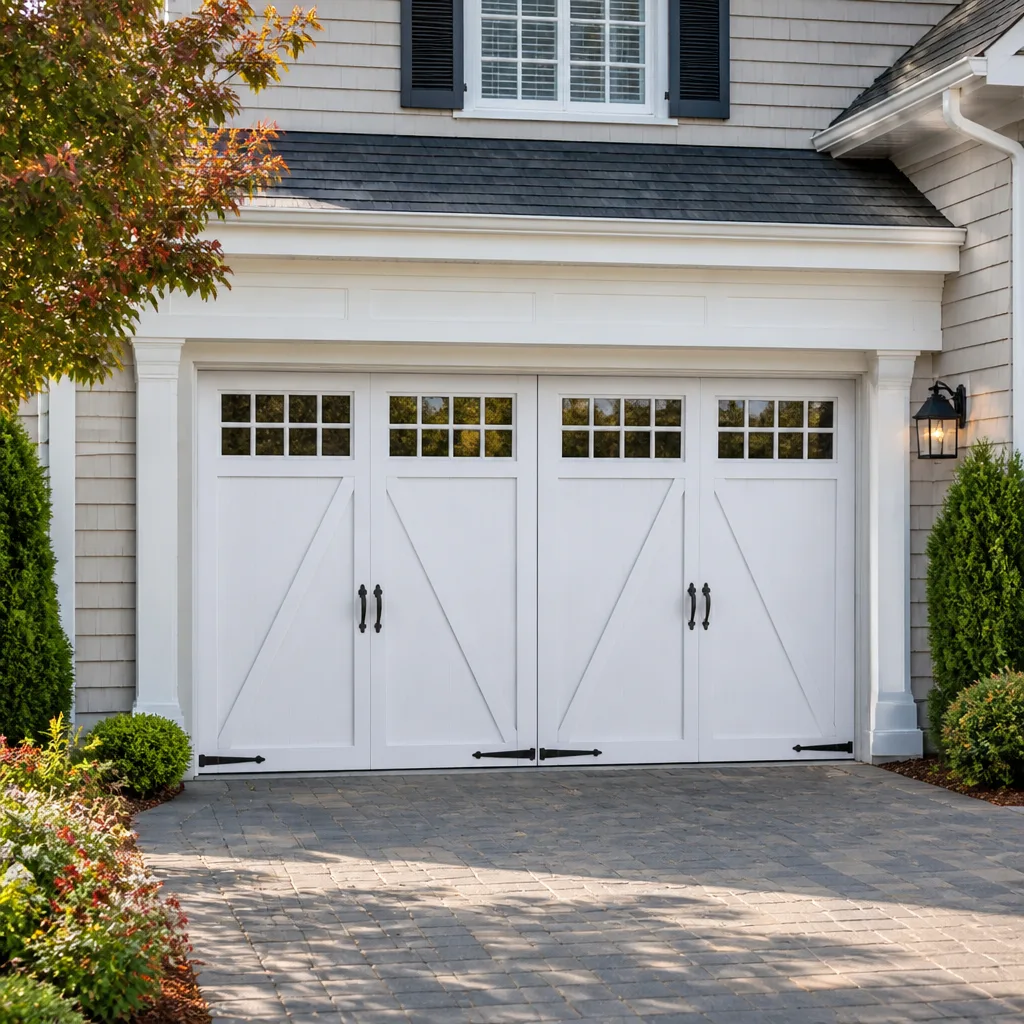 Carriage house
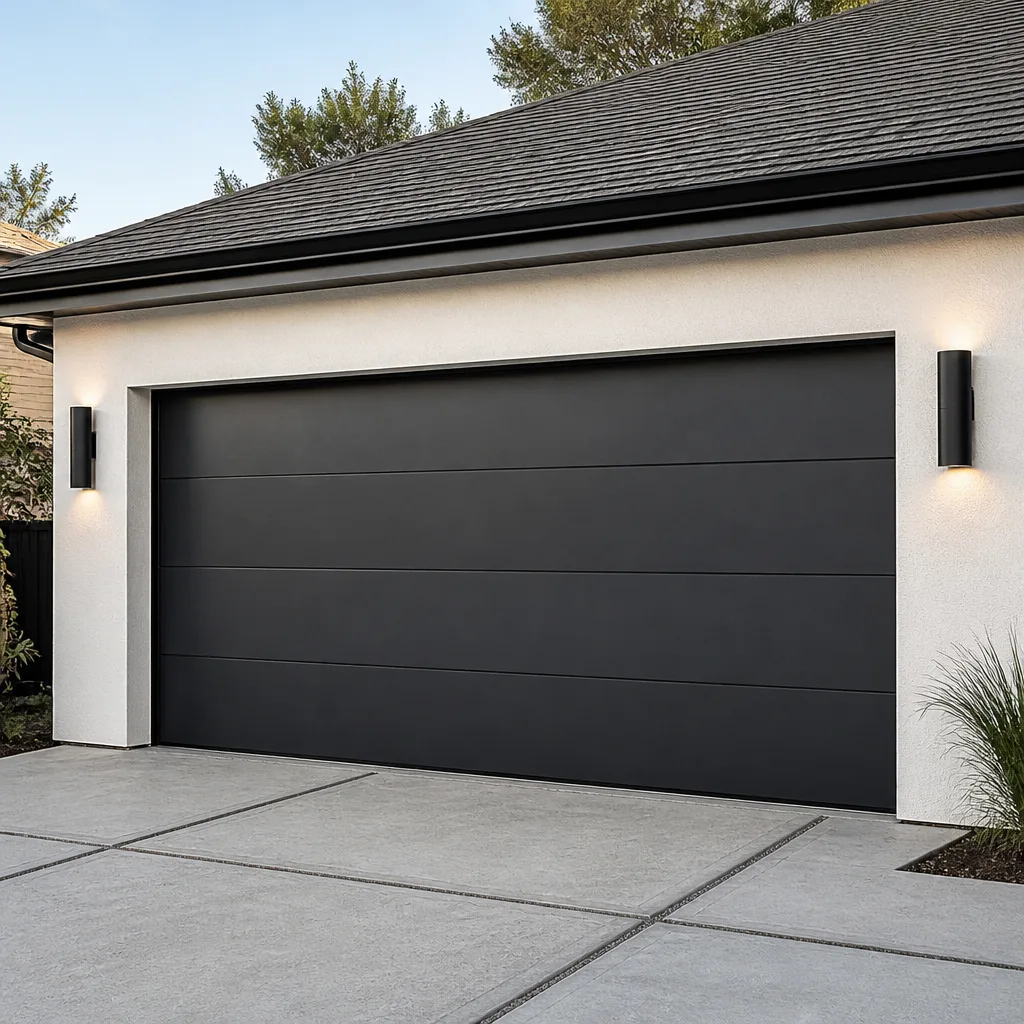 Modern flush
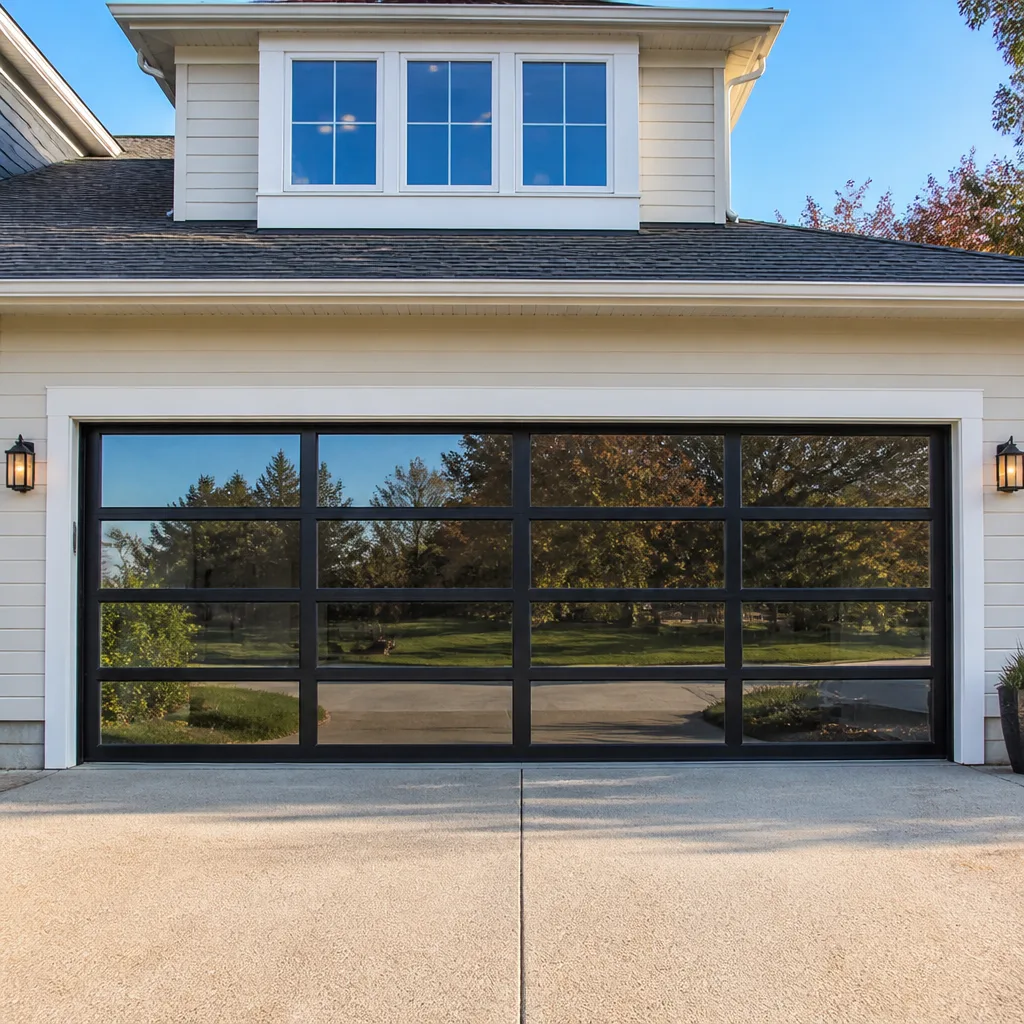 Full-view glass
 LiftMaster openers
 Chamberlain openers
Full 25-point door and opener safety check with every visit - springs, cables, rollers, tracks, and your LiftMaster or Chamberlain opener included
You get a price before we start. It does not change when the pro arrives.
Get your free estimateGarage Door Warning Signs: A Castleton Homeowner’s Reference Guide
A garage door that takes two seconds longer to open than it did six months ago isn’t “just getting old.” It’s telling you something specific about springs, cables, or opener load – and that something usually has a repair cost that’s about to double if you wait. The trouble is that most warning signs sound normal. Grinding, hesitation, a slight drift to one side: none of it screams “emergency” until a component fails completely, often on a morning when you can’t afford it. This guide is written for Castleton homeowners who want to read the clues before the breakdown, understand what each sound and symptom points to at the component level, and know which warnings mean stop using the door today. By the end, you’ll be able to describe exactly what you’re seeing and hearing, which makes the first repair visit diagnostic instead of a second trip.
Quick Answer
Garage door warning signs fall into three groups: sounds (grinding, popping, squealing, rattling), visual tells (frayed cables, worn rollers, a spring gap, separating panels), and behavior (slow operation, uneven travel, reversing without obstruction, remote lag). Most of these point to a specific component – a failing spring, a stretched cable, a worn roller, or an opener under strain – and most give you a reasonable repair window. A few do not. Loud bangs, a door hanging crooked, or a cable that’s snapped mean stop using the door and call a professional.
Styles & brands we work with
- Raised-panel steel
- Carriage house
- Modern flush
- Full-view glass
- LiftMaster openers
- Chamberlain openers
Table of Contents
- What Each Sound Tells You: Grinding, Popping, Squealing, Rattling
- The Visual Warning Signs You Can Spot From the Driveway
- Behavioral Warning Signs: Slow, Uneven, Reversing, Lagging
- The Danger Tier: Warnings That Mean Stop Using the Door
- How to Describe What You’re Seeing So the First Visit Fixes It
- Seasonal and Housing Factors That Affect Castleton Doors
- What Warning-Sign Repairs Typically Cost in Castleton
- The Seasonal Check That Prevents Most Failures
What Each Sound Tells You: Grinding, Popping, Squealing, Rattling
Sound is the most reliable early warning a garage door gives you, and it’s also the one homeowners learn to ignore fastest. That’s because the noises arrive gradually. A door doesn’t go from silent to grinding overnight; it gets a little louder each week until the new noise feels like the normal noise. The fix is to actually listen once a month and match what you hear to the component that makes it. In our experience, four sounds cover almost every failing door we look at, and each one points to a different part of the system.
- Grinding: Metal-on-metal contact, usually from dry or worn rollers and hinges, or a torsion tube that’s lost lubrication. Grinding that gets worse as the door rises is the classic early sign. It’s rarely dangerous yet, but it accelerates wear on everything it touches.
- Popping or snapping: Often a spring issue or a cable jumping its drum. A single loud pop followed by a door that won’t lift usually means a torsion spring has broken. Repeated popping during travel can mean a cable is binding or coming loose – treat that as urgent.
- Squealing: High-pitched and sharp, typically a roller with a dry bearing or a hinge that needs attention. Squealing is usually the most benign of the four, but it’s also the cheapest to fix, so it’s worth addressing before it grinds.
- Rattling: Loose hardware – bolts, brackets, hinges, or the track itself working free from its mounts. Rattling under an opener’s vibration points to fasteners that need tightening before they strip or the track drifts out of alignment.
One distinction matters here: a sound coming from the door itself is a mechanical issue; a sound coming from the opener motor is an opener issue. If the noise is up at the ceiling unit rather than along the track, that’s a different diagnosis and points toward garage door opener repair rather than door hardware. Learning to locate the sound – door, track, or motor – saves a lot of guesswork.
The Visual Warning Signs You Can Spot From the Driveway
You don’t need training to spot the visual warnings, but you do need to know what to look for. These four checks take under a minute and catch the failures that sounds don’t always announce. Do them with the door closed and the opener disengaged, looking rather than touching.
- Cable fraying. Look at the cables running down each side of the door. A healthy cable is a smooth, tight coil of wire. Fraying shows as broken strands sticking out like a brush, or a cable that’s visibly kinked. A frayed cable is a stop-using-the-door warning – if it snaps under tension, it whips, and that’s a serious injury risk.
- Roller wear. The rollers sit on stems along the track. A worn roller is loose, wobbly, or has a flat spot; a healthy one is firm and round. Worn rollers cause the door to drag and make the grinding sound from the section above.
- Spring gap. Torsion springs run along a shaft above the door; extension springs run along the sides. On a torsion spring, a visible gap in the coil means it has broken and the door is now held by whatever’s left. Never try to close a door on a broken spring – the weight is no longer managed and the door can come down hard.
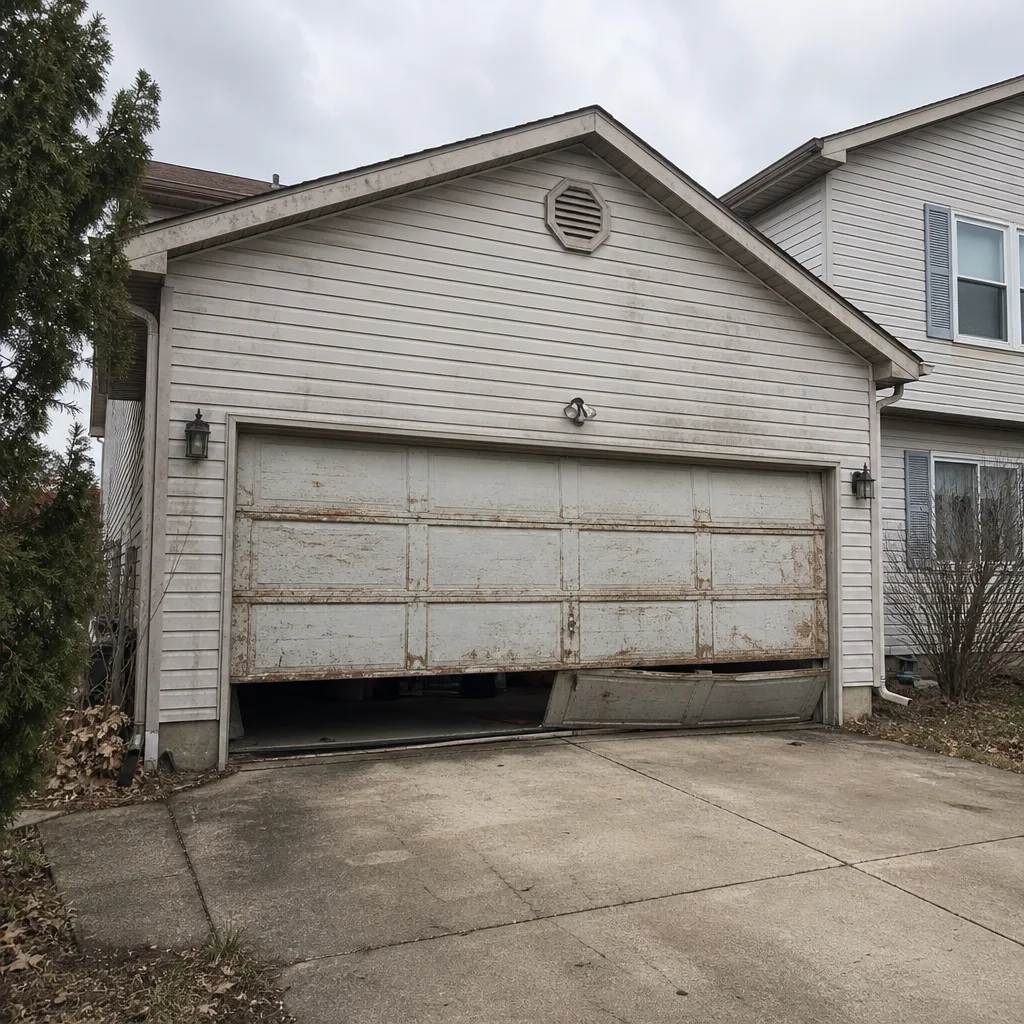
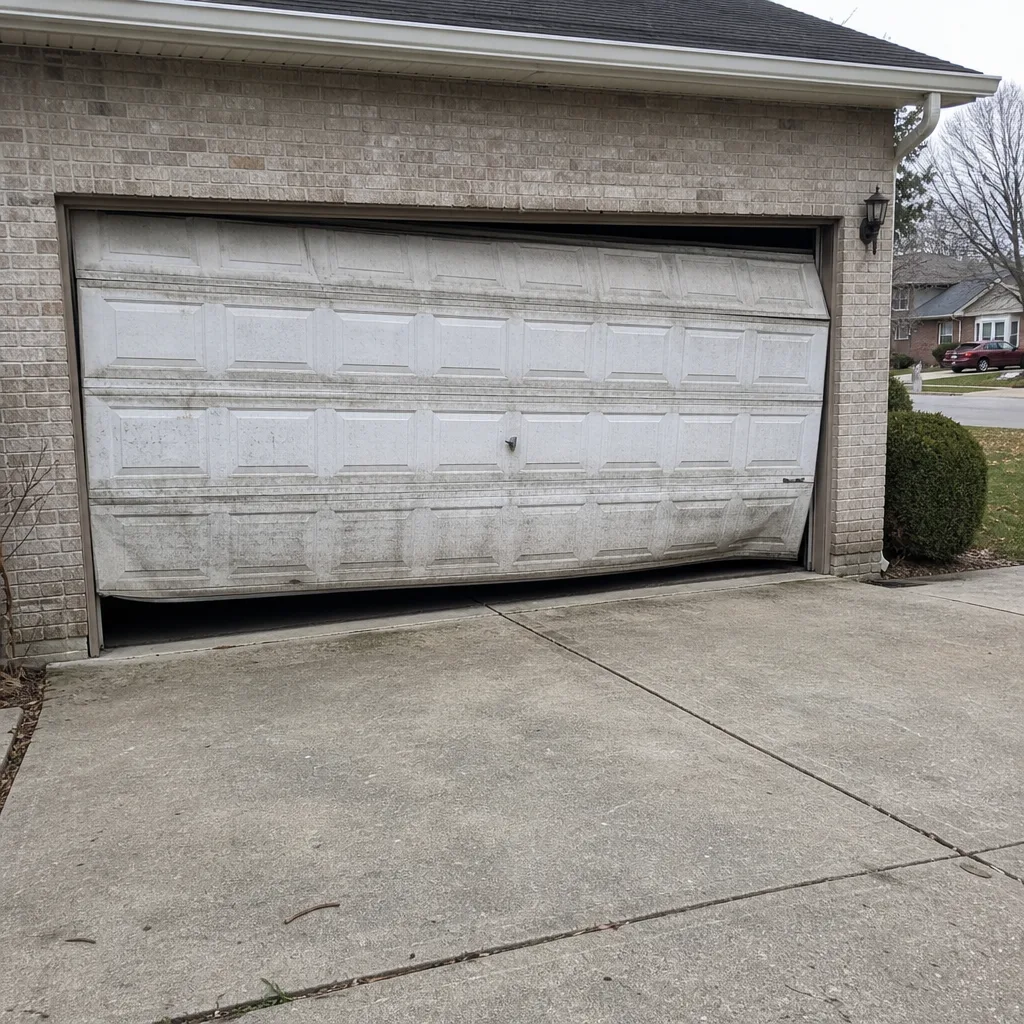
- Panel separation. Stand back and look at the door as a whole. Gaps between panels, panels that look twisted, or a door that sits visibly crooked in the frame all point to a bent track or a structural problem. A crooked door strains every other component until it’s corrected.
These are also the checks a technician runs first, so doing them yourself puts you two steps ahead when you call. When the panels themselves are the problem – dented, separated, or beyond straightening – the conversation shifts toward garage door installation rather than repair, and that’s worth knowing before anyone quotes you.
Behavioral Warning Signs: Slow, Uneven, Reversing, Lagging
Behavior is the warning category homeowners rationalize most. A door that hesitates, drifts, or reverses “sometimes” gets blamed on the cold, the remote, or bad luck. But behavior is where the expensive failures announce themselves early, because these signs track the load on the whole system. When a door behaves differently than it did six months ago, the change is data – and the question is what changed underneath it.
- Slow operation. A door that’s gotten noticeably slower to open or close is usually fighting extra load: a spring that’s lost tension, a track out of alignment, or an opener working harder than it should. Slowing is the earliest sign of spring fatigue, and it points directly at a spring that’s weakening before it fails.
- Uneven travel. If one side of the door rises faster than the other, or the door racks and tilts as it moves, the tracks are out of plumb or a cable tension is off. Uneven travel grinds the rollers and stresses the panels, and it will not correct itself.
- Reversing without obstruction. The door should reverse when it meets an object or resistance. Reversing when nothing’s in the way means the safety sensors or the opener’s force setting need attention – and a door that reverses unexpectedly can trap someone underneath. This is an opener diagnosis, and it’s one a trained eye sorts out quickly.
- Remote lag. A remote that takes a second or two longer to respond, or responds only when you’re close, points to a weakening battery, antenna position, or a signal board in the opener. Lag on a LiftMaster or Chamberlain unit often traces to the logic board; on a Genie, it’s frequently the wall control or a battery. It’s annoying, not dangerous, but it’s a clear early signal.
The pattern to watch: any behavioral change that’s worsening. A single slow cycle is nothing. A door that gets slower each week is telling you the springs or the opener are losing their margin, and that margin is exactly what keeps the door from dropping.
The Danger Tier: Warnings That Mean Stop Using the Door
Not all warning signs are equal. Most give you a reasonable window – days or even a few weeks – to schedule a repair. A handful mean stop using the door immediately, because the next cycle could cause injury or damage. This is the safety tier, and it deserves to be memorized rather than looked up.
Stop using the door and call a professional if you notice any of these:
- A broken spring. A gap in the torsion coil or a visibly broken extension spring means the door’s weight is no longer supported. Never try to operate or manually lift it – the door can come down hard.
- A frayed or snapped cable. Cables are under extreme tension. A damaged cable can whip when it fails. Don’t touch it, don’t try to re-spool it, and keep the door closed.
- A door that’s hanging crooked or off its track. A door that’s come partly out of its track can drop without warning. Don’t force it, and don’t run the opener.
- A loud bang from the overhead area. That sound is usually a torsion spring letting go. The door won’t lift under its own power after that, and trying to force it strains the opener and the cables.
High-tension springs and cables are the most dangerous parts of a residential garage door, and no homeowner should try to adjust or replace them. A trained professional has the tools, the technique, and the respect for the stored energy involved. When we handle spring work, the door is controlled and tested before it’s handed back – and that’s the whole point of calling a specialist for the high-stakes jobs. For the parts we source and supply, we sell genuine components so the replacement matches the door. If your door has hit the danger tier, the conversation is a garage door repair with the door left alone until it’s addressed.
How to Describe What You’re Seeing So the First Visit Fixes It
The single biggest reason a repair takes two visits is a description that leaves the technician guessing. “It’s making a weird noise” tells us almost nothing; “it’s a grinding from the left track that gets louder as the door rises” tells us where to look before we arrive. If the first visit is diagnostic instead of a second trip, you save time and often money. Here’s a short template you can fill in before you call.
- Name the sound and where it comes from. Door, track, or motor. Add whether it happens going up, going down, or both.
- Describe the door’s behavior. Slow, uneven, reversing, stuck, or remote lag – and whether it’s getting worse.
- Note what you can see. Frayed cable, gap in the spring, wobbly roller, crooked panel, oil spots on the track.
- Give the door’s make and the opener’s brand and model. Look for a label on the opener housing and one inside the door frame. A LiftMaster and a Genie diagnose differently; knowing the model up front means we bring the right parts.
- Say how old the door and opener are, roughly. You don’t need the exact year – “the door’s been here a while, the opener’s newer” is enough to set expectations.
- Mention anything that changed first. The noise or behavior usually started after something – a cold snap, a power surge, a heavy bump. That first change is a clue.
The technician’s brand familiarity matters here too. A specialist understands how the electronics behave across the platforms found in Castleton homes, which means a model-specific diagnosis rather than a generic approximation. We’re set up to work on your brand, and the more precisely you describe the symptom, the faster we get to the cause.
Seasonal and Housing Factors That Affect Castleton Doors
Castleton sits in central Indiana, where the seasons do real work on garage doors. The cold winter swings and the humid summers put doors through a wide temperature range, and the wood, metal, and lubricants in a garage door respond to that range by expanding, contracting, and drying out. A door that’s quiet in June can develop a squeal in January without anything actually breaking. That’s why the seasonal cycle matters when you’re reading warning signs in Castleton: some noise is a real fault, and some is the door reacting to the weather.
Winter is when springs and lubrication matter most. Cold stiffens the grease in rollers and hinges, so the grinding you notice in a cold snap may be a temporary stiffness – or it may be the first sign that a worn roller has gone dry and is now grinding metal. The right response is the same either way: investigate before it becomes a repair. Summer brings the opposite problem. Heat and humidity swell wooden doors and panels, and a door that fit well in spring can start binding in July. If a Castleton door starts racking or dragging in hot weather, that’s often a track alignment or panel issue, not a spring.
Housing plays a part too. The Castleton area has a real mix of older homes where the original doors have decades on them and newer construction where the door is factory-installed and younger. Older doors are more likely to show cable fraying, spring fatigue, and worn rollers; newer doors are more likely to show panel separation and opener problems. Knowing which category your door falls into helps you weight what you’re seeing. The bottom line for Castleton homeowners: treat seasonal noise as a prompt to check, not a given to accept.
What Warning-Sign Repairs Typically Cost in Castleton
Catching a warning sign early is almost always cheaper than waiting for the failure, and the reason is simple: early repairs are usually single components, while late failures take out two or three parts at once. The table below shows typical Castleton repair ranges for the most common warning-sign diagnoses. These are estimates for the market – the written quote sets the final price, and it’s quoted and agreed before any work starts.
- Roller and hinge replacement (the grinding sound): typically $90-$200 per door.
- Cable replacement (the frayed cable): typically $160-$300.
- One torsion spring replacement (the popping or gap): typically $180-$340 for a single spring. A matched pair is usually replaced together, so a pair runs about twice that.
- Track realignment (the uneven travel): typically $120-$260.
- Opener logic board or gear repair (the lag, or a reversing door): typically $150-$350, depending on the unit.
- Panel replacement (the separation): typically $200-$500 per panel, depending on the door series.
Two things drive the range: the brand and model of the component, and whether a single part or a pair needs swapping. A Clopay panel isn’t priced like an Amarr panel, and an opener board for one platform isn’t priced like another. The point of catching the warning early is that it keeps you at the low end of these ranges – a single roller set, not a roller set plus the track it ruined. For a full picture of what Castleton repair visits cost, the Garage Door Repair Castleton page breaks it down by job type.
The Seasonal Check That Prevents Most Failures
Most warning signs give you a window; a little prevention closes that window before it opens. A short seasonal check, done twice a year, catches the wear that turns into a repair. Do it with the door closed and the opener disengaged, and look rather than disassemble anything.
- Listen on the first cold day and the first hot day. Note any new sound and match it to the sound section above. If it’s new and it’s worsening, act.
- Lubricate the moving parts – rollers, hinges, and the torsion tube – with a garage-door-safe lubricant. Dry bearings are the origin of most grinding.
- Check the cables and springs visually for fraying, kinks, or gaps. Don’t touch a tensioned cable or spring; just look.
- Watch the door travel for unevenness or racking. A door that’s running true isn’t straining anything.
- Test the safety reversal by placing an object in the door’s path and confirming it reverses. If it doesn’t, that’s an opener issue to fix.
- Listen for the opener motor laboring. If it sounds like it’s working harder than it did last season, get it looked at before it fails.
That last point connects to the opener. Most Castleton homes have a Chamberlain, LiftMaster, Genie, or Craftsman unit, and each has its own failure patterns. A seasonal listen catches the difference between a normal motor and one under strain. If your opener is the weak link in the system, a garage door opener repair is often the cheapest fix in the whole set.
Common Mistakes to Avoid
- Waiting for the door to fail completely before calling. A single failing component is a contained repair; the same failure left alone often takes neighboring parts with it. Calling at the first warning is the cheaper move every time.
- Trying to adjust a spring or cable yourself. These parts store enormous energy under tension. A homeowner without the right tools and training risks serious injury – leave this to a trained professional.
- Ignoring a door that reverses for no reason. A door that reverses without obstruction can trap a person or a pet. It’s an opener or sensor problem, and it’s worth fixing right away.
- Assuming a grinding sound is normal in cold weather. Cold stiffens grease, yes, but grinding that persists once the door’s been cycling is wear, and wear doesn’t reverse with the season.
- Calling a generalist for a brand-specific opener problem. A lot of common opener failures need model-specific knowledge. If the unit is a LiftMaster, Chamberlain, Genie, or Craftsman and the tech hasn’t seen that board before, the diagnosis gets slower.
- Letting a crooked door run. A door that’s out of its track is a safety issue, not a cosmetic one. Force it and you risk a panel coming down or the opener failing along with it.
- Not noting what changed first. The symptom that started after a cold snap, a bump, or a power surge is a clue. Mentioning it saves diagnostic time on the first visit.
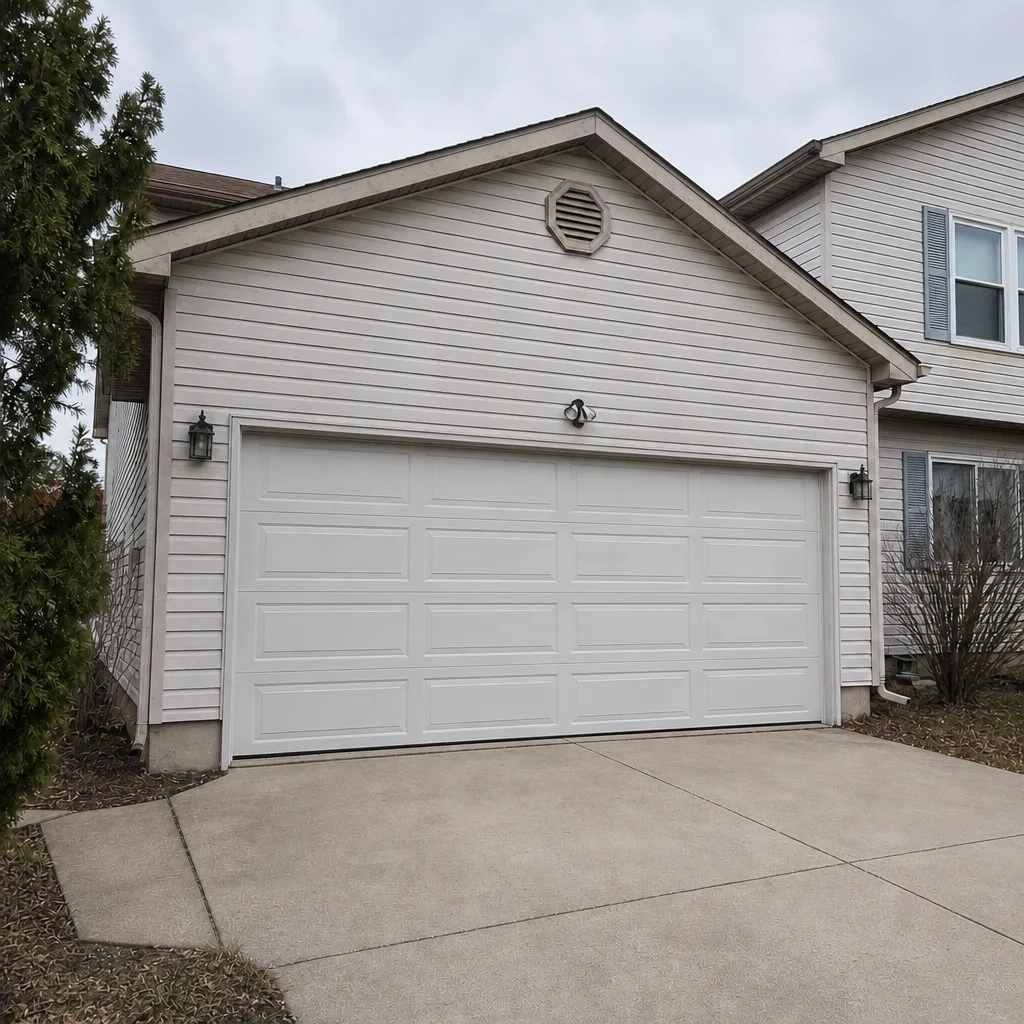
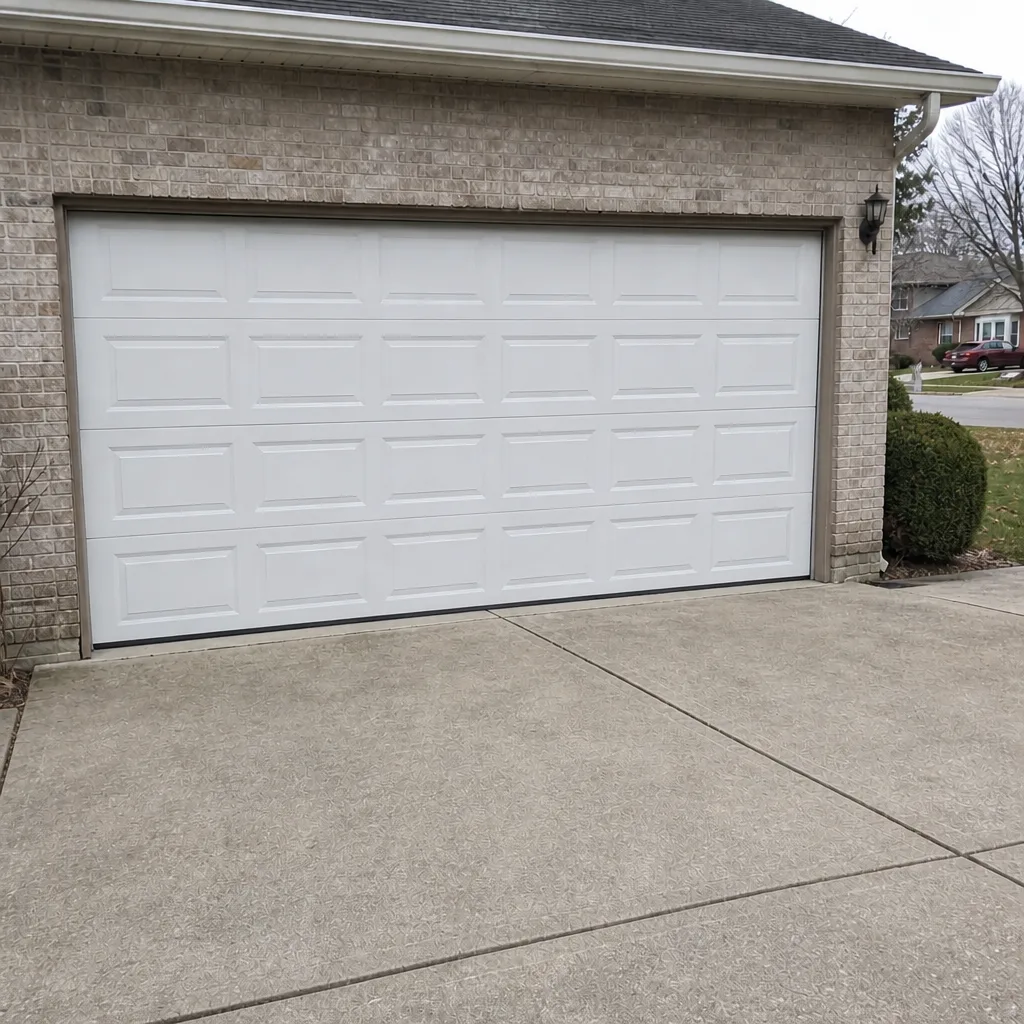
See the difference
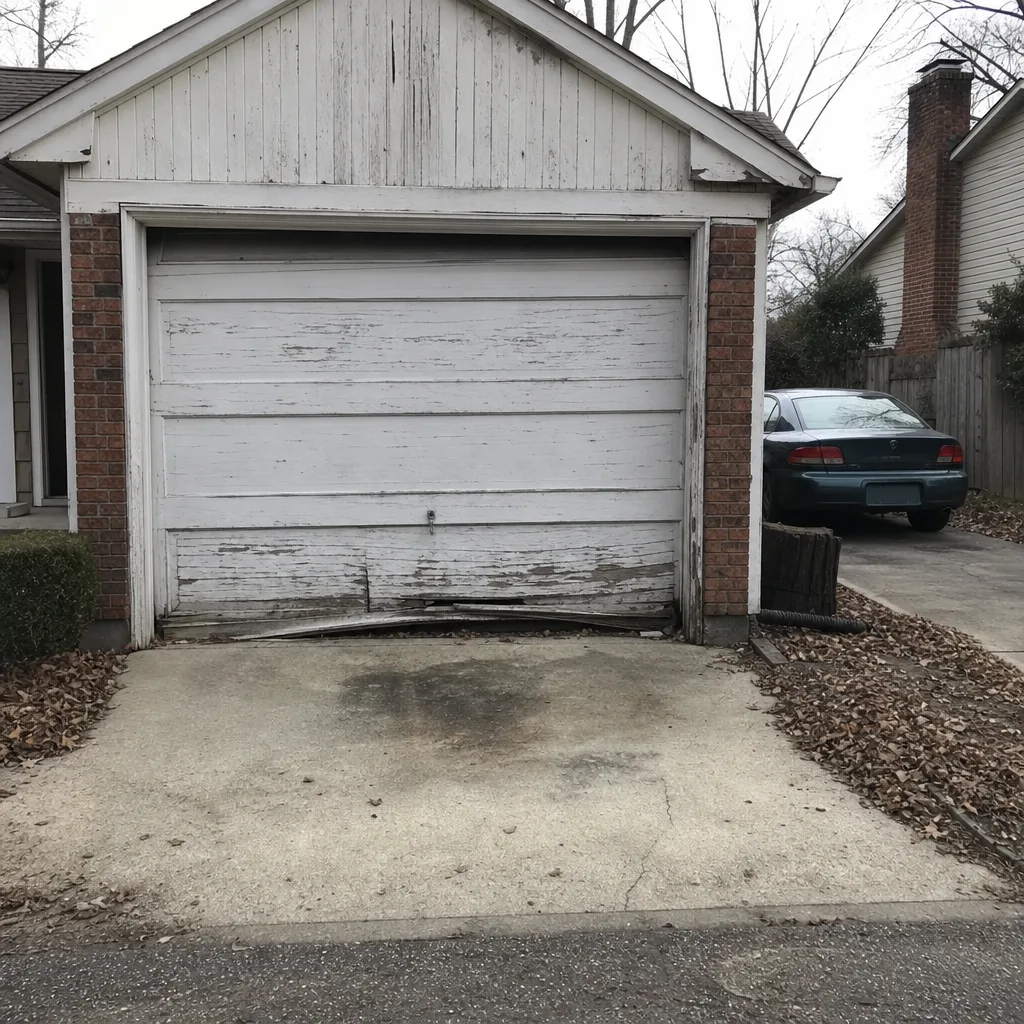 Before
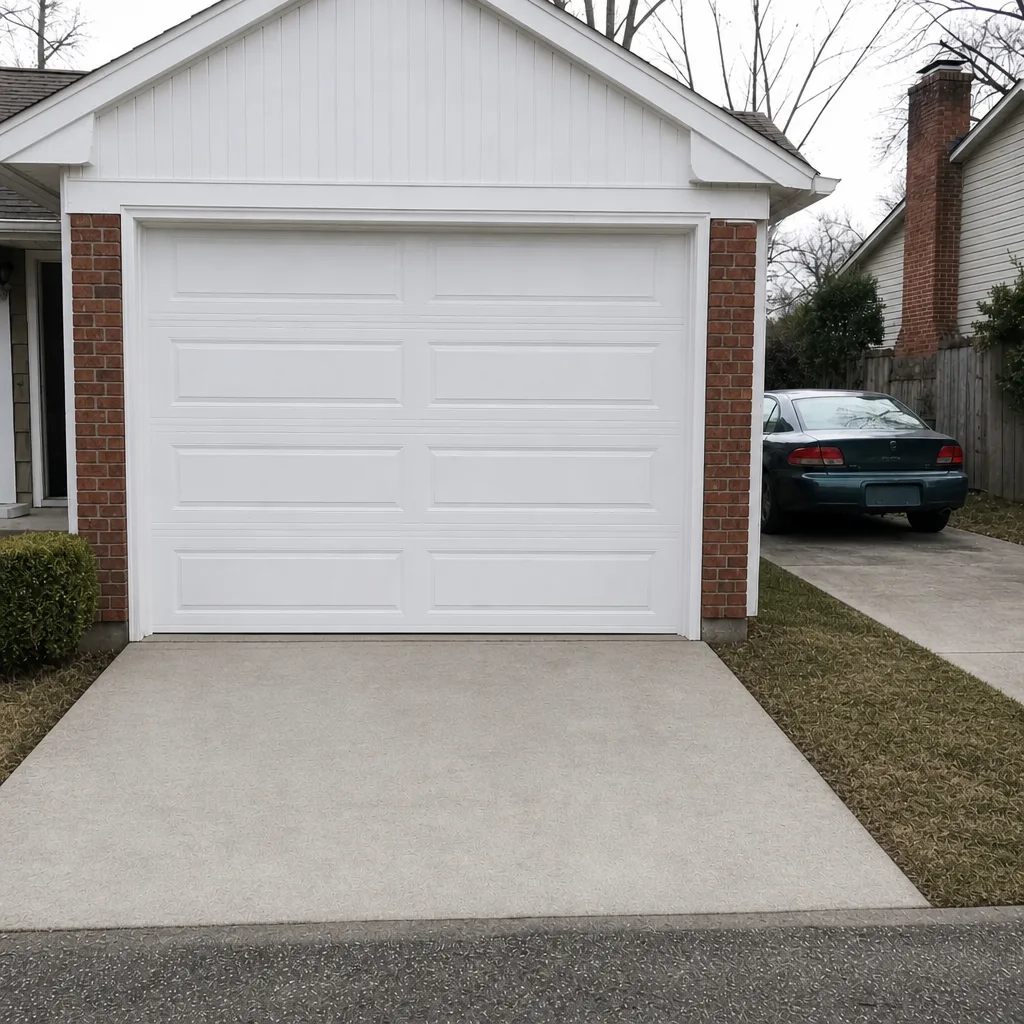 After
 Before
 After
 Before
 After
When to Call a Professional
Call a professional the moment you see a frayed cable, a gap in a spring, a door hanging crooked, or a door that slams down. Those are danger-tier warnings and no homeowner should touch them. For the rest – grinding, squealing, a door that’s slowed down, an opener that lags, or a panel that’s starting to separate – you have a reasonable window, and the smart move is to book a repair before it grows into two. If you’re not sure which category a symptom falls into, describe it and ask. We work on the leading brands, we supply genuine parts so the replacement matches the door, and our technicians have up to 12 years of experience. Garage Door Repair Castleton offers free estimates in Castleton – call (844) 924-2080 to describe what you’re seeing and get a clear next step.
Frequently Asked Questions
A door that’s grown noticeably slower or louder than it was months ago is the first warning sign, and it usually points to spring fatigue or worn rollers. Slowing and quiet grinding are the earliest symptoms; both are cheap to fix early and expensive to ignore.
Typical Castleton spring repair runs $180-$340 for a single spring, and a matched pair is usually replaced together at roughly twice that. The written quote sets the final price, and it’s agreed before any work starts. Call (844) 924-2080 for an exact quote – estimates are free.
No. A torsion or extension spring stores huge energy under tension, and a mistake can cause serious injury. This is one of the most safety-critical parts of a garage door, so it needs a trained professional with the right tools.
A door that reverses without obstruction is usually a safety-sensor or opener force-setting issue, not a mechanical fault. It’s an opener diagnosis rather than a door repair, and it should be fixed because an unexpectedly reversing door can trap someone underneath.
Name the sound (grinding, popping, squealing, or rattling) and where it’s coming from – the door, the track, or the opener motor. Add when it happens (going up, going down, or both), the door’s make, and the opener’s brand and model. A precise symptom saves a diagnostic trip.
Yes – we’re certified to work on eight of the most widely installed garage door and opener brands, including LiftMaster, Chamberlain, Genie, and Craftsman. That brand familiarity means we diagnose the actual make and model in your driveway instead of guessing. Call (844) 924-2080 with the model and we’ll get you an estimate.
The Bottom Line
Garage doors almost never fail without warning. The problem is that the warnings sound normal until they don’t. Learn the four sounds, run the four visual checks, watch the behavior for changes, and memorize the danger tier – a broken spring, a frayed cable, a crooked door, or a loud bang means stop and call. Everything else gives you a window, and the smart move is to use it before a single component failure becomes two. Our technicians have up to 12 years of experience, we work on the leading brands, and we supply genuine parts. If you’re reading this because something in Castleton has started to sound off, call (844) 924-2080 for a free estimate – the description you give is the first step to a fix that holds.
Written by the team at Garage Door Repair Castleton.