Last updated November 20, 2026
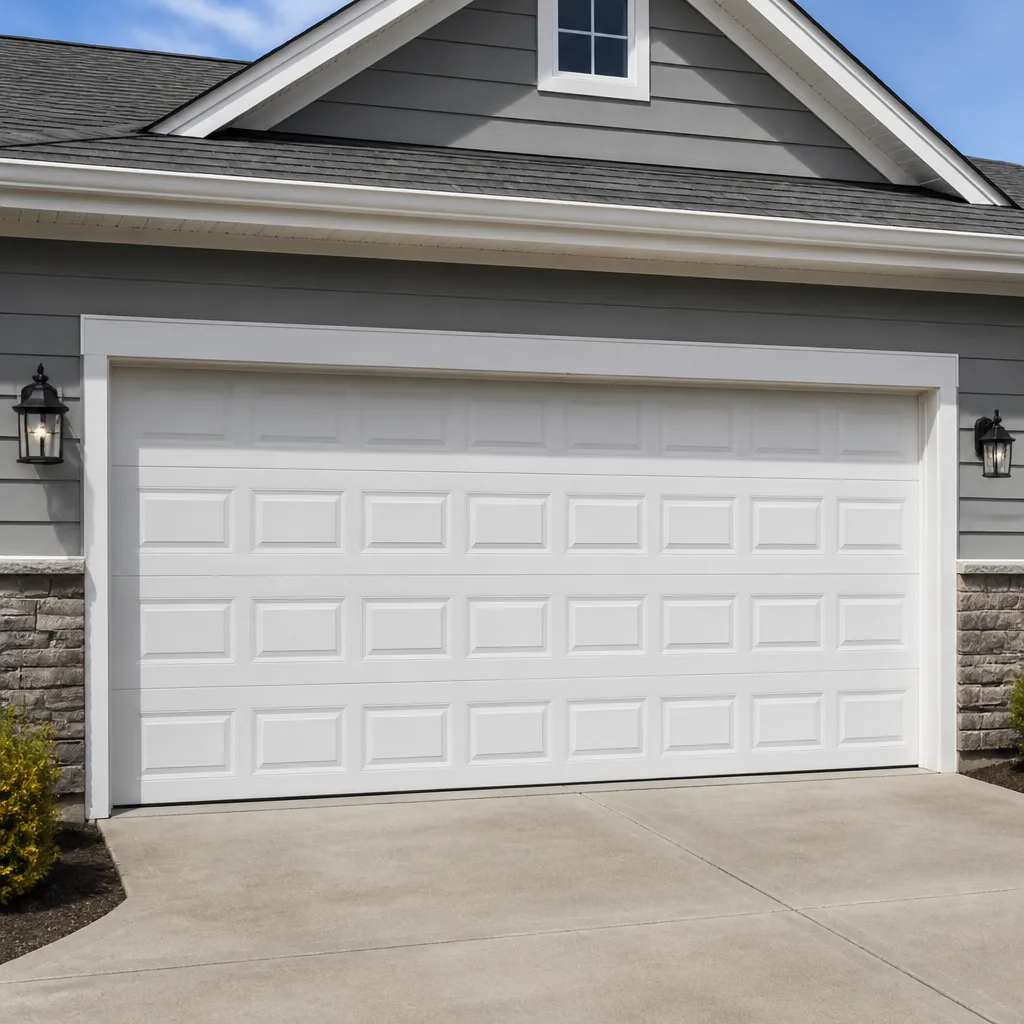 Raised-panel steel
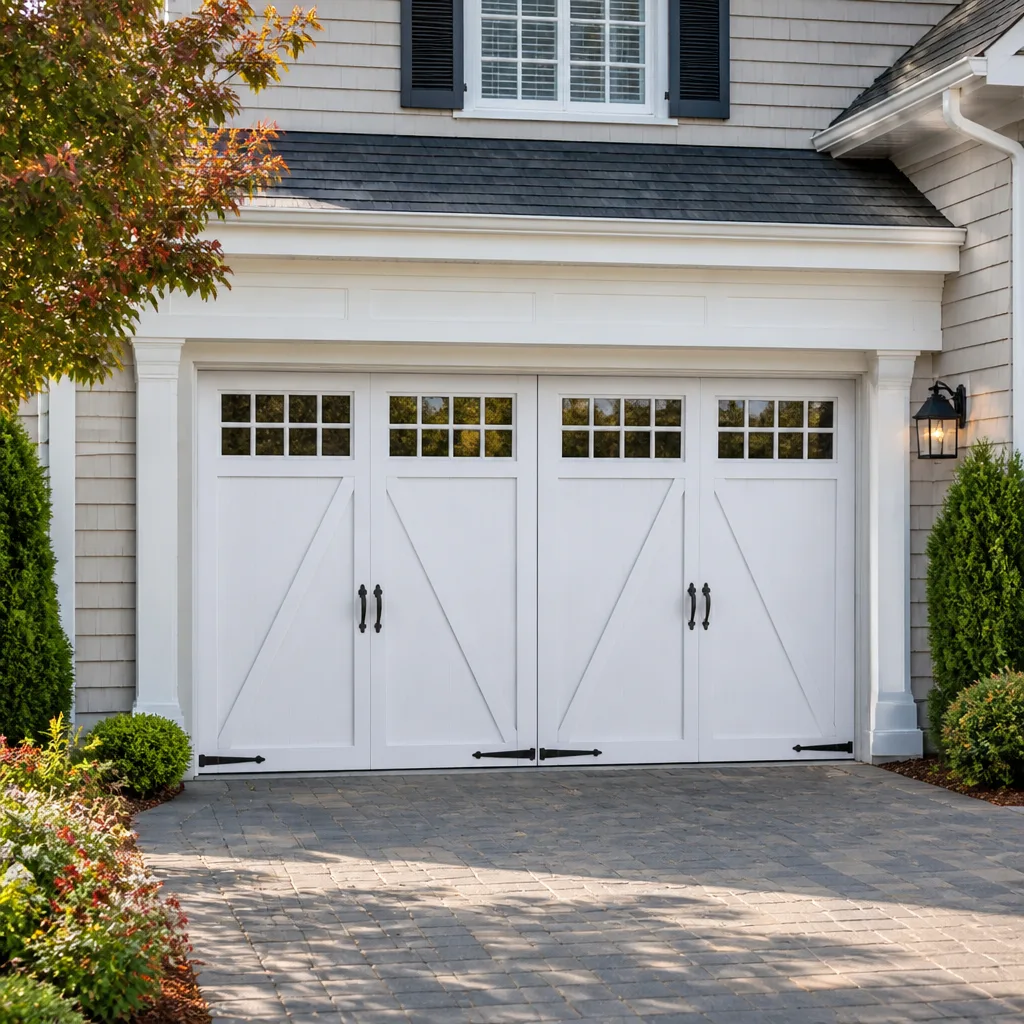 Carriage house
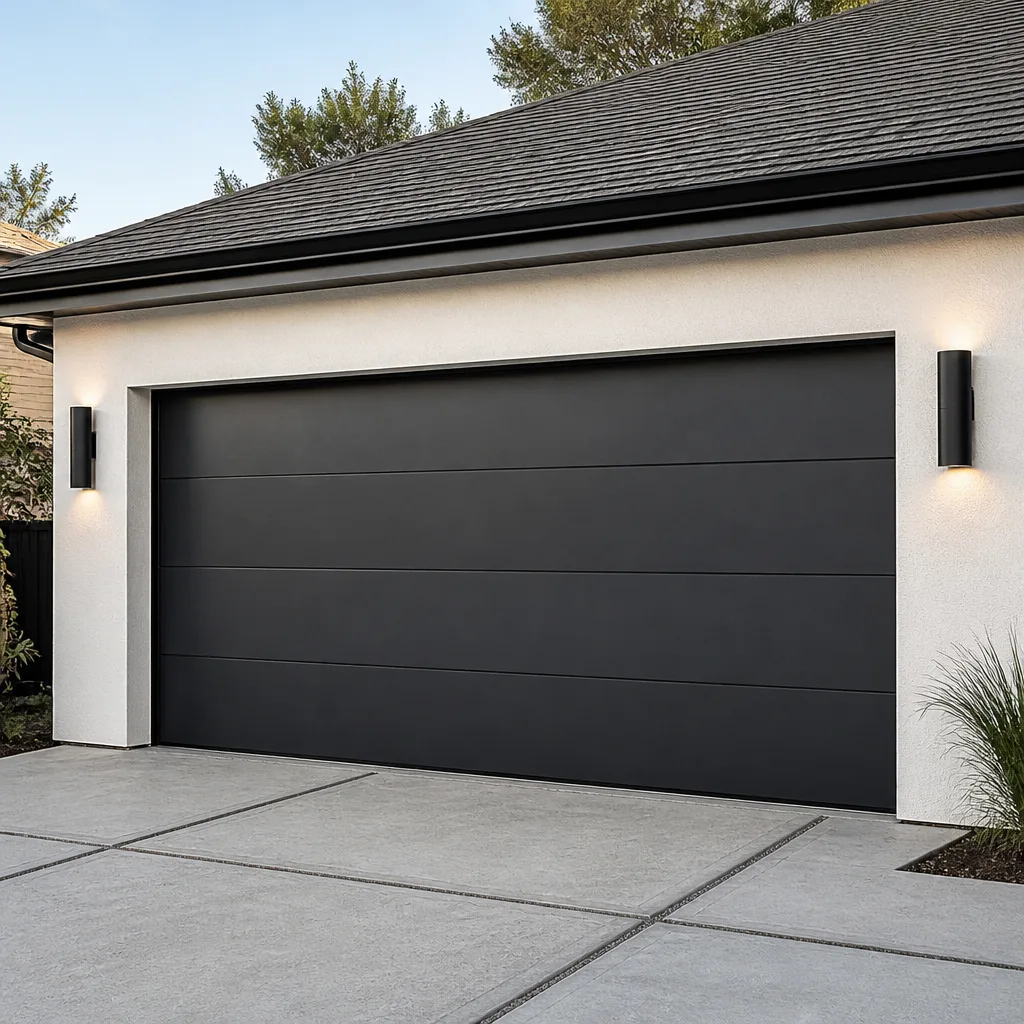 Modern flush
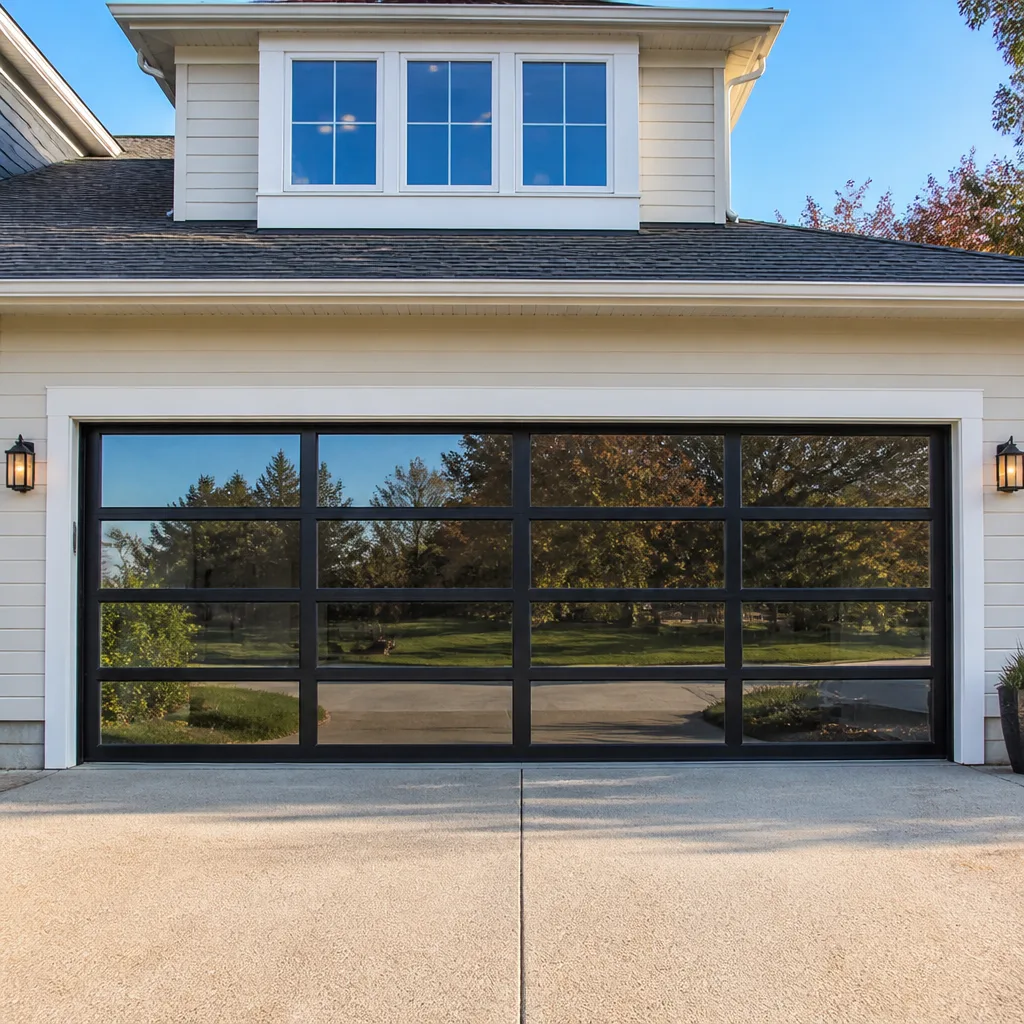 Full-view glass
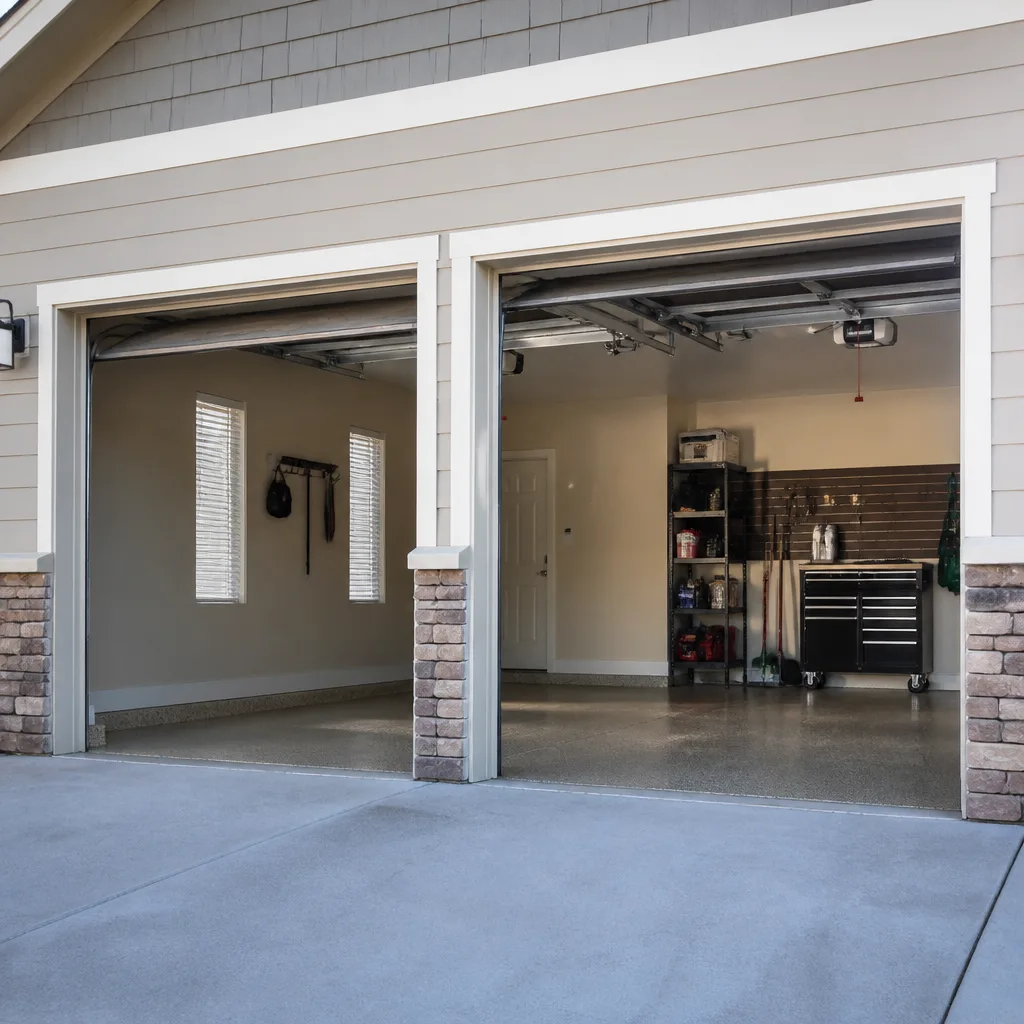 LiftMaster openers
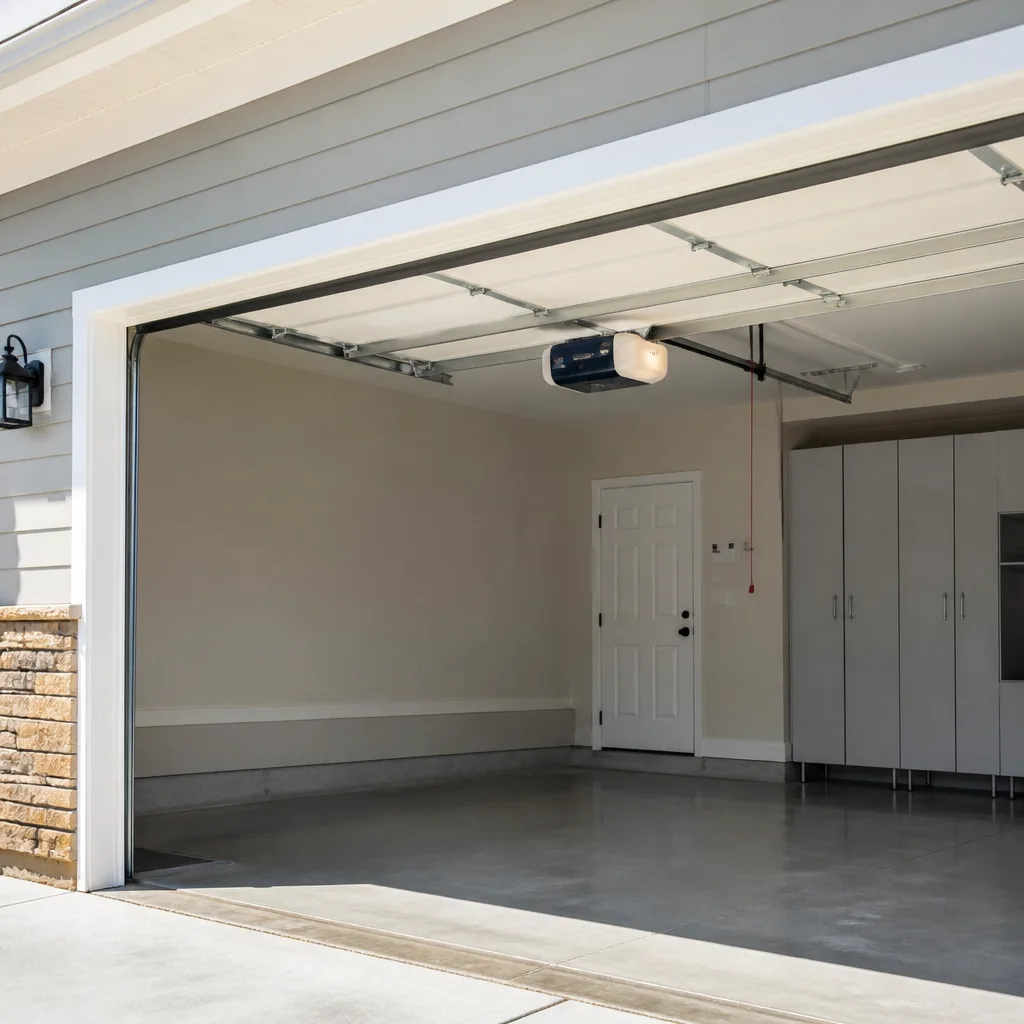 Chamberlain openers
Full 25-point door and opener safety check with every visit - springs, cables, rollers, tracks, and your LiftMaster or Chamberlain opener included
You get a price before we start. It does not change when the pro arrives.
Get your free estimateSeasonal Garage Door Care for Castleton: Year-Round Homeowner’s Guide
The busiest stretch of the year for garage door calls in central Indiana is the week the season’s first hard freeze settles in. Doors that worked fine in October suddenly groan, stall halfway up, or refuse to close at all, and nearly every one of those breakdowns traces back to a fall checklist nobody ran. A garage door doesn’t wear down evenly over the year. Each season in Castleton stresses a different part of the system, and the failure you see in January usually started in October. This guide lays out a 20-minute walkthrough for each season, in the order that actually matters, so you catch the cheap problem before it turns into the expensive one. We’ll also show you the one task per season most homeowners skip and why that shortcut costs them later.
Quick Answer
Seasonal garage door care in Castleton means addressing a different failure mode each season: prep and lubrication before the first freeze in fall, tension and seal monitoring through winter’s sub-freezing temps, seam and cable inspection after freeze-thaw cycles in spring, and humidity and swelling checks in summer. Sequence matters more than any single task. Done in the right order and at the right time, a short walkthrough each season prevents most cold-weather breakdowns far more cheaply than reacting to whatever fails first.
Styles & brands we work with
- Raised-panel steel
- Carriage house
- Modern flush
- Full-view glass
- LiftMaster openers
- Chamberlain openers
Table of Contents
- Why Seasonal Care Matters More in Castleton
- Fall: The Pre-Winter Prep Sequence (and Why Order Counts)
- Winter: How Sub-Freezing Cold Hits Springs, Grease and Seals
- Spring: Post-Winter Inspection Priorities
- Summer: Heat and Humidity on Steel vs. Wood-Composite Doors
- The One Task Each Season Homeowners Skip
- Parts, Brands and What to Keep on Hand
- Common Mistakes to Avoid
- When to Call a Professional
- Frequently Asked Questions
Why Seasonal Care Matters More in Castleton
Castleton sits in central Indiana, which means homeowners here deal with four distinct swings in temperature and humidity rather than one dominant condition. That range is exactly what stresses a garage door. The same door faces humid summer air that swells wood and softens lubricant, then dry winter air that contracts everything back down. Between the two, concrete slabs move slightly with repeated freeze-thaw, and that movement shows up at the gap under the bottom seal.
A garage door is a system, not a slab on tracks. The springs, cables, rollers, hinges, opener and bottom seal all work together under constant tension, and each one responds differently to the change of season. When one component drifts out of adjustment, the others take up the slack, which is why a single ignored problem tends to cascade.
What many homeowners don’t realize is that the seasons don’t just wear the door evenly across the calendar. Each one targets a specific failure mode:
- Fall is the window to lubricate and tighten before cold locks everything in place.
- Winter attacks spring tension, makes grease thick, and stiffens bottom seals so they lift off the concrete.
- Spring reveals what the freeze-thaw cycle did to seams, gaps and cable tension over the winter.
- Summer tests how your door material handles heat and moisture, and steel and wood-composite doors age very differently.
The point of a seasonal rhythm isn’t busywork. It’s catching the right problem at the right time, when the fix is small. A stiff roller caught in October is a few minutes of lubrication. The same roller run all winter can wear the opener’s drive gear and add a much bigger repair to the list by spring. Our technicians have up to 12 years of experience, and the patterns are consistent enough that we can usually tell what season a door skipped just by looking at what’s worn. If you’d rather have a trained eye run the check, our Garage Door Repair Castleton page is the place to start.
Fall: The Pre-Winter Prep Sequence (and Why Order Counts)
Fall is the single most important season for garage door care in Castleton, and the order you do things in matters as much as the tasks themselves. The reason is simple: once temperatures drop below freezing, lubricant thickens and any adjustment you meant to make becomes harder to perform and more likely to fail. Prep in the wrong order leaves a loose bolt inside a sealed-down mechanism, or fresh grease on a hinge that still has grit in it.
Here’s the pre-winter sequence we recommend, in order, before the first hard freeze:
- Clean the tracks and rollers first. Wipe down the vertical and horizontal tracks to remove grit and debris. Lubricating before you clean just traps the grit in the grease and accelerates wear.
- Inspect the bottom seal and weatherstripping second. Look for cracks, flattening or a gap where the rubber meets the concrete. A seal replaced now, while it’s still flexible and easy to work with, saves you a cold draft and a stiff seal later.
- Lubricate rollers, hinges and springs third. Use a proper garage door lubricant, not general-purpose oil or WD-40, which attract dust. Springs and hinges get a light, even coat.
- Check and tighten hardware fourth. Bolts, brackets and hinge screws loosen with vibration over the year. Snug them, but don’t overtighten; a stripped bolt is worse than a loose one.
- Test the balance and the safety reverse last. With the opener disengaged, lift the door halfway by hand. It should stay put with light effort. Then re-engage the opener and test that it reverses when it meets an obstruction.
Why does the balance and safety test belong last? Because every earlier step – clean tracks, fresh lubrication, tightened hardware – changes how the door moves. Testing before you’ve finished those steps can tell you the door is heavy when it’s really just a dirty track. Finish the work, then judge the balance.
The bottom seal is the fall item Castleton homeowners most often forget, and it’s the one that hits hardest in winter. A seal that looks fine in October can harden at the first freeze and stop conforming to the concrete, letting cold air and moisture under the door. Replacing it in fall, before the cold sets in, is far easier than wrestling a stiff seal in January. If your seal, rollers or spring hardware are worn beyond a simple tune-up, we supply the parts directly, so you’re not routed to a big-box store or left waiting on a back-order.
Winter: How Sub-Freezing Cold Hits Springs, Grease and Seals
Winter in Castleton is when the seasonal wear shows up as actual failures, and it almost always touches three things first: spring tension, lubricant viscosity and bottom seal adhesion. Understanding how cold affects each one tells you what to watch for, and why a January breakdown was already brewing in November.
Spring tension. Extension and torsion springs are steel under constant load, and cold makes steel less ductile. A spring that’s already showing its age is more likely to fail in a cold snap than in mild weather. This is the seasonal failure that drives the first-hard-freeze call spike. It’s also the single most dangerous component on the door.
Lubricant viscosity. The grease you applied in October thickens as temperatures drop. Thick grease on rollers and hinges increases the effort the opener must supply, which puts more strain on the motor and drive system. A door that felt fine in fall can feel stiff and slow in January. Lubricating before winter, with the right product, is what keeps that from happening.
Bottom seal adhesion. Rubber and vinyl stiffen in the cold. A bottom seal that conformed to the concrete in October can lift slightly at the first hard freeze, breaking the seal against the floor. That shows up as a cold draft, snow or moisture creeping in, and, if the seal pulls unevenly, a door that doesn’t close flush.
A safety note on winter springs
Torsion springs and the cables that run with them are under extreme tension, and a failed spring or cable can release that tension violently. This is not a part to test, adjust or replace yourself, and the cold makes the risk higher, not lower. If you hear a loud snap from the garage or the door won’t lift, stop operating it and call a trained technician. Spring repair done safely is a specialist’s job for a reason.
Spring: Post-Winter Inspection Priorities
Spring in Castleton is inspection season, because it’s when you can finally see what the winter did. The repeated freeze-thaw cycle is the main culprit: water gets into small gaps, freezes, expands, then thaws, and does it again and again. Over a winter, that cycle opens panel seams, widens the gap between the door and the concrete, and works on cable tension.
These are the post-winter inspection priorities, roughly in order of what to check first:
- Panel seams and door sections. Walk the inside of the door and look for separating seams, rust starting at joints, or sections that no longer sit flush. Freeze-thaw widens any small gap it can find.
- The gap under the bottom seal. Shine a light under the closed door and check for daylight. A gap that opened over winter means the seal needs attention before the spring rains find it.
- Cable tension and condition. Cables should run straight and even on both sides, with no fraying or slack. Uneven tension is a warning sign and a safety concern; leave cable adjustment to a technician.
- Track alignment. Check that the tracks run straight and parallel, with no dents or bends from the winter’s shifting concrete. Misaligned tracks make the door bind.
- Opener performance. Run the door through a full cycle and listen. Grinding, straining or a door that reverses for no reason means the opener is working harder than it should, often because a roller or track is dragging.
Spring is also the smart time to address anything that’s been quietly failing all winter, because the weather is mild and the work is easier to schedule than it is in the middle of a cold snap. If the opener is the piece that’s struggling, our garage door opener repair covers the legacy and smart-home systems alike, from Chamberlain and LiftMaster to Genie and Craftsman platforms. Catching an opener problem in spring, before it’s called on to work overtime in summer heat, saves you from a mid-summer failure.
Summer: Heat and Humidity on Steel vs. Wood-Composite Doors
Summer in Castleton brings the other extreme: heat and humidity, which affect door materials very differently depending on what you have. The two most common categories are steel and wood-composite, and they fail in opposite ways.
Steel doors in summer heat
Steel doors handle humidity well but respond to heat with expansion. A steel panel that’s captured in a frame with no room to move can bow or oil-can in sustained heat, and the light-gauge steel can pop or crease at the seams. Watch for panels that look slightly bowed in the middle of the day and flatten out in the evening; that’s thermal movement. It’s usually harmless, but a panel that stays bowed has likely been pushed past its tolerance, often by a misaligned track or a bad roller.
Wood-composite doors in summer humidity
Wood-composite and wood-look doors are more sensitive to moisture. In humid summer air, composite can swell at the edges and seams, and the finish can lift if moisture gets behind it. Early swelling looks like sections that no longer sit perfectly flush, a bottom edge that’s gone slightly proud, or a finish that’s bubbling at a joint. Caught early, swelling is a matter of resealing the affected area. Left through a humid summer, it can mean replacing a section. Wood-composite also warps if the door is out of balance and the panels carry uneven load, so a summer balance check is worth the few minutes.
The task that ties summer together for both materials is the balance check. Heat affects how freely the door moves, and a door that’s slightly out of balance in mild weather can bind noticeably in the heat. Disengage the opener and lift the door by hand; it should move with steady, even effort. If it feels heavier on one side or won’t hold its position, the springs are out of adjustment. This is where door brand and model actually matter: a Raynor or Clopay door has specific spring and track tolerances, and a technician who knows the make and model diagnoses the real issue instead of guessing. Whatever the season, treating your specific door correctly is the difference between a tune-up and a re-do.
The One Task Each Season Homeowners Skip
Every season has a task that most homeowners skip, and each one leads directly to the most expensive off-season repair. Here’s the short version, then the detail:
- Fall: replacing the bottom seal before the freeze.
- Winter: watching for a door that strains or reverses.
- Spring: checking the gap under the closed door.
- Summer: the balance check.
Fall’s skipped task – the bottom seal. Homeowners clean and lubricate, then call it done. But the seal is what blocks cold air and moisture all winter. A worn seal run through a freeze hardens, loses its grip on the concrete, and lets moisture under the door, which then feeds the freeze-thaw damage you find in spring. Replacing a seal in fall is a small job; dealing with the consequences in spring is not.
Winter’s skipped task – listening to the door. People stop using the garage when it’s cold, so they don’t hear the strain. A door that grinds, hesitates, or reverses for no reason in winter is telling you something is dragging or the spring is weakening. Run it through a full cycle once a week and pay attention.
Spring’s skipped task – the daylight test. Shine a light under the closed door and look for daylight. A gap means the seal or the door’s alignment is off. This is the cheapest two-minute check you can run, and it catches the moisture problem before the spring rains do.
Summer’s skipped task – the balance check. It’s the one that protects the springs and the opener at the same time. A door that’s out of balance makes the opener work harder, and in summer heat that’s when motors and drive gears fail. If the balance check turns up a problem, the fix often means a spring adjustment, and our garage door repair team handles spring work as a core specialty. The common thread across all four: the skipped task is always the preventive one, and the repair it prevents is always the expensive one.
Parts, Brands and What to Keep on Hand
Seasonal care goes smoother when you know what your door is and what parts it takes. Garage doors and openers are not universal, and a technician who doesn’t know your make and model ends up guessing at tolerances and fit. We’re factory-familiar with eight of the most widely installed residential brands – LiftMaster, Chamberlain, Genie, Clopay, Amarr, Wayne Dalton, Craftsman and Raynor – which means we can diagnose the actual model on your door rather than a generic approximation.
For seasonal care, a few parts matter enough to keep on hand:
- Bottom seal. The most seasonally stressed part of the door, and the one to replace before fall.
- Rollers. Cheap, wear out gradually, and a dragging roller strains the opener all year.
- Hinges and fasteners. Loose hardware is the most common cause of a door that rattles and goes out of alignment.
- Weatherstripping. The trim around the opening that keeps out drafts and moisture.
We sell garage door parts directly, so a specific component doesn’t send you to a big-box store or put you on a week-long back-order right when the cold is coming. And because we handle the full door lifecycle – parts, opener repair, spring repair and complete new door installation – a seasonal check that turns up something worn doesn’t require a second phone call. If your door is genuinely at the end of its life and the seasons have simply caught up with it, we install doors from Clopay, Amarr, Wayne Dalton and Raynor, spanning budget, mid-range and premium tiers, so you can match the replacement to what your Castleton home actually needs. You can see the full range on our garage door installation page.
Common Mistakes to Avoid
- Lubricating before cleaning. Fresh grease over grit traps the dirt and speeds up wear. Clean the tracks and rollers first, every time, or the lubrication does more harm than good.
- Using the wrong lubricant. General-purpose oil and WD-40 attract dust and thicken in cold. Use a garage-door-specific lubricant that stays effective when temperatures drop in Castleton.
- Running a worn bottom seal all winter. It’s the most-skipped fall task and the most expensive off-season surprise. A seal that’s stiff before the freeze will lift off the concrete once cold sets in.
- Testing door balance before finishing the tune-up. Dirty tracks and dry rollers make a balanced door feel heavy. Finish the cleaning and lubrication, then test balance against a clean running surface.
- Adjusting springs or cables yourself. Both are under extreme tension. A mistake can release that tension with enough force to cause serious injury. This is a trained-technician job, no exceptions.
- Skipping the summer balance check. Heat hides imbalance until it strains the opener. Check it while the weather is mild and fix a spring issue before a motor or drive gear fails.
- Ignoring the brand on the opener. A Chamberlain or LiftMaster smart opener and a Genie or Craftsman traditional drive system have different service needs. A generalist who’s guessing at your model wastes time; know your brand so the service fits.
When to Call a Professional
Some seasonal checks are safe to do yourself: cleaning tracks, wiping down seals, tightening a loose bolt, testing the safety reverse. Others should go straight to a trained professional. Call in a technician if you hear a loud snap from the garage, the door won’t lift or won’t stay closed, the opener strains or reverses on its own, you see a frayed or slack cable, a panel is bowing, or a spring shows signs of age. Springs and cables are under extreme tension and are not a homeowner job; a door that’s out of balance or behaving unpredictably is a safety concern, not a maintenance item.
Garage Door Repair Castleton offers free estimates in Castleton – call (844) 924-2080. We can tell you what the season has done to your door, what it takes to fix it, and quote the price before any work starts.
Frequently Asked Questions
At least twice a year, ideally once in fall before the first freeze and once in spring after the freeze-thaw cycle ends. A quick monthly once-over – listening to the door run, checking the balance – fills in the gaps. In Castleton’s four-season climate, the fall and spring checks catch the two biggest seasonal failure windows.
Yes, the safe tasks: cleaning tracks, lubricating rollers and hinges, tightening loose hardware, testing the safety reverse, and checking for daylight under the seal. Leave anything involving springs, cables or spring adjustment to a trained technician, since those parts are under extreme tension and can cause serious injury.
Cold thickens the lubricant on rollers and hinges and stiffens the bottom seal, both of which make the door harder to move. It can also signal a weakening spring. Lubricating properly before winter reduces the stiffness; if the door still strains, have a technician check the springs and rollers.
Replacing a worn bottom seal. It’s the most-skipped fall task and the one that causes the most expensive off-season problems. A seal that’s stiff going into winter can lift off the concrete and let cold air and moisture under the door, feeding the freeze-thaw damage you find in spring.
Humidity causes wood-composite and wood-look doors to swell at edges and seams, and it can lift the finish if moisture gets behind it. Early swelling shows up as sections that no longer sit flush or a finish that bubbles at a joint. Caught early, it’s a matter of resealing; left all summer, it can mean replacing a section.
Yes, because spring tension, track tolerances and material response vary by make and model. A Raynor or Clopay door, a LiftMaster or Chamberlain opener – each has specific service needs. A technician who knows your actual brand diagnoses the real seasonal issue instead of approximating it, which is why knowing your make and model matters before you call.
The Bottom Line
Castleton’s climate doesn’t wear a garage door down evenly; each season creates its own specific failure mode, and catching the right one at the right time is far cheaper than reacting to whatever breaks first. Fall is for prep and lubrication before the freeze, winter is for watching tension, grease and seals, spring is for inspecting what the freeze-thaw cycle did, and summer is for monitoring heat and humidity. Do the seasonal walkthrough in the right order, don’t skip the bottom seal in fall or the balance check in summer, and leave springs and cables to a trained technician. For a free estimate in Castleton, call (844) 924-2080.
Written by the team at Garage Door Repair Castleton.
See the difference
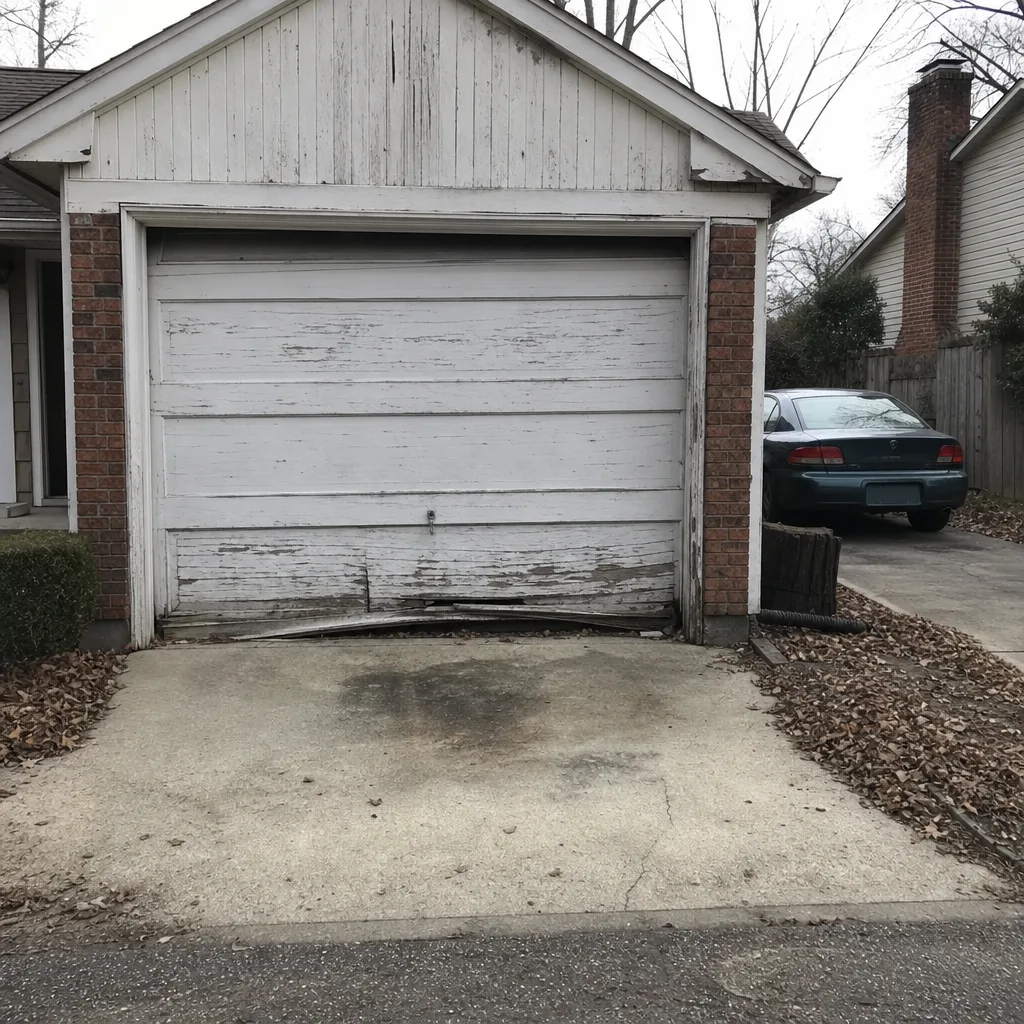 Before
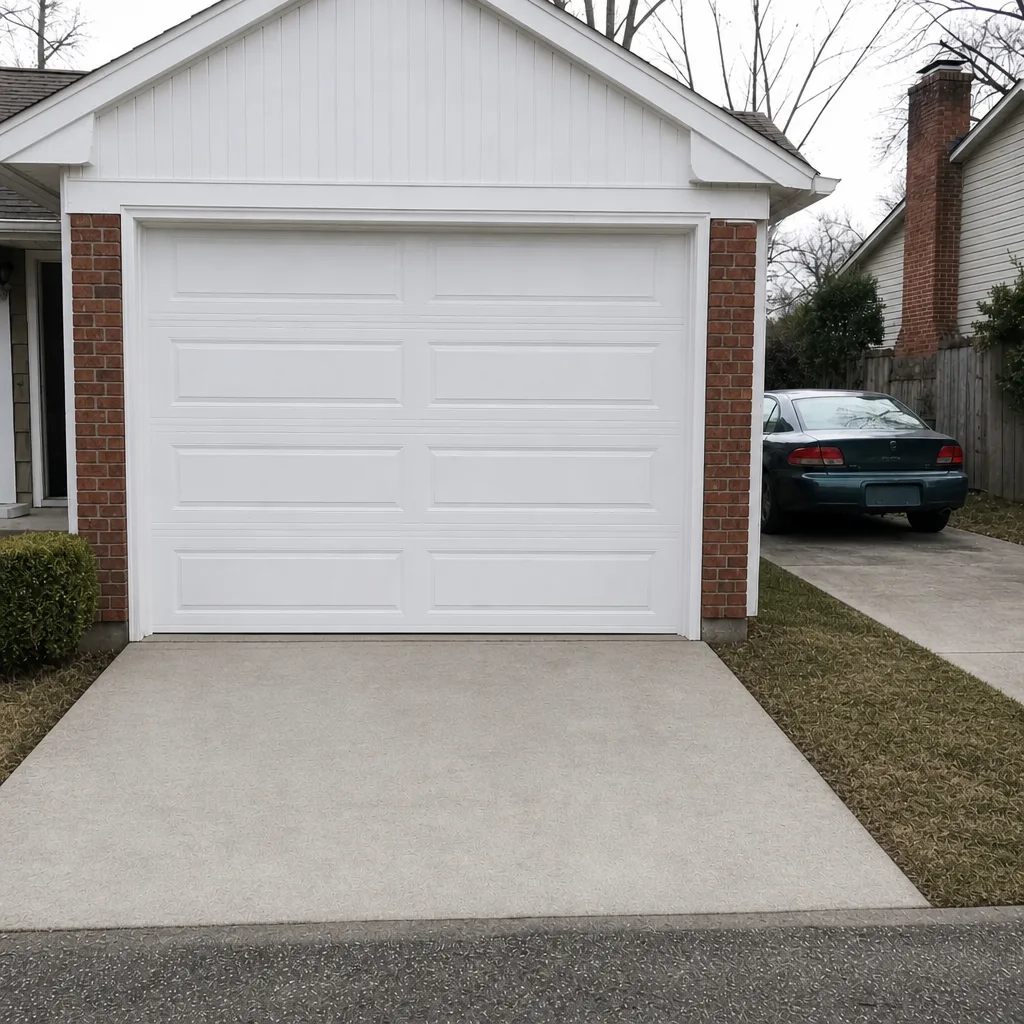 After
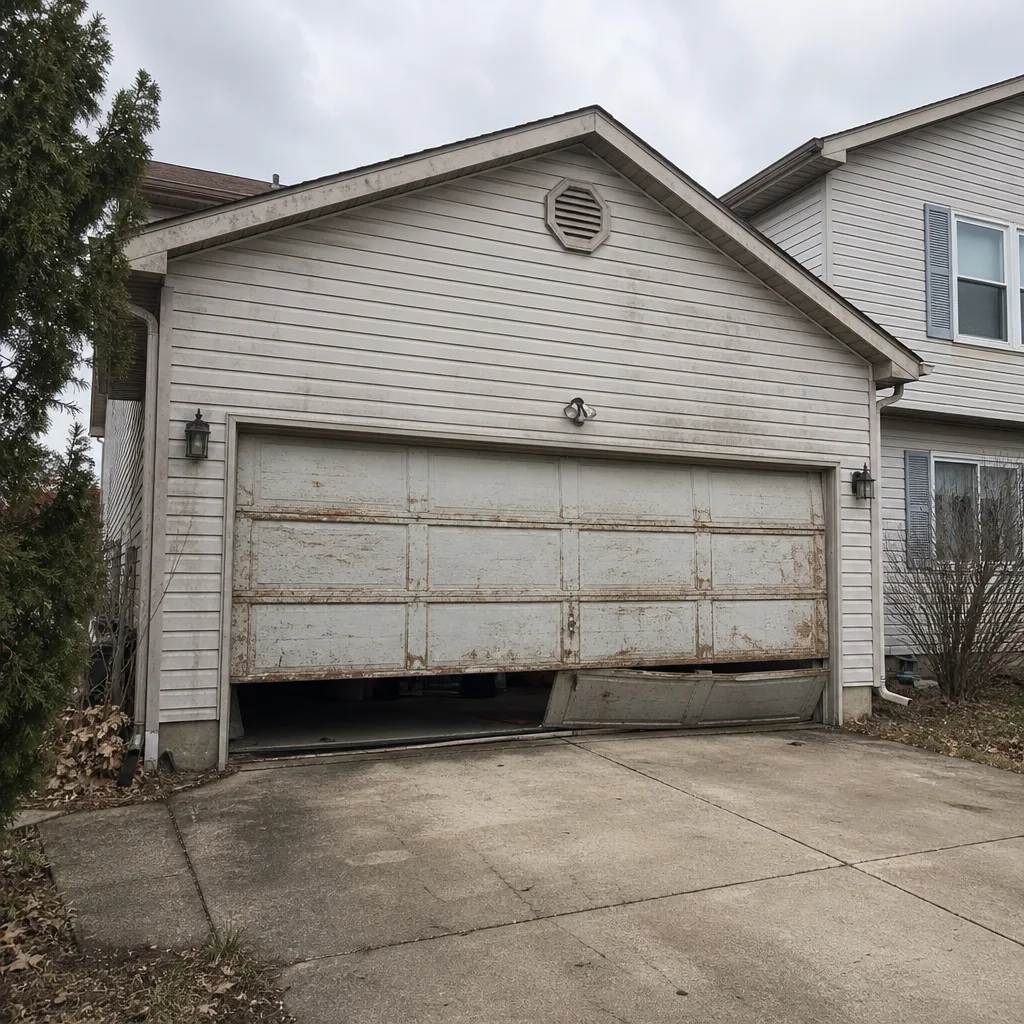 Before
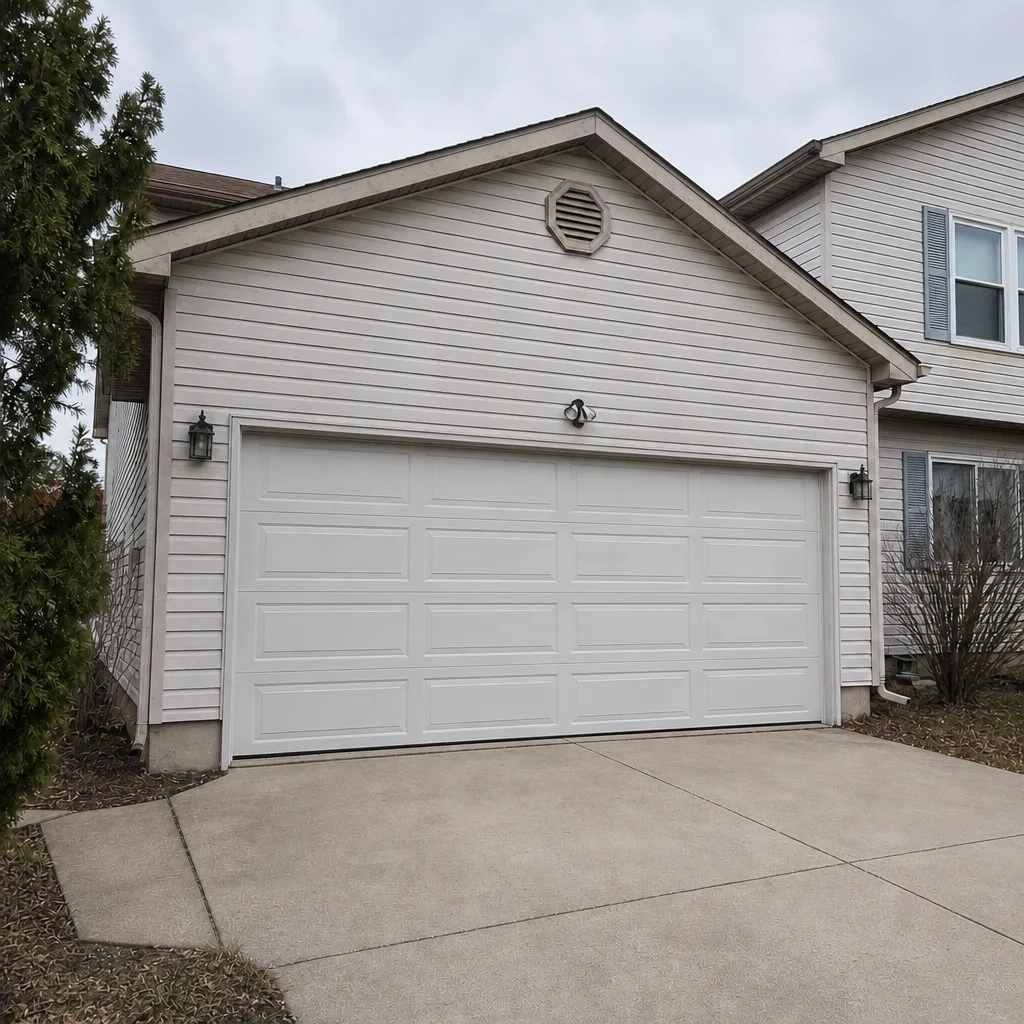 After
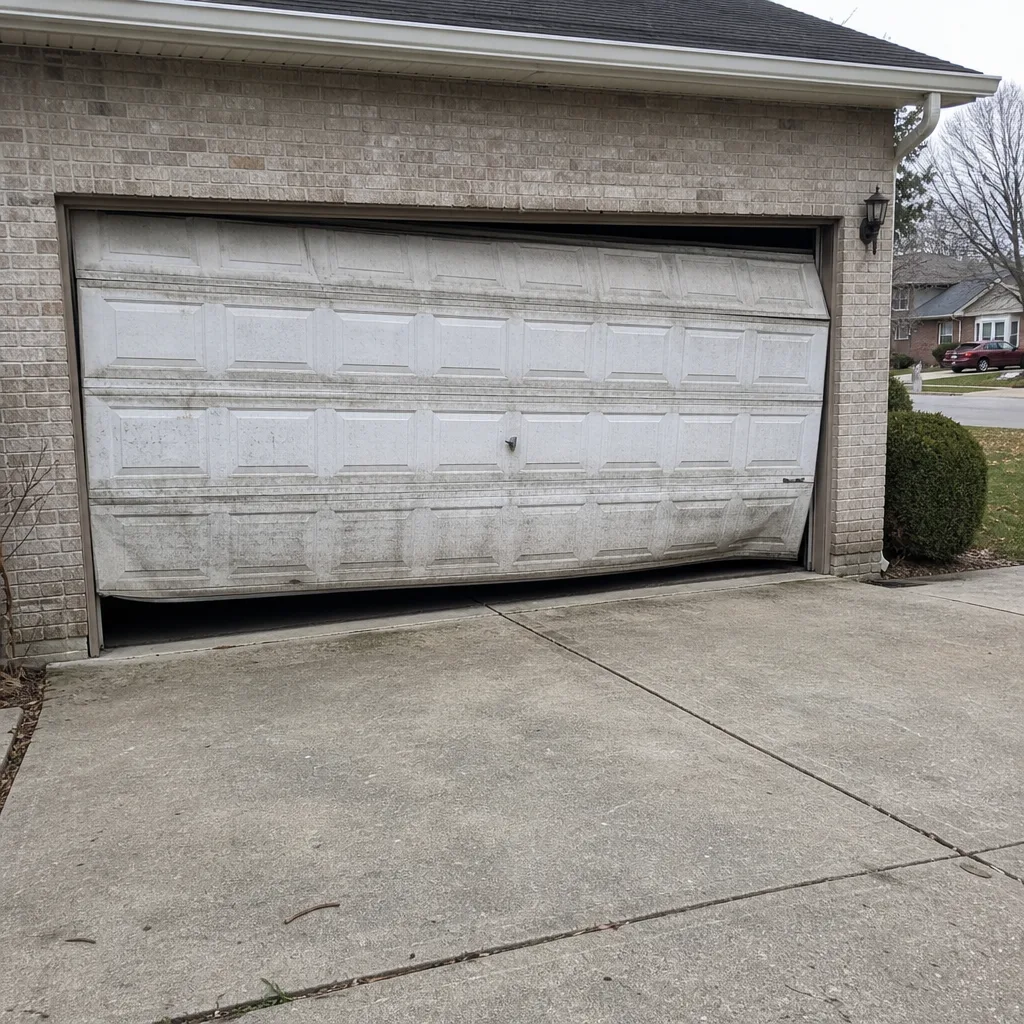 Before
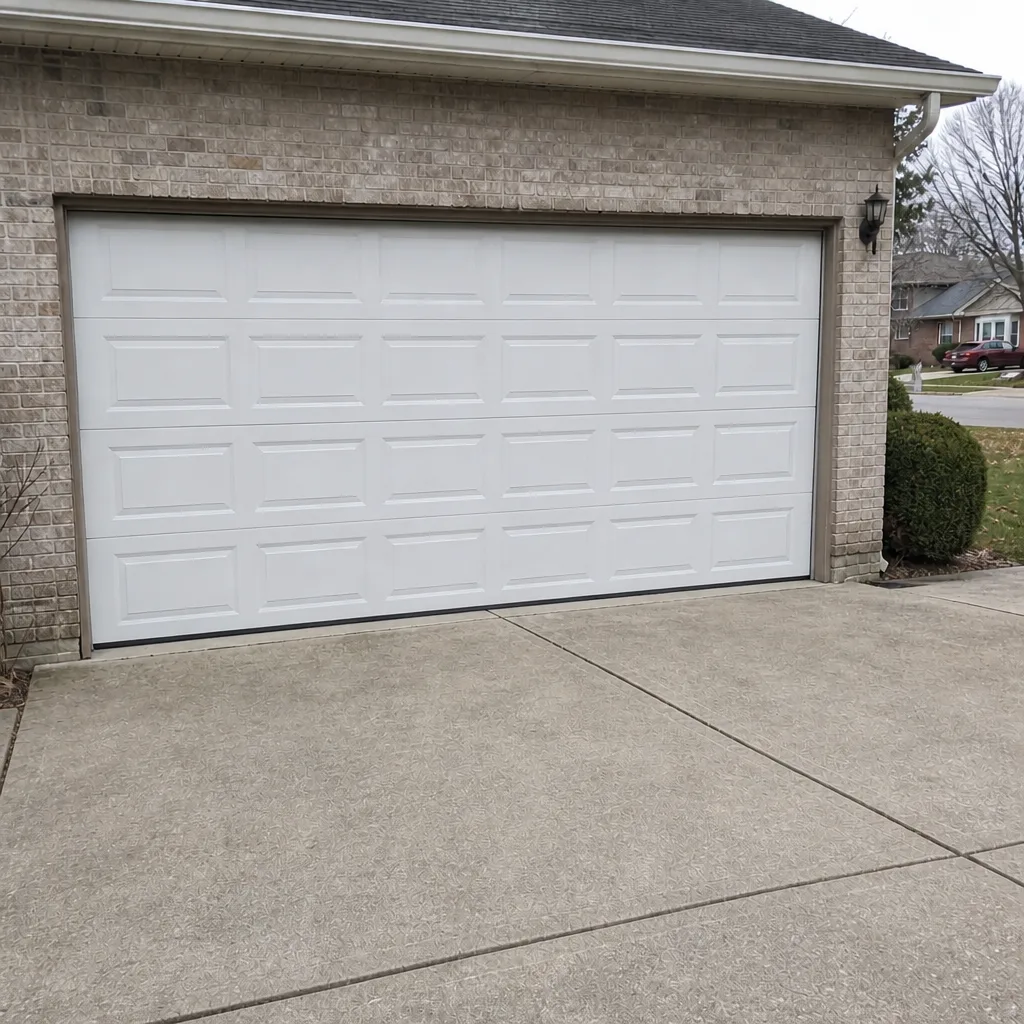 After