Last updated November 20, 2026
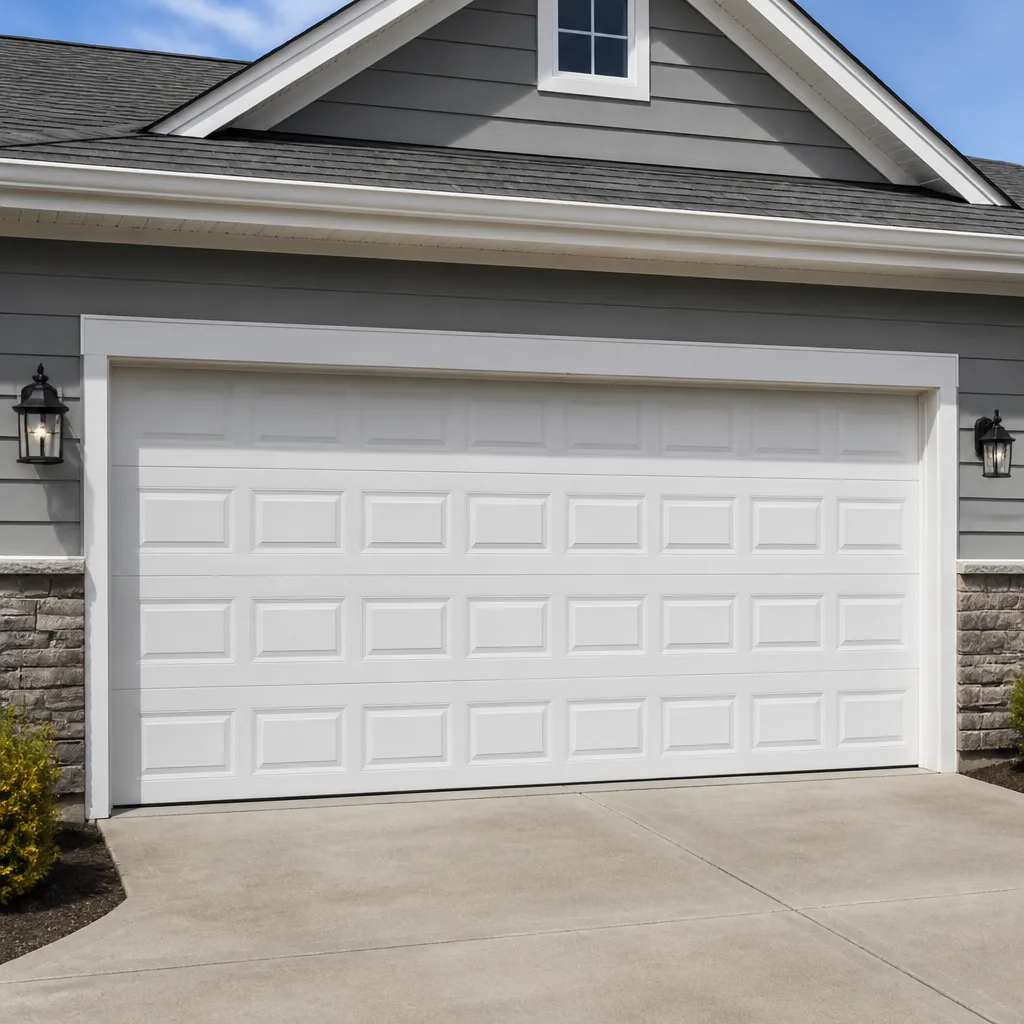 Raised-panel steel
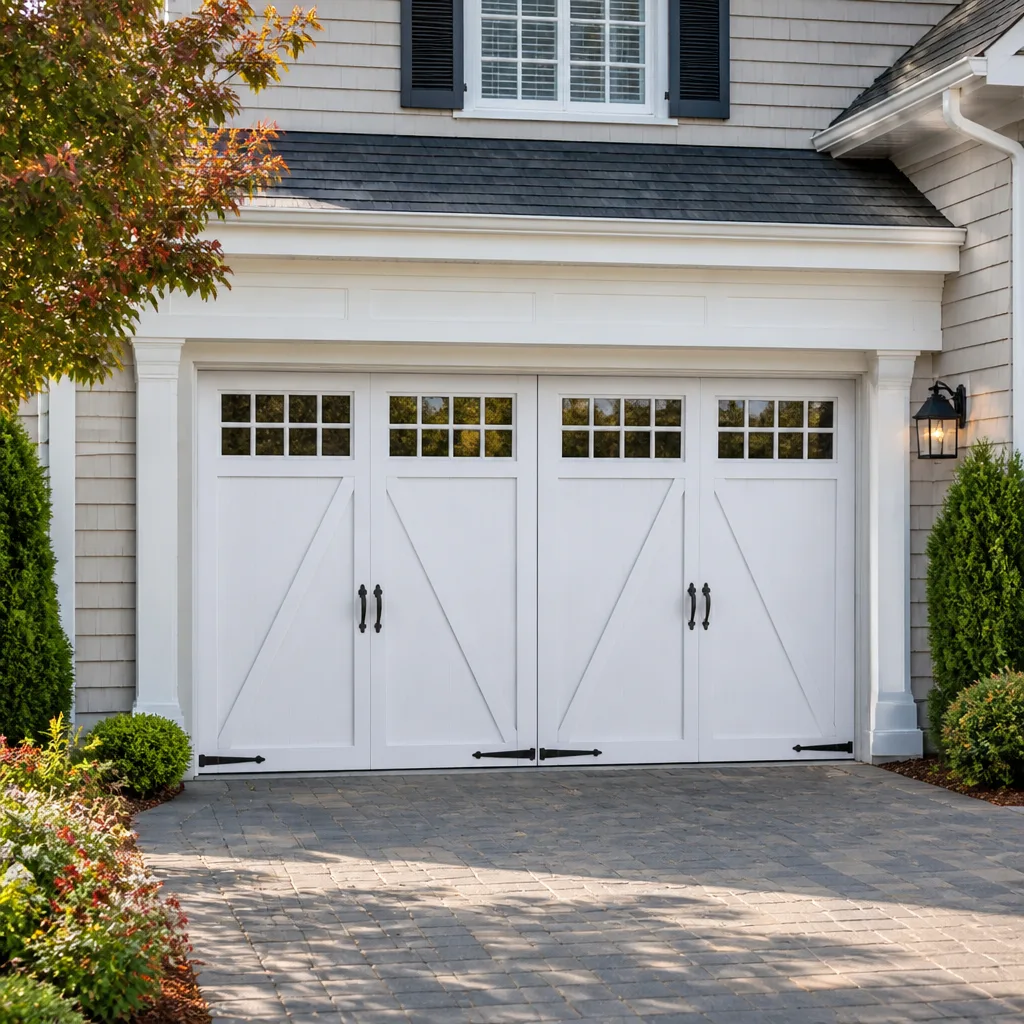 Carriage house
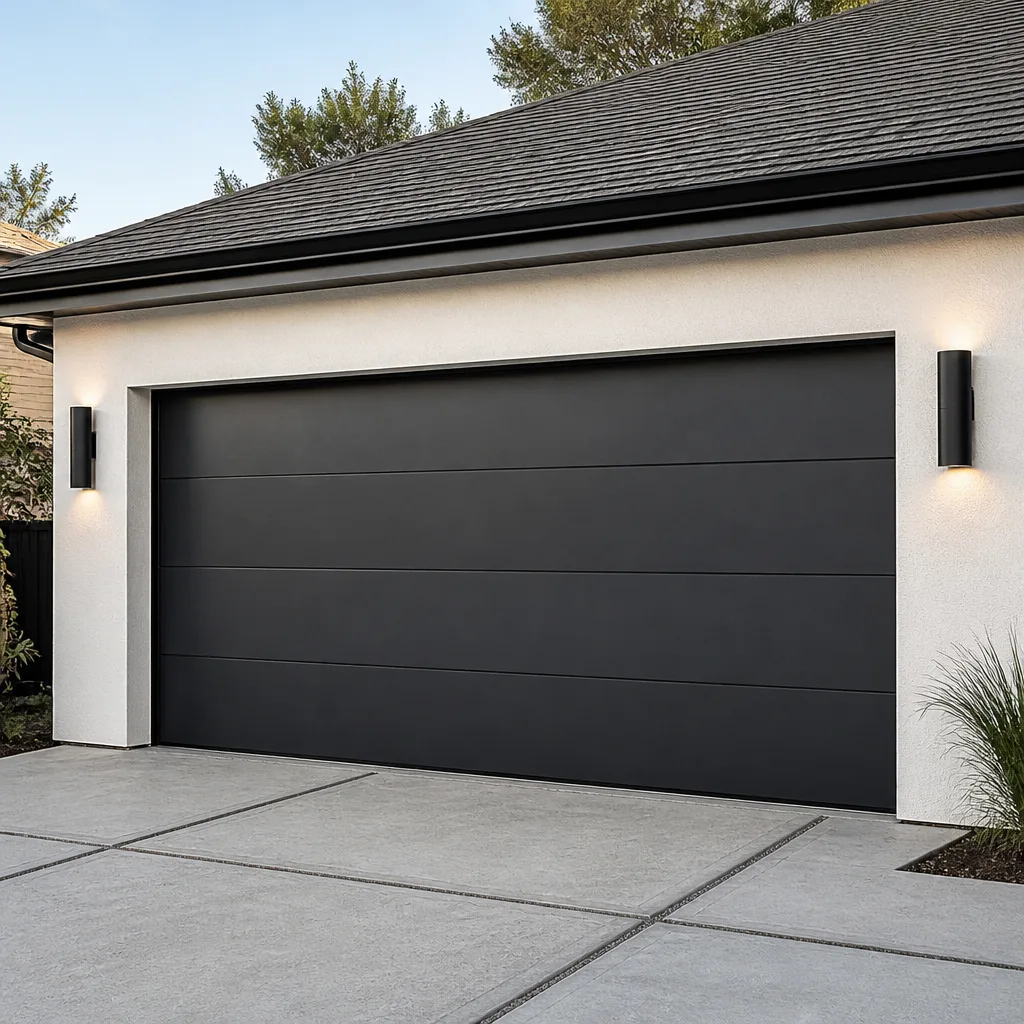 Modern flush
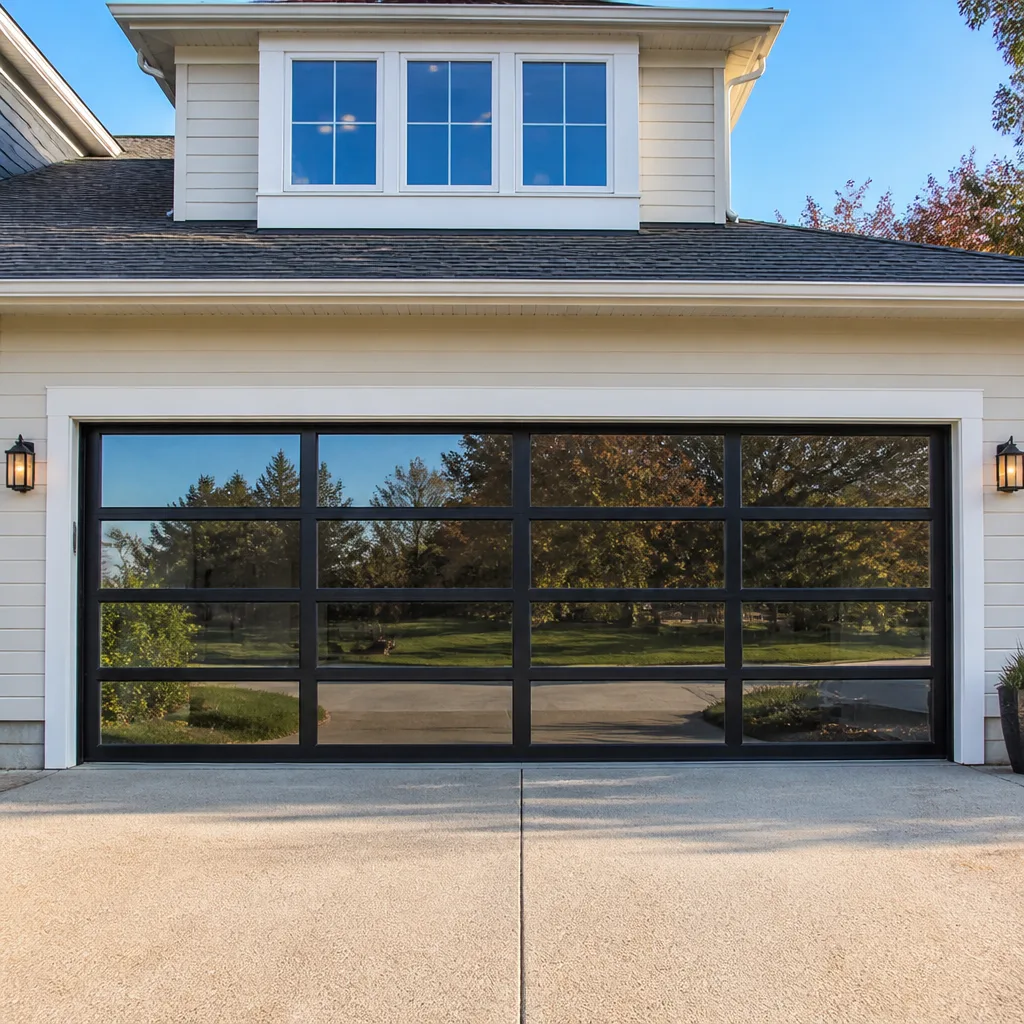 Full-view glass
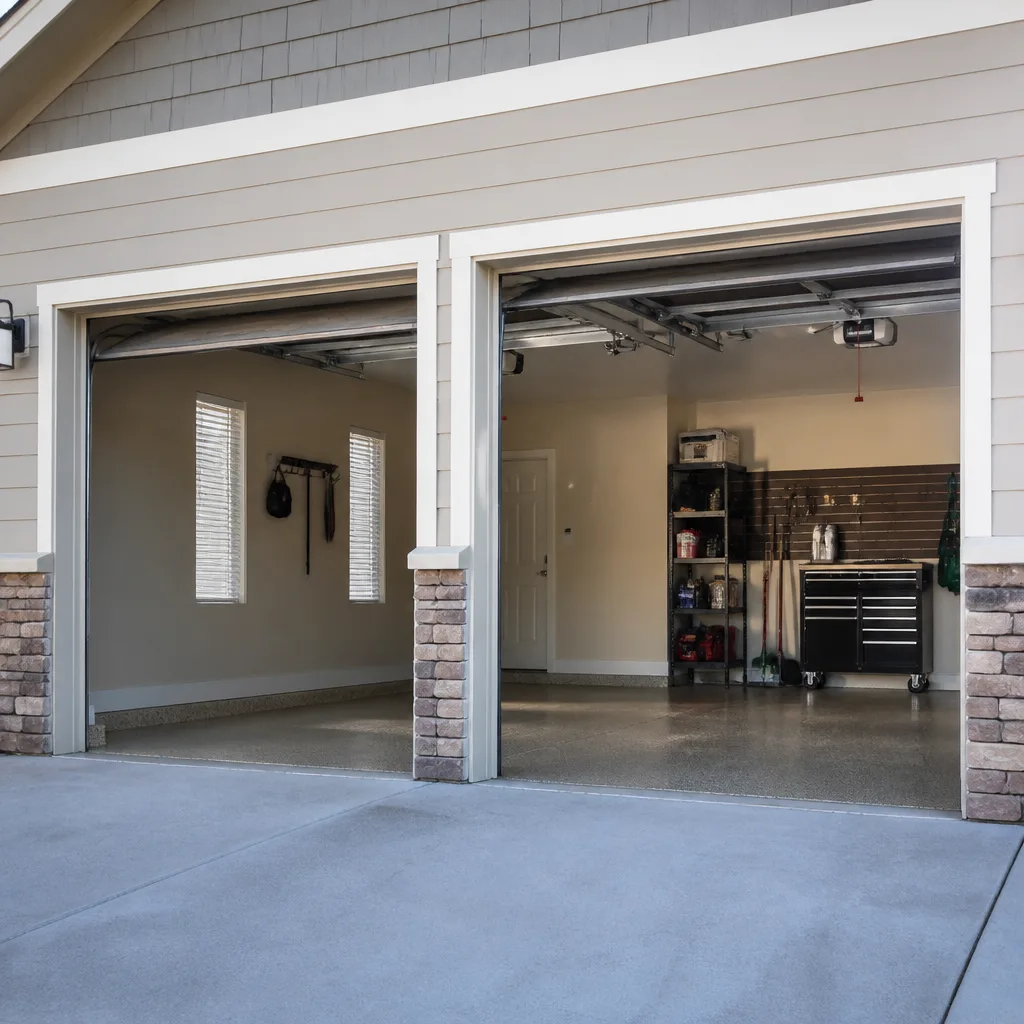 LiftMaster openers
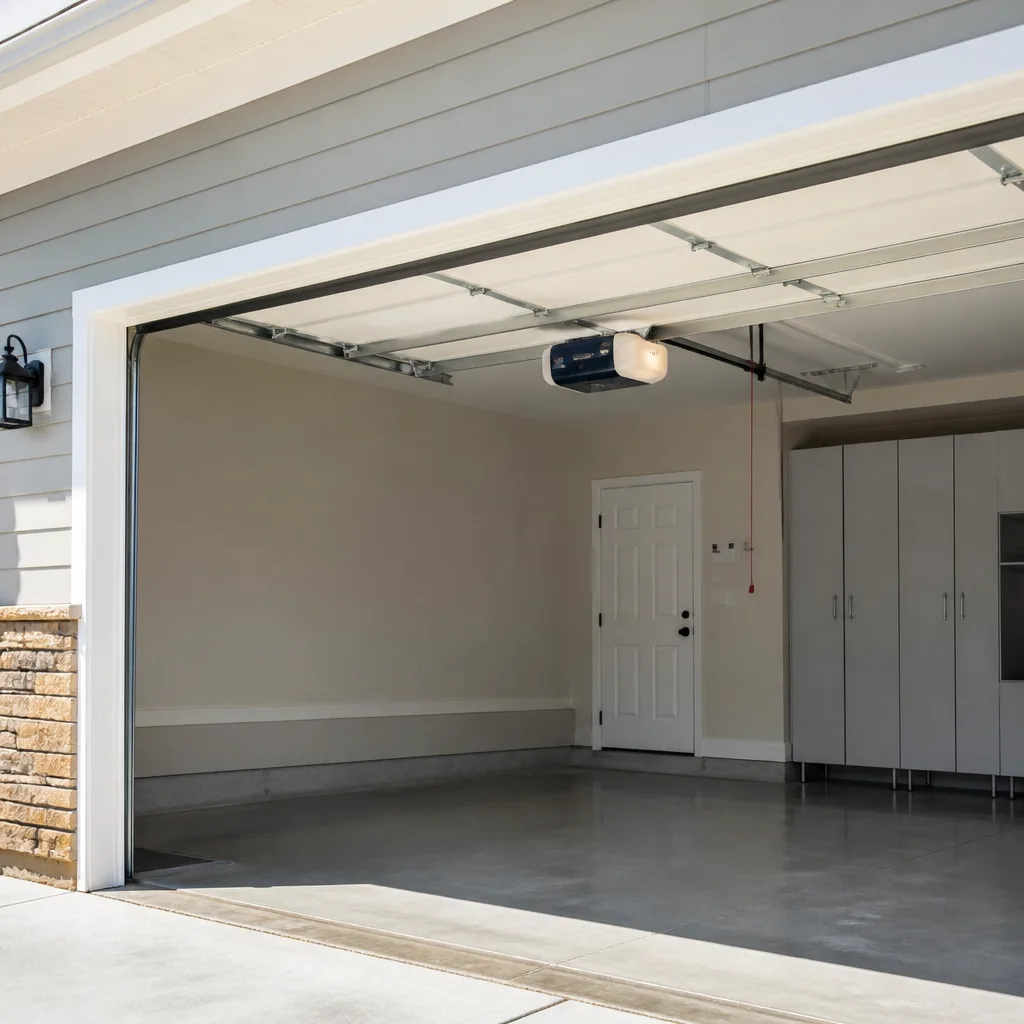 Chamberlain openers
Full 25-point door and opener safety check with every visit - springs, cables, rollers, tracks, and your LiftMaster or Chamberlain opener included
You get a price before we start. It does not change when the pro arrives.
Get your free estimateThe Complete Guide to Garage Doors in Castleton
The average garage door system has 11 interdependent components, and most homeowners in Castleton end up replacing one of them twice because they never accounted for the rest. Here’s the misconception worth clearing up before you spend a dollar: a garage door isn’t a product you pick from a catalog and bolt to the wall. It’s a matched system. The panels, the springs that lift them, the opener that drives them, the hinges and rollers that guide them, and the track that holds them all have to agree on the same weight and the same geometry. Get one piece wrong and it drags the rest down with it. This guide walks you through how Indiana’s climate shapes your choices, how weight classes work, which brands play well together, and what a system actually costs over a decade.
Quick Answer
A garage door in Castleton should be chosen as a complete system, not as separate parts bought over time. That means matching an insulated steel or composite door to springs rated for its exact weight, then pairing it with an opener sized for that load. Central Indiana’s freeze-thaw cycles and humid summers make insulation and weather sealing far more important here than they are in milder climates. Budget for a system-level decision now rather than a piecemeal repair path that costs more over ten years.
Styles & brands we work with
- Raised-panel steel
- Carriage house
- Modern flush
- Full-view glass
- LiftMaster openers
- Chamberlain openers
Table of Contents
- How Castleton’s Climate Shapes Your Door Choice
- Weight Classes: Why Door and Spring Mismatches Cause Most Failures
- Brand Ecosystem Compatibility: What Works Together and What Fights
- The Real Lifespan Curve for Steel, Wood Composite, and Aluminum in Central Indiana
- Opener Selection in Castleton: Drive Systems, Smart Features, and Load
- Spring and Cable Safety: What to Check, Never DIY
- Piecemeal Repair vs. Full System Replacement: The 10-Year Math
How Castleton’s Climate Shapes Your Door Choice
Castleton sits in central Indiana, which means four full seasons with a specific pattern: repeated freeze-thaw cycles through late fall and early spring, humid summers that swing hard between wet and dry, and enough summer heat to turn a south-facing garage into an oven by mid-afternoon. Every material decision you make should be filtered through that reality.
Freeze-thaw is the quiet destroyer. Water gets into small gaps, freezes, expands, and widens them. Repeat that across a winter and steel doors start showing rust at the bottom where moisture collects, wood composite doors begin to swell at the edges, and weather seals harden and crack. A well-sealed door with a quality bottom rubber and proper perimeter trim handles this far better than a bargain door with thin sealing.
Humidity swings stress the panel skins. Steel doors with bonded insulation hold up because the skin and core move together. Uninsulated steel doors sweat on the inside during humid summer days, which is the beginning of the rust cycle. In Castleton, an insulated door isn’t a comfort upgrade for most homes, it’s a durability decision.
Summer heat matters for openers too. A garage that runs hot on a July afternoon puts added thermal load on opener motors and on anything stored in the space. An opener rated for its door weight and running on a properly balanced door handles that without strain.
- Insulated steel: the default best fit for central Indiana homes. Handles freeze-thaw well, resists sweating, holds temperature.
- Wood composite: better than raw wood in humidity, but requires sealing attention at the edges.
- Aluminum: light and rust-free, but needs a fully insulated core to keep the garage comfortable through an Indiana winter.
If you’re weighing material options for a specific home, the team at Garage Door Repair Castleton can look at your door opening and recommend what fits the climate and the house.
Weight Classes: Why Door and Spring Mismatches Cause Most Failures
Here’s the single most common reason a garage door fails early: somebody replaced a door, a spring, or an opener without checking the weight class of the rest of the system. A single-car steel door typically lands in the 90 to 130 pound range, a double-car insulated door can run 150 to 250 pounds and up, and the springs and opener behind it have to be rated for that exact number. Mismatch any of them and the dominoes start to fall.
When the springs are undersized for the actual door weight, they work harder on every cycle, fatigue faster, and eventually break. When the opener is undersized, it runs long and hot to push a door it wasn’t built for, which shortens motor life and can strain the drive mechanism. When somebody hangs a heavier door on an existing spring set, the door may still open, but the system is now operating outside its design load every single day.
Measurements matter as much as weight. Standard height doors dominate in Castleton, but the exact track geometry, the panel thickness, and the drum size all affect how much lift force is required at each point of travel.
- Weigh the whole system, not just the door. Actual door panel weight plus hardware determines the spring rating.
- Match spring torque to the lift load. Torsion springs are selected by the door’s weight and height, not by how thick they look.
- Size the opener to the door’s weight and cycle count. A chain-drive opener rated for a lighter door may be the wrong choice for a heavy insulated double.
- Confirm balance before anything else. A properly balanced door lifts with a hand and stays put when partly open. If it doesn’t, the spring is wrong for the load.
Getting the weight class right the first time is the whole point of a spring specialist looking at the system rather than just swapping in a part. For a closer look, see our garage door repair page for how spring, track, and roller issues are diagnosed together.
Brand Ecosystem Compatibility: What Works Together and What Fights
Different brands sit in different ecosystems, and mixing them blindly is where a lot of premature failures begin. In our experience, the friction usually comes from three places: opener hardware that doesn’t match the door’s rails and brackets cleanly, springs that are rated for a different door weight class than the one actually hanging, and smart-home systems that don’t talk to the opener you bought.
On the door side, brands like Clopay, garage door installation partners Amarr, Wayne Dalton, and Raynor each bring their own panel profiles, hardware kits, and spring plate layouts. Sticking within a brand’s ecosystem for the door and its original hardware keeps everything aligned as intended. When someone swaps a door panel from one brand onto another brand’s track and drum setup, the resulting geometry is usually a compromise.
On the opener side, LiftMaster and Chamberlain share a lot of underlying platform technology, and both support smart-home integration through their respective apps. Genie and Craftsman live in their own ecosystem, and while they’re perfectly capable platforms, the remotes, wall controls, and accessories are brand-specific. If a homeowner upgrades the opener but keeps the old remotes, or adds a smart module built for a different brand, they’re often the source of a “the opener is broken” call that turns out to be a compatibility issue.
- Stay within a brand family for door panels and their original hardware. Track, drum, and hinge spacing are engineered together.
- Match remotes and smart modules to the opener brand. Cross-brand accessories are a leading cause of pairing headaches.
- Confirm spring specs against the actual door, not the door’s brand marketing. Springs are selected by weight, not by logo.
- If you’re mixing brands on purpose, have it verified. A quick professional check prevents buying the same part twice.
The Real Lifespan Curve for Steel, Wood Composite, and Aluminum in Central Indiana
Lifespan numbers are always a range, because a garage door’s life depends heavily on how it’s installed, how it’s sealed, and how often it’s used. What we can say is how each material tends to behave in central Indiana conditions specifically, and where the typical wear points show up first.
Insulated steel typically gives the longest service life in this climate. The panel skin resists moisture, the insulation core keeps the material stable, and the failure points are predictable: bottom section rust where seal contact traps water, and hinge screw points loosening over time. With proper sealing and occasional hardware tightening, an insulated steel door tends to outlast every other common residential option in Indiana conditions.
Wood composite sits in the middle. It handles humidity better than raw wood and offers a wood look without the maintenance burden of real wood, but the edges and joints still need attention. In a central Indiana freeze-thaw cycle, poorly sealed composite doors show swelling at the bottom rails before anything else fails.
Aluminum is the lightest of the three and won’t rust, which makes it appealing, but in this climate an uninsulated aluminum door sweats and conducts cold. Insulated aluminum performs much better. On a light aluminum door the system runs at a lower weight class, which reduces spring and opener strain, but material flexibility means panel dents show more easily over the years.
- Steel: longest life here, with the bottom-seal and hinge-screw zone as the watch points.
- Wood composite: good middle ground, with bottom-rail sealing as the maintenance task that extends life most.
- Aluminum: rust-free but dents more easily; insulation is essential in this climate.
Whichever material you pick, the spring and opener behind it has the shortest lifespan in the system. Knowing that helps you plan repairs instead of being surprised by them.
Opener Selection in Castleton: Drive Systems, Smart Features, and Load
Choosing an opener is a load-and-compatibility decision before it’s a feature decision. The wrong drive system on a heavy door means premature motor wear. The right one paired with a well-balanced door means years of quiet operation. And there’s a genuine choice between belt, chain, and screw drive, plus between legacy systems and smart-home ecosystems.
Belt-drive openers are the quietest choice, which matters most for bedrooms over the garage. Chain-drive openers are the workhorse option, louder but extremely reliable and mechanically simple. Screw-drive openers split the difference and are largely Genie territory. On the smart side, LiftMaster and Chamberlain myQ systems offer app control, remote monitoring, and voice-assistant integration, while Genie and Craftsman traditional drive systems stay focused on dependable operation without smart-home tie-ins.
- Confirm the door’s weight class first. The opener is sized to what it’s actually lifting.
- Match the drive system to the noise context. Belt drive for bedrooms overhead; chain drive for detached or noise-tolerant garages.
- Decide on smart features up front. If app control matters, choose a LiftMaster or Chamberlain myQ-capable opener rather than adding a third-party module later.
- Check the existing wiring and safety sensors. Safety reverse sensors and wall control wiring need to be compatible with the new unit.
- Verify the balance of the door before install. An opener on an out-of-balance door wears faster regardless of brand.
Opener problems that look like mystery failures often trace back to sensor alignment, remote pairing, or a limit switch set wrong. Our garage door opener repair service covers both legacy and modern smart systems, including the LiftMaster, Chamberlain, Genie, and Craftsman platforms.
Spring and Cable Safety: What to Check, Never DIY
Torsion springs and the cables that run alongside them hold the entire door’s loaded weight under tension. When a spring breaks or a cable snaps, it releases that stored energy instantly and without warning. This is genuinely dangerous work, and it’s the reason spring repair is the job most handyman services turn down and most garage door specialists keep as a core service. We can’t state this strongly enough: this is not a homeowner repair, in any door, in any brand, in any climate.
What you can safely do is check a few things and know when to call.
- Listen. A door that bangs, grinds, or pops on opening or closing is telling you something is off.
- Look at the door’s balance. If it drifts down or needs a lift, the springs or balance are off.
- Watch for visible cable slack. Loose, frayed, or rusted cables are a call-now signal.
- Check the safety reverse. The opener should reverse when it meets an obstruction; if it doesn’t, stop using it and call.
- Never touch a torsion spring or cable under tension. That includes tightening, adjusting, or testing by hand.
Our technicians have up to 12 years of experience, and spring systems are one of the reasons that experience helps. A pro working on this knows how to de-load the system safely, how to select a matched spring for the door’s weight, and how to verify the balance afterward. Our specialists are factory-familiar with the leading door and opener brands, so the diagnosis starts from the actual make and model in your driveway, not a generic guess. For any Castleton homeowner hearing a bang from the garage, the next move is a call, not a wrench.
Piecemeal Repair vs. Full System Replacement: The 10-Year Math
Here’s the payoff of thinking about the whole system. Piecemeal repair often looks cheaper in year one, but over ten years it usually costs more because each repair is chasing a different part of the same underlying imbalance. The system-level path costs more up front and holds up better across that same decade.
A typical piecemeal decade looks something like this: replace one spring, then the other a year later, then the opener because the first replacement was undersized for the door, then the rollers and hinges as they wear unevenly, then the door panels because the door has been operating out of balance the entire time. Each of those is a service call and a real expense, and each one leaves the same mismatch in place.
A system-level decision means: door sized for the opening and the climate, springs sized for the door, opener sized for both, hardware and track replaced as one unit. Then routine maintenance keeps the balance health in check. You spend more in year one and less in years two through ten.
For Castleton homeowners weighing the choice, we give a written estimate before any work starts, and the written quote is the price. That applies whether you’re replacing one part or the entire system. If you’re eyeing a door replacement, garage door installation is where the whole system gets laid out. If you’re replacing just a component, our team can confirm whether it fits the rest of the system before it goes in. Castleton homeowners who want a quick read on the tradeoff can call (844) 924-2080 for a free estimate.
Common Mistakes to Avoid
- Picking a door style before checking the weight class. A pretty door that’s the wrong weight for the existing springs is the beginning of the next repair. Measure first, choose panels second.
- Replacing one spring when the pair should go together. Springs on the same door wear at the same rate. Replacing one leaves the other to fail soon, sometimes within months.
- Buying an opener without confirming the door’s actual lift load. An undersized opener runs hot and wears out early. Size it to what it’s actually lifting.
- Mixing door brands with cross-brand hardware. Track, drum, and hinge spacing are engineered as a system. Cross-brand mixing quietly creates geometry compromises.
- Skipping weather sealing in a freeze-thaw climate. In Castleton, a cheap bottom seal is the fastest way to accelerate rust on the bottom section. Quality sealing extends door life directly.
- Assuming smart-home accessories are brand-agnostic. Adding a LiftMaster module to a Genie opener, or the reverse, is a common source of “the opener is broken” calls that turn out to be pairing problems.
- Letting a technician who doesn’t know your brand diagnose it. A technician unfamiliar with your specific make and model wastes time figuring out the system. That’s the frustration that leads homeowners to call a specialist who recognizes the model on sight.
See the difference
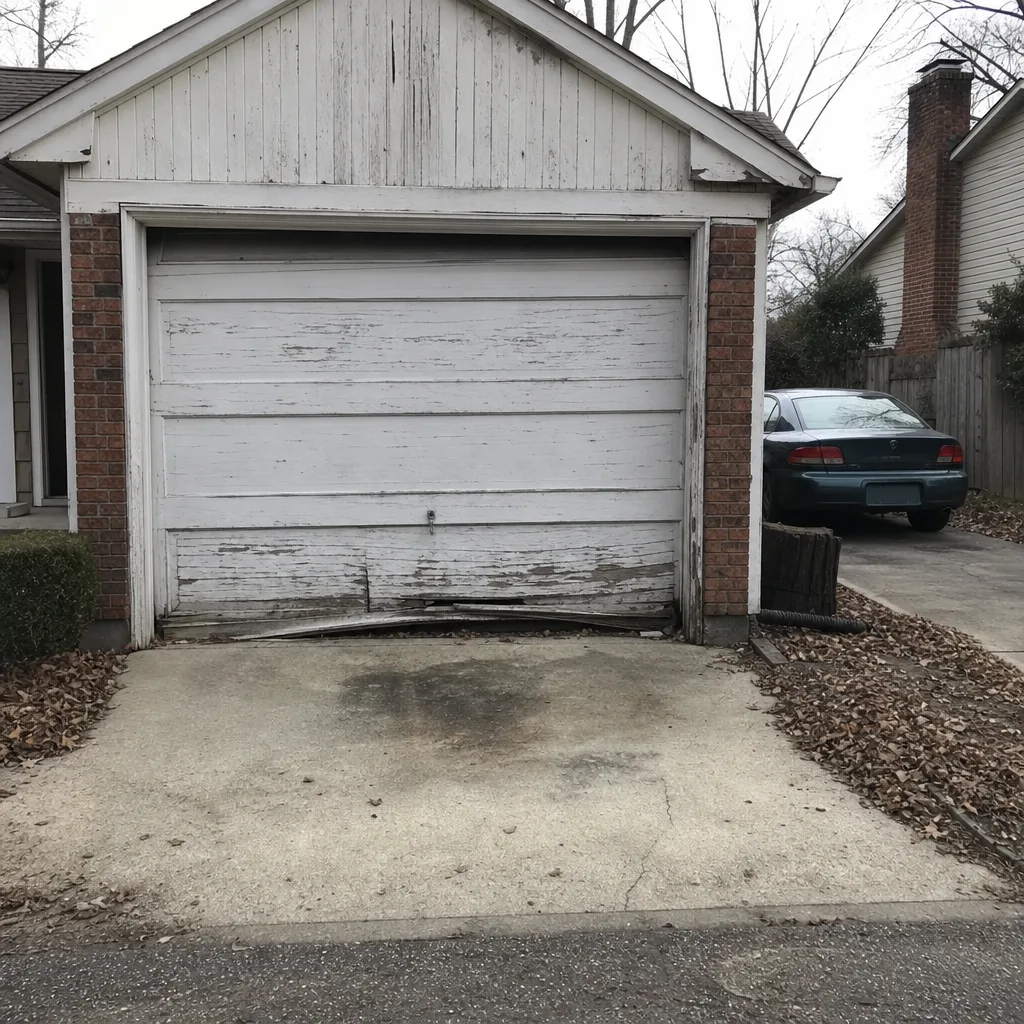 Before
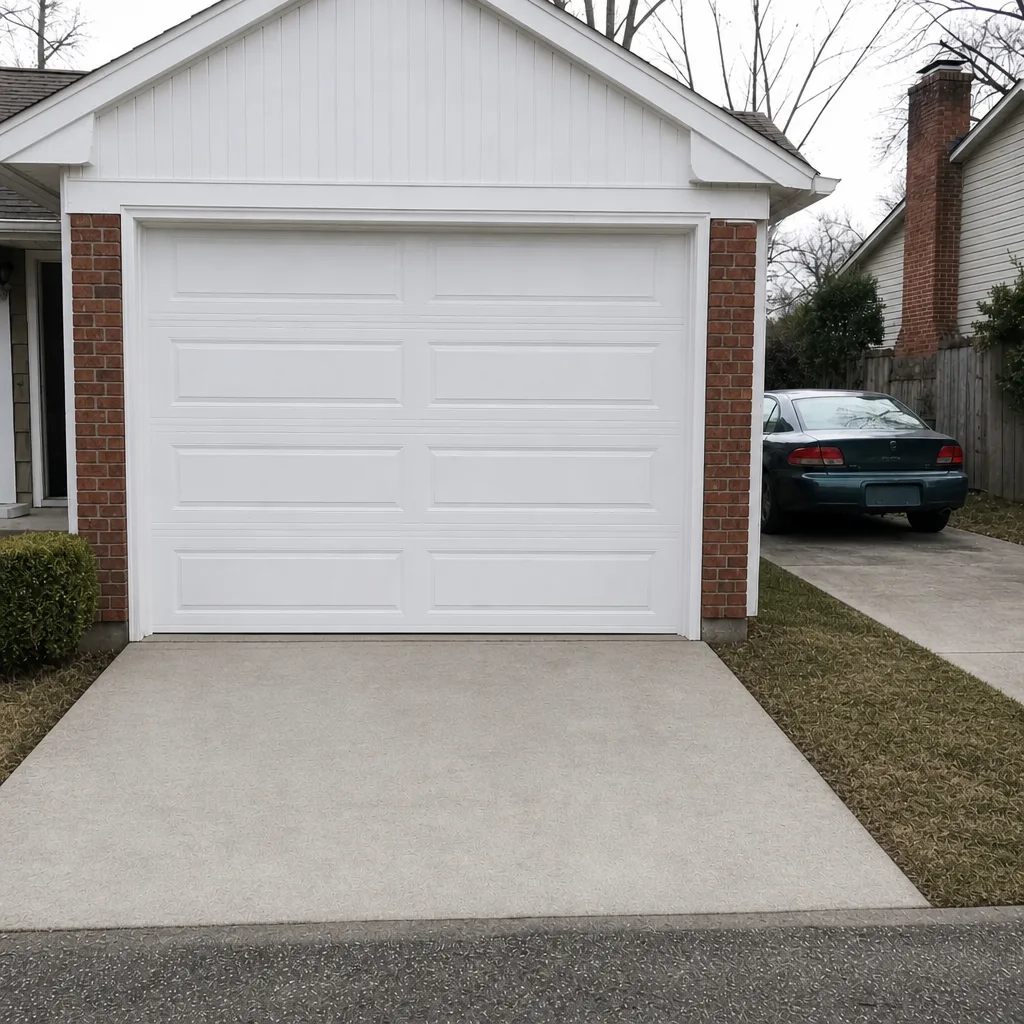 After
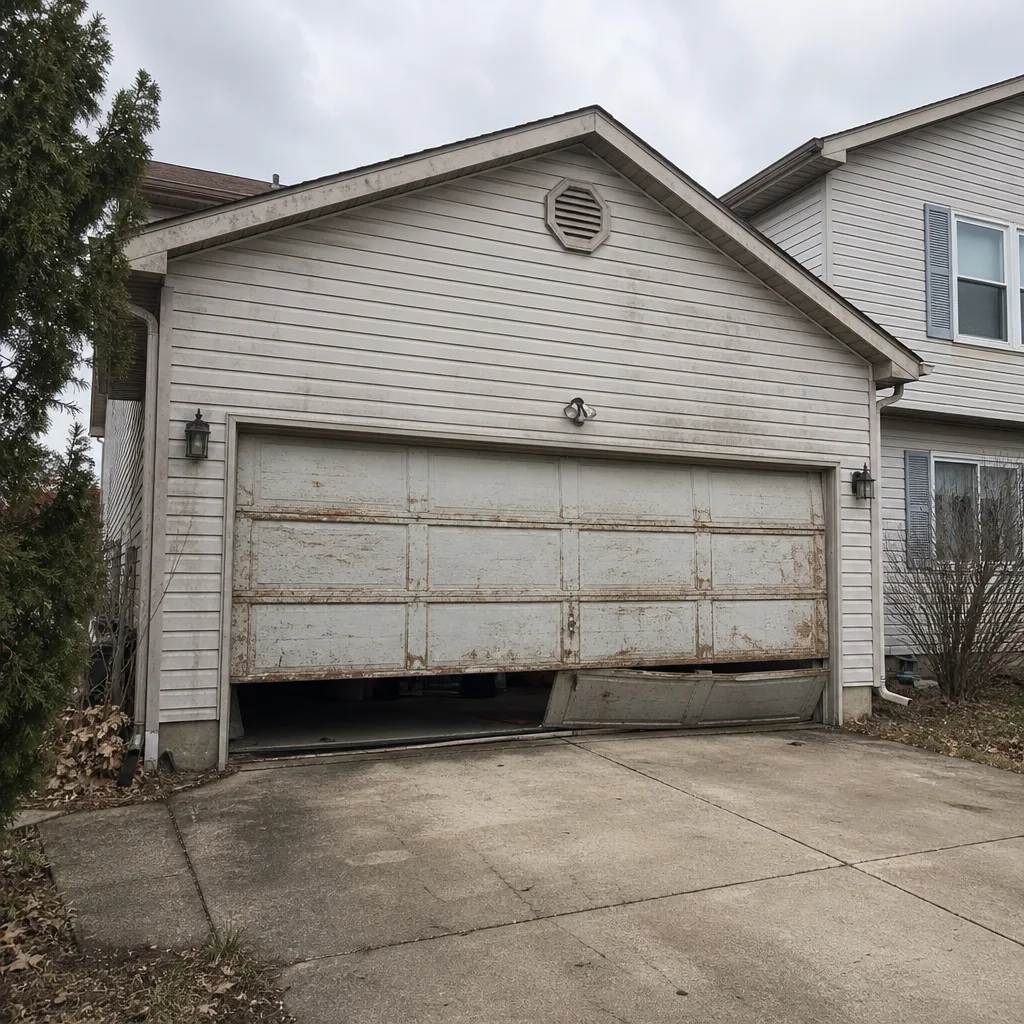 Before
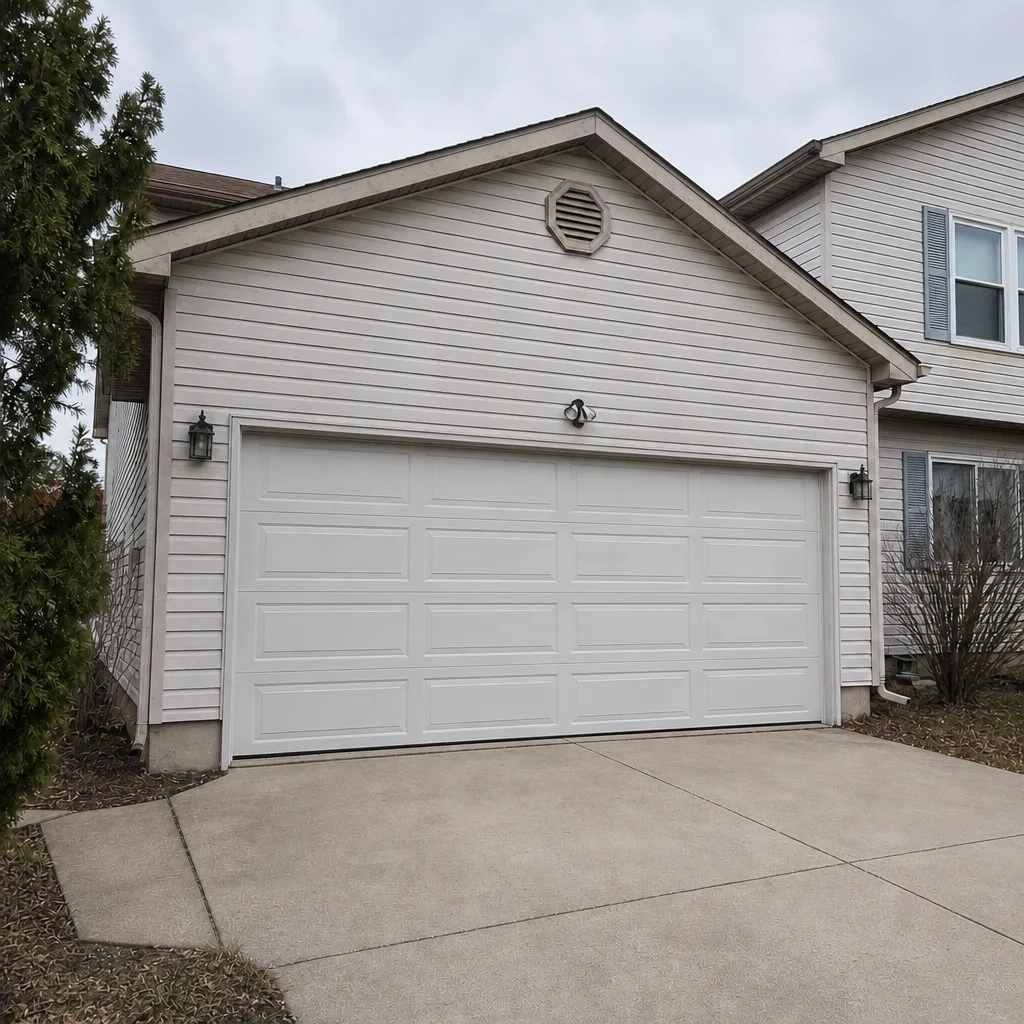 After
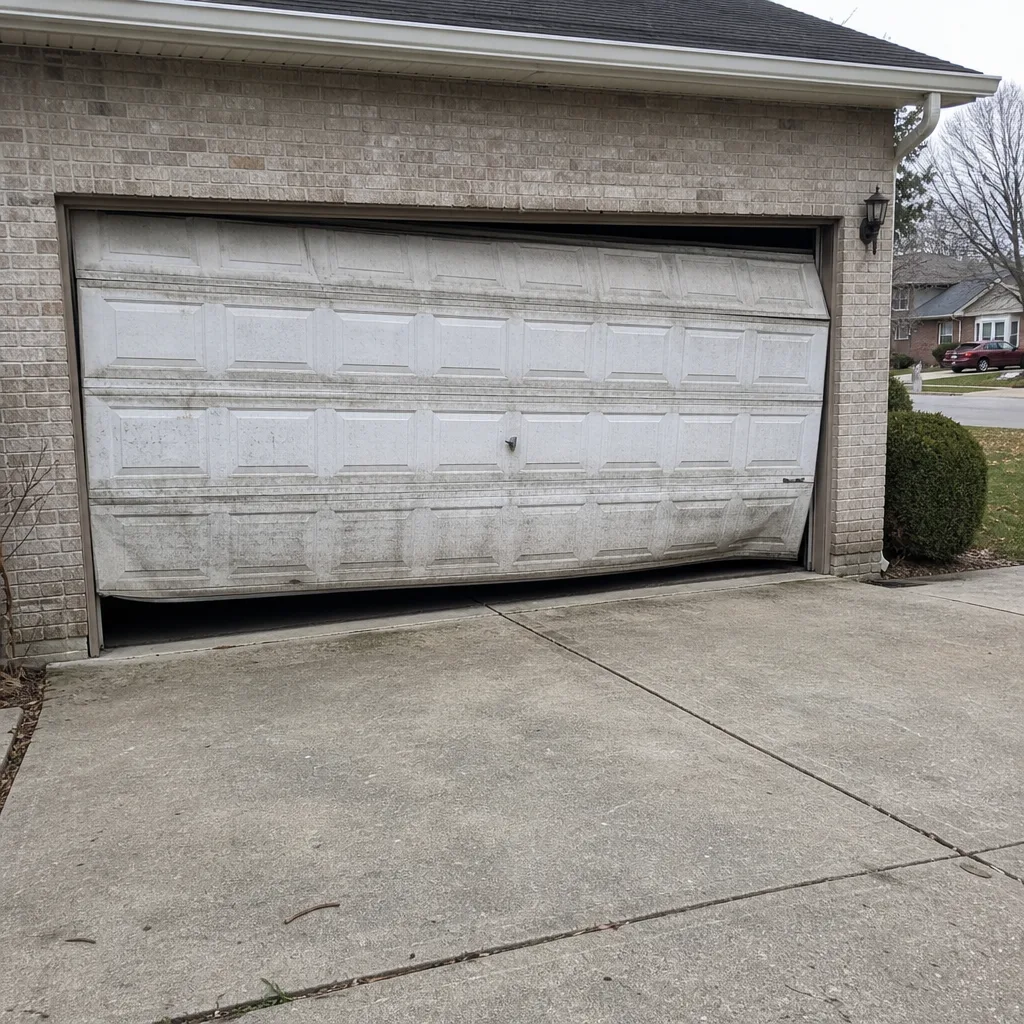 Before
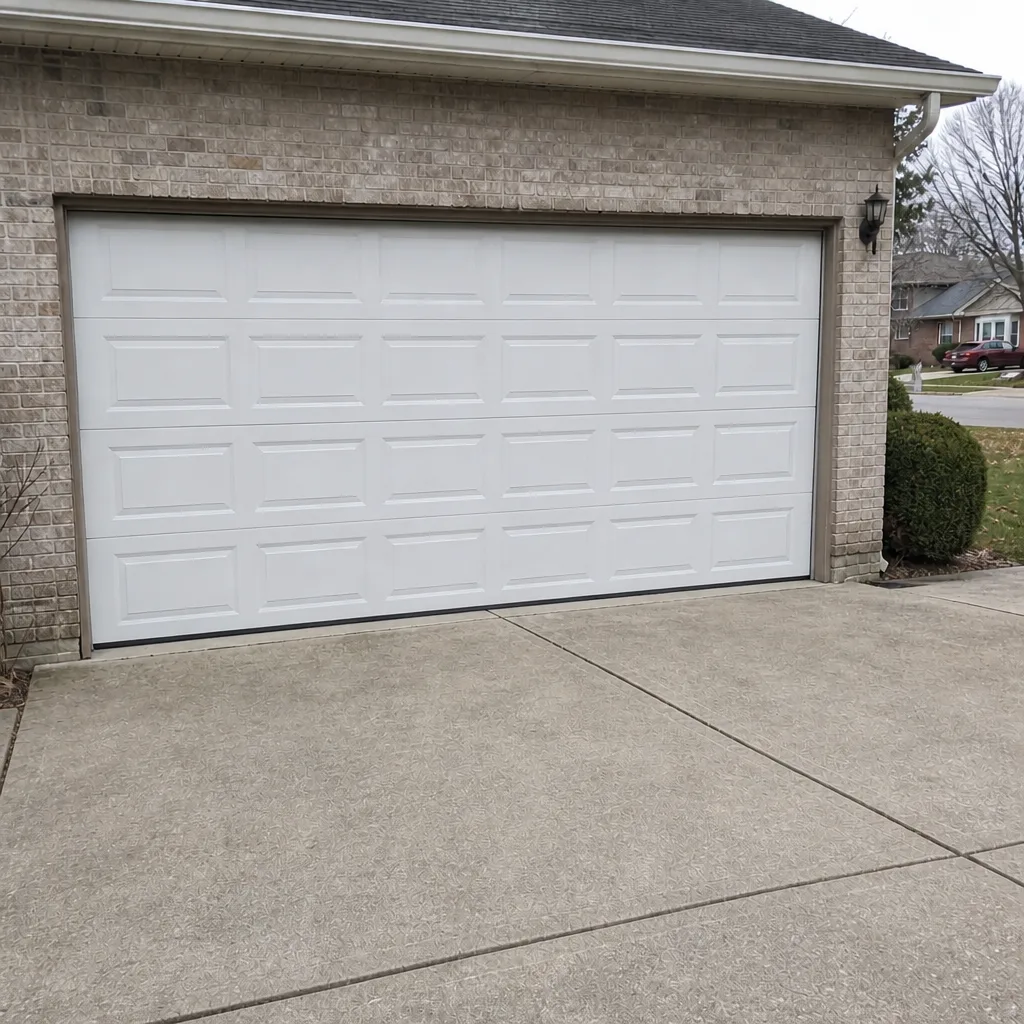 After
When to Call a Professional
Call us when the door bangs, pops, or grinds on operation, when the door is out of balance, when you see a frayed or slack cable, or when a spring has visibly broken. Call when the opener reverses incorrectly or the safety sensors won’t stay aligned. Call when you’re replacing the door or opener and want the whole system matched properly. And call when a previous repair left things feeling worse, so we can trace what’s actually wrong with the system. Garage Door Repair Castleton offers free estimates in Castleton. Call (844) 924-2080 to set one up. The written quote is the price, and it’s agreed before work starts.
Frequently Asked Questions
It depends on which component has failed and whether it’s a system-level issue. A single spring, opener repair, or hardware fix is priced differently from a full system diagnosis and replacement, and a written estimate before work starts is the way to know. Call (844) 924-2080 for a free estimate.
In most cases, both springs should be replaced together. Springs on the same door carry the same load and wear at the same rate, so replacing one leaves the other at the end of its life and shortens the interval before the next repair. A professional check of the full system confirms the right approach.
We work across LiftMaster, Chamberlain, Genie, and Craftsman platforms, including smart-home systems like LiftMaster and Chamberlain myQ. That means we’re diagnosing the actual model in your Castleton garage, including the drive system and remote configuration specific to that brand. Call (844) 924-2080 for an estimate.
We respond quickly to repair calls, though availability depends on the day and the specific job. A broken spring or non-functioning opener is treated as urgent. Call (844) 924-2080 and we’ll get a real answer about timing.
No. We give you a written estimate before any work begins, and the written quote is the price. If the inspection reveals a different problem than expected, we discuss that with you before doing anything additional, rather than surprising you with a bigger invoice. Call (844) 924-2080 to schedule a free estimate.
Our technicians have up to 12 years of experience, and we’re factory-familiar with 8 of the most widely installed garage door and opener brands in residential homes. That includes Amarr, Wayne Dalton, Craftsman, Raynor, and Clopay on the door side, which means no guesswork on your model. Call (844) 924-2080 to set a free estimate.
The Bottom Line
Every garage door decision in Castleton is really a system decision. Choose the door with the door’s weight in mind, match the spring to the door weight, size the opener to both, and stay within a brand family for hardware. Account for the freeze-thaw and humid summer patterns that define central Indiana doors, and expect the spring and opener to be the first parts to need attention. Piecemeal repairs look cheaper now but tend to cost more over ten years. System-level choices cost more up front and hold up better. If you’re not sure where to start, a free written estimate is the fastest way to see the whole picture, and the written quote is the price.
Call (844) 924-2080 for a free estimate on any garage door repair, spring repair, opener repair, part, or new installation in Castleton. We’ll look at the whole system, tell you what fits, and give you a written price before anything starts.
Written by the team at Garage Door Repair Castleton.