Last updated November 20, 2026
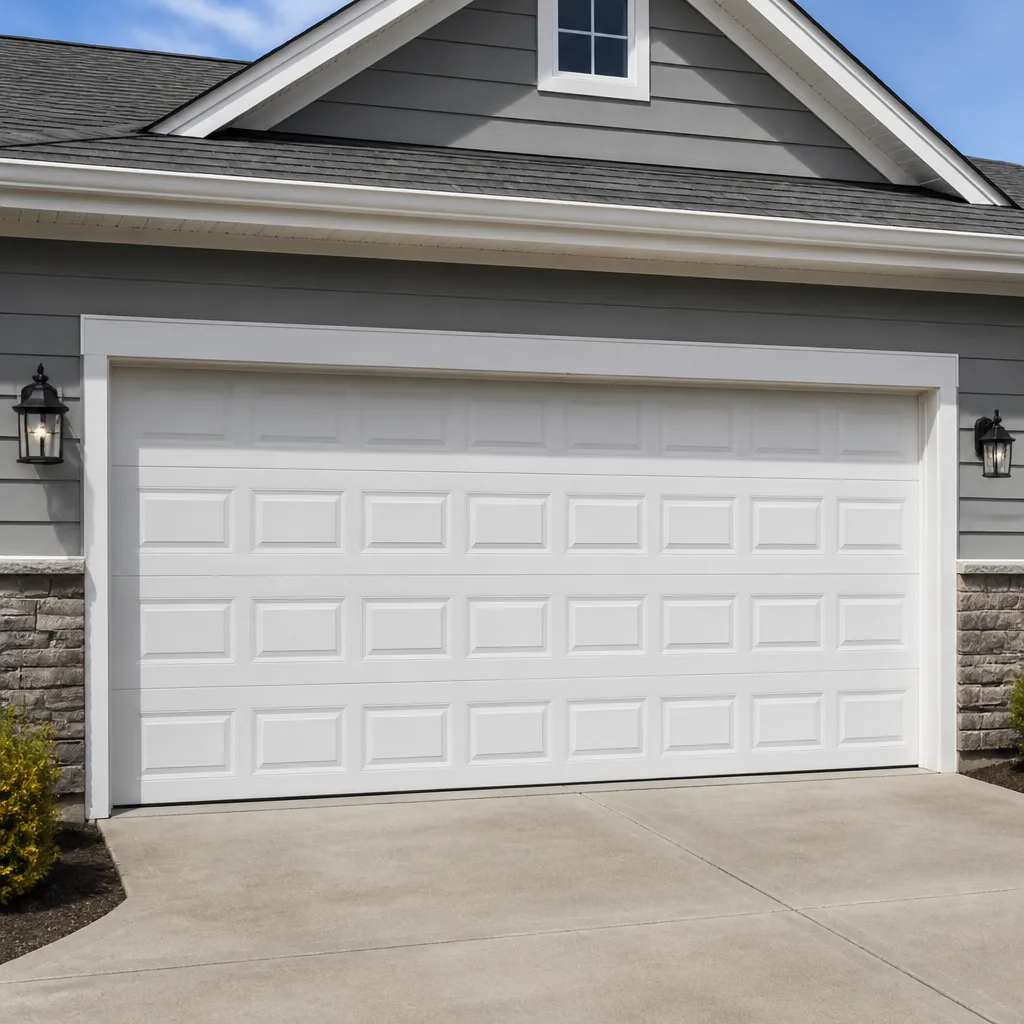 Raised-panel steel
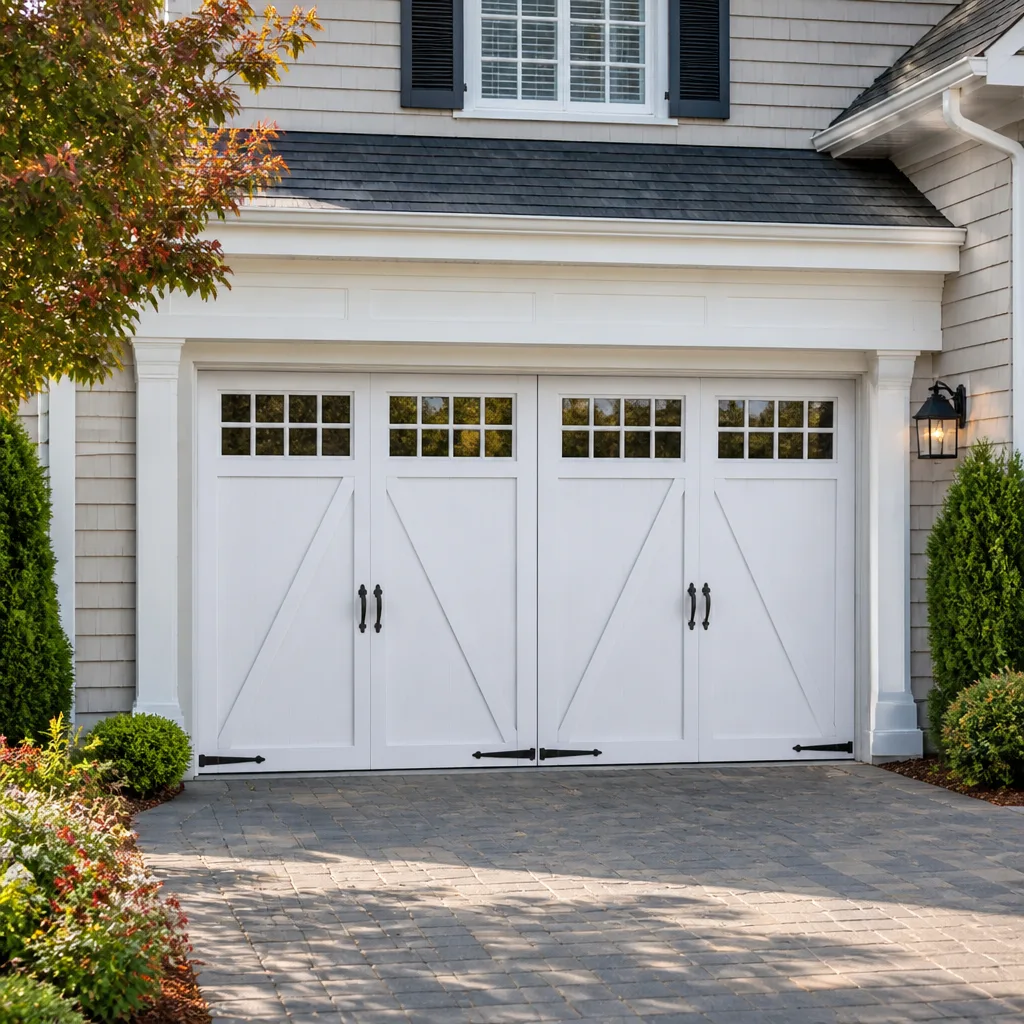 Carriage house
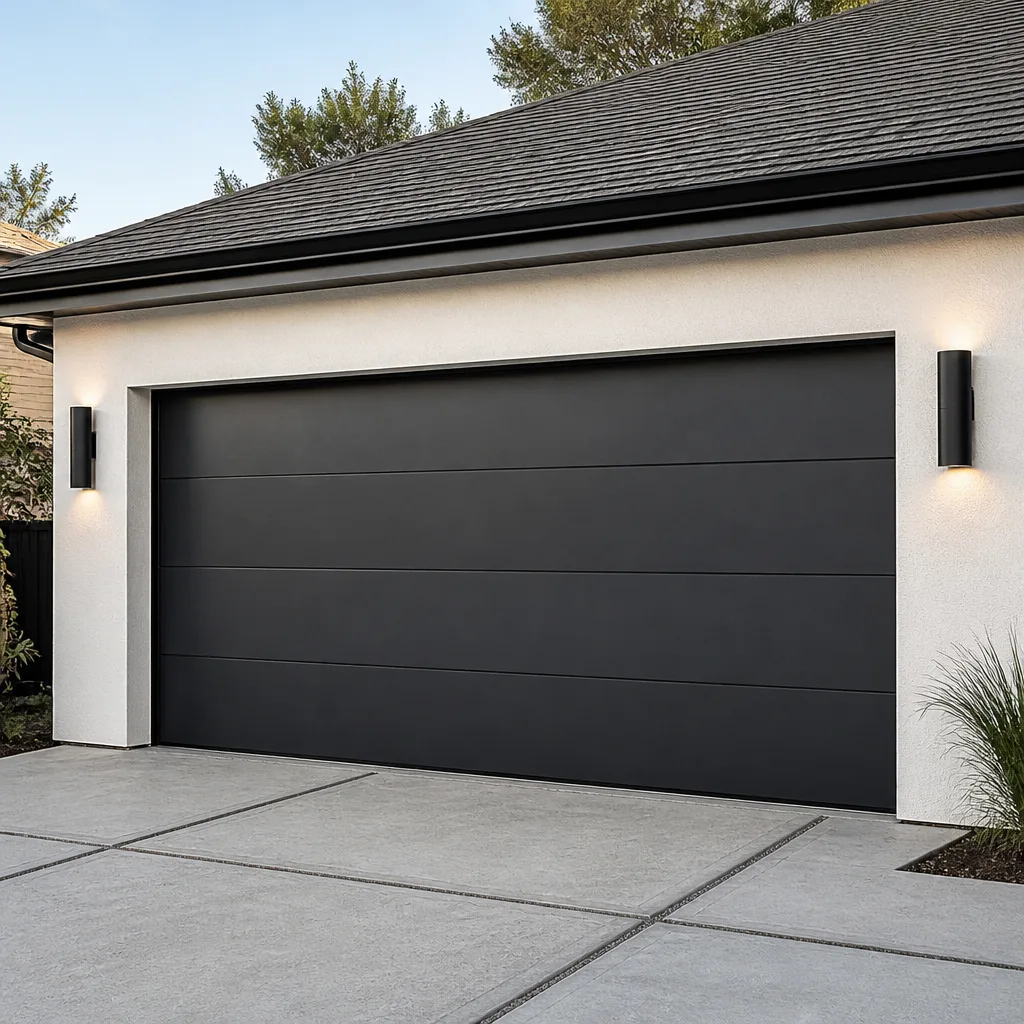 Modern flush
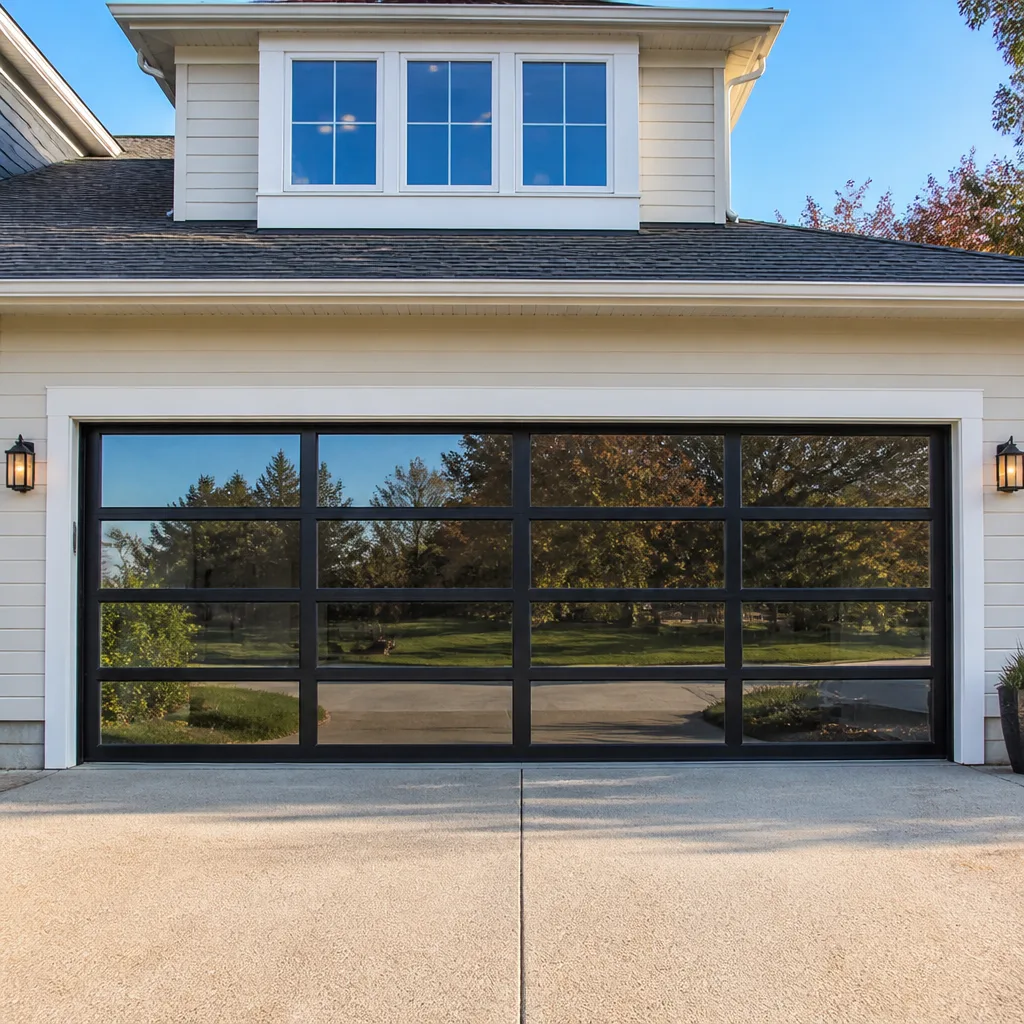 Full-view glass
 LiftMaster openers
 Chamberlain openers
Full 25-point door and opener safety check with every visit - springs, cables, rollers, tracks, and your LiftMaster or Chamberlain opener included
You get a price before we start. It does not change when the pro arrives.
Get your free estimateGarage Door Permits, Codes & Inspections in Castleton, IN: What You Need to Know
Most homeowners in Castleton assume that swapping a garage door is a permit-free project. And most of the time they’re right. But “usually” isn’t “always,” and the exceptions are common enough that skipping the check is a genuine risk. Unpermitted garage door work can surface at the worst possible moment: during a home inspection, at appraisal, or in the title and closing process when a buyer’s lender wants documentation that the work was done legally. This guide walks through when a permit is actually required in the Castleton area, what inspections check, what Indiana’s wind and energy codes mean for your new door, and how to verify work a previous owner had done.
Quick Answer
A straight replacement of a garage door in the same opening, with the same dimensions and no structural or electrical changes, generally does not require a permit in Castleton and Hamilton County. A permit is typically triggered when you enlarge or move the opening, alter the framing or header, add or modify electrical wiring for the opener, or build a garage as new construction. Always confirm with the City of Indianapolis Department of Business and Neighborhood Services, which handles permitting for this part of Hamilton County, before ordering a door.
Styles & brands we work with
- Raised-panel steel
- Carriage house
- Modern flush
- Full-view glass
- LiftMaster openers
- Chamberlain openers
Table of Contents
- What actually triggers a garage door permit in Castleton?
- Indiana wind load and energy code requirements for new doors
- What an inspection checks during a garage door installation
- What a failed inspection requires to correct
- How to verify permit status on work done by a previous owner
- Contractor versus homeowner: who is liable?
- Opener electrical work and low-voltage exceptions
- What this means when you sell a home in Castleton
What actually triggers a garage door permit in Castleton?
Size changes, structural modifications, and electrical work are the three things that cross the permit line in Castleton. A like-for-like door replacement in an existing opening usually doesn’t. The distinction matters because the price difference between a simple swap and a permitted structural change is significant, and the timeline difference is bigger still.
Here’s how the triggers tend to break down:
- Same-size door, same opening, no structural work: Typically no permit required. You’re replacing a component, not altering the structure.
- Widening or heightening the opening: Permit required. Enlarging a garage door opening means cutting the header or reframing the wall, both of which are structural.
- Moving the opening to a different wall: Permit required. This is a structural modification and often involves re-engineering the load path.
- Adding a new garage door opening to a wall that didn’t have one: Permit required. Same reason.
- Converting a garage to living space, or vice versa: Multiple permits. This affects egress, insulation, and often electrical.
- New garage construction: Full building permit required, and the garage door is part of the plan review.
- Adding or replacing an opener with new wiring: Electrical permit likely required if you’re running new circuits or adding outlets. Replacing an opener on existing wiring usually isn’t.
- Replacing a torsion spring: No permit. Springs are a mechanical component, not structural.
One wrinkle in Castleton: homes here range from older properties near the 82nd Street corridors to newer construction in subdivisions off Allisonville Road and Hague Road. Older garages sometimes have non-standard opening dimensions from decades past, and a homeowner replacing a door may discover the framing was altered at some point. If the framing has to move to fit a modern-sized door, that’s a permit situation even though the homeowner thought they were doing a simple swap.
Before you order anything, ask the Department of Business and Neighborhood Services directly. A short phone call resolves what a lot of internet research can’t. For the replacement work itself, our garage door installation service handles the door and hardware; the permit question is one we work through with you before the order goes in.
Indiana wind load and energy code requirements for new doors
Indiana’s residential code requires garage doors to meet a specified design wind pressure for the home’s location, and attached garages need an insulated door that meets energy code. Both requirements apply to new door installations and to structural changes. Neither usually comes up on a simple replacement in the same opening, but both affect the door you order.
Wind load is the one homeowners underestimate. Indiana isn’t a coastal state, so windborne debris requirements are modest compared to Florida or the Gulf Coast, but the design wind pressure still varies by location and exposure. A garage door is the largest opening in most homes, and it’s also the weakest point in a wind event. Doors are rated by their design pressure, and a licensed installer will select a door that meets the requirement for your Castleton address. Going with an under-rated door because it’s cheaper is a false economy and can be a problem at inspection or resale.
Insulation and R-value are the energy code side. An attached garage shares at least one wall with the conditioned house, and Indiana’s energy code treats that wall and the garage door itself as part of the building envelope. In practice this means:
- Uninsulated steel doors meet the minimum for a detached garage but usually fall short for an attached garage in a conditioned-home scenario.
- Insulated steel doors with polyurethane or polystyrene cores are the common choice for attached garages in Castleton.
- Doors from Clopay, Amarr, Wayne Dalton, and Raynor all have insulated models across budget, mid-range, and premium tiers. The R-value range varies widely within each brand.
- Doors facing south or west take more radiant heat in a Castleton summer, which is one reason a homeowner might choose a higher R-value than the code minimum.
R-value on garage doors isn’t measured the same way as wall insulation, and manufacturers advertise different figures depending on the test method. Ask the installer to walk you through which number applies to the code, not just the one on the sales sheet.
What an inspection checks during a garage door installation
An inspection on a permitted garage door installation checks that the opening and framing match the approved plan, that the door and hardware are installed per the manufacturer’s instructions, and that the opener’s safety features work. The inspector isn’t there to grade your taste in doors. They’re confirming the installation is code-compliant and the structure and safety systems are sound.
Here’s what a typical inspection covers, in the order inspectors usually work through it:
- Opening dimensions and framing. Does the rough opening match the approved plans? Is the header sized correctly for the door weight and wind load? Are the jack studs and king studs properly installed?
- Door and track installation. Is the door plumb, level, and properly secured? Are the tracks anchored to sound framing? Is the door operating smoothly without binding?
- Spring and balance. Is the door balanced, meaning it stays in place when raised halfway? Springs are mechanical and not usually a code item, but an unbalanced door is an installation failure.
- Opener safety features. The photo-eye reversing system must stop and reverse a closing door when the beam is broken. The pressure-sensing reverse must also function. These are the two safety mechanisms inspectors check most closely.
- Electrical connections. If new wiring was part of the permit, the inspector verifies the circuit, GFCI protection where required, and the disconnect means for the opener.
- Labeling and ratings. The door’s wind-load rating label should be present and match what was specified on the permit application.
- Final operation. The inspector will operate the door from the wall control and, if installed, the remote, and confirm the safety reverse engages properly.
Inspections in Castleton are scheduled through the city’s permitting portal, and the timing depends on the inspector’s queue. A well-run installation includes a final walk-through with the homeowner before the inspector is called, so obvious issues don’t turn into a return visit. Inspectors flag problems they can see quickly: a door that doesn’t reverse on command, a missing label, a track that’s visibly out of level.
What a failed inspection requires to correct
A failed inspection means the installation doesn’t meet code as inspected, and the correction has to be documented and re-inspected. Most failures are minor and fixable the same week. A few are structural and require more work. Either way, the permit stays open until the inspection passes, which is the part that matters at resale.
Failures usually fall into one of these buckets:
- Safety reverse not working. The photo-eye or pressure reverse doesn’t stop and reverse the door. Fix: adjust or replace the safety sensors and re-test. Common on older LiftMaster or Chamberlain openers where the sensors have drifted or the wiring connections have corroded.
- Missing or incorrect wind-load label. The door doesn’t carry the label the permit specifies, or the label is for a different door. Fix: correct the labeling with the manufacturer or, in the worst case, replace the door.
- Framing doesn’t match the plan. The header was sized differently than the approved plans, or the opening dimensions don’t match. Fix: reframe to match, which sometimes means pulling the door and reinstalling it.
- Electrical issues. GFCI protection missing where the code requires it, wrong wire gauge, or no disconnect. Fix: electrical correction and re-inspection.
- Door out of balance or operability problems. The door binds, the springs aren’t set correctly, or the tracks aren’t anchored securely. Fix: adjustment and sometimes hardware replacement.
What a correction costs depends entirely on which bucket it falls into. A sensor adjustment is a small service call. A reframe-and-reinstall is a much larger job. This is why the pre-inspection walk-through matters: catching a sensor problem before the inspector arrives saves a two-week delay.
For a safety-reverse issue specifically, this is a repair job, and our garage door opener repair service covers the Chamberlain, LiftMaster, Genie, and Craftsman platforms where these failures are most common.
How to verify permit status on work done by a previous owner
Permit status on past work is verifiable through the city’s online permit search, and pulling that history before you buy or sell in Castleton is worth the ten minutes. Title companies and lenders increasingly flag unpermitted work during closing, and a garage door that was installed with a required permit that was never pulled can delay or complicate a sale.
Here’s the process, in order:
- Pull the permit history. Search the address in the city’s permitting portal. You’re looking for open permits, expired permits, and permits that were issued but never finaled.
- Look for garage-related permits specifically. A permit for a “garage door replacement,” “garage addition,” or “structural alteration” tells you work was done. A permit with no final inspection recorded tells you the work was done but never verified.
- Compare the year of the permit to the age of the door. If the door looks newer than the permits show, something happened without a permit. That’s not automatically a problem, but it is worth asking about.
- Ask for documentation from the seller. A well-maintained home should have installation records, especially for major components. If the seller can’t produce them, ask why.
- Get a visual inspection. A technician can identify an installation that looks structurally questionable, a door that’s the wrong size for the opening, or framing that was modified without a permit.
If you’re buying in Castleton and you find unpermitted work, you have options: ask the seller to retroactively permit it, ask for a credit at closing, or walk away. Unpermitted garage door work is more common than most buyers realize, and the title company’s job is to flag it, not to fix it.
Contractor versus homeowner: who is liable?
On most permitted garage door work, the contractor is responsible for pulling the permit and the homeowner is responsible for ensuring it was pulled. That’s the short version. The longer version matters because the liability picture shifts depending on who did the work and what the homeowner knew.
Here’s how it usually sorts out:
- Licensed contractor doing permitted work: The contractor pulls the permit, schedules the inspection, and is responsible for the work passing. The permit is typically issued in the contractor’s name with the homeowner as the property owner of record.
- Contractor doing work that needed a permit but didn’t pull one: The contractor is exposed to licensing consequences and the homeowner is exposed at resale. The homeowner may not have known, but the permit record still shows the work wasn’t permitted.
- Homeowner doing their own work: In Indiana, a homeowner can generally pull a permit for work on their own primary residence. The homeowner is then fully responsible for the work passing inspection.
- Homeowner hiring an unlicensed handyman: If the work needed a permit and didn’t get one, the homeowner is on the hook. Handymen typically can’t pull permits, and the homeowner inherits the problem at sale.
For Castleton homeowners, the practical takeaway is to ask two questions before any installation work begins: who is pulling the permit, and what’s the permit number? If the contractor says the work doesn’t need one, ask why. If the work genuinely doesn’t need one, they should be able to explain the reasoning. If it does, and they won’t pull it, that’s a warning sign. The local pros we connect homeowners with are licensed and insured as their state requires, and permit responsibility is always spelled out before the written estimate.
For garage door repair work specifically, permits are rarely involved, but a small spring repair can turn into a structural conversation if the framing turns out to be compromised. Our garage door repair service handles those judgment calls during the estimate.
Opener electrical work and low-voltage exceptions
Replacing a garage door opener on existing wiring generally doesn’t require an electrical permit; running new wiring to a new location usually does. That’s the practical line in Castleton and across Indiana. The distinction is whether you’re swapping a component on an existing circuit or adding new electrical infrastructure.
The exceptions to watch for:
- New outlet or new circuit for the opener: Electrical permit required. This is new electrical work, not a swap.
- Adding a smart-opener hub or Wi-Fi bridge that taps existing low-voltage wiring: Typically no permit. These are low-voltage accessories.
- Moving the opener to a different location, requiring new wire runs: Permit required for the new wiring.
- Converting a garage from manual to automatic: May require a permit for the electrical work, depending on whether existing wiring is used.
- Replacing a wall control or remote: No permit. These are consumer-replaceable accessories.
Modern smart-home openers from LiftMaster and Chamberlain include features like battery backup and integrated cameras. The battery backup is a genuine safety improvement, but it doesn’t change the permit picture. The camera and hub features are low-voltage accessories and connect to your home network, not to new electrical circuits.
The safety aspect here matters. A garage door opener’s reversing mechanism is a life-safety device. An opener installed on a new circuit without proper GFCI protection is a code problem, and a door that doesn’t reverse can cause serious injury to a person or pet caught underneath. If the work involves new wiring, bring in a licensed electrician, and don’t shortcut it to save the permit fee.
What this means when you sell a home in Castleton
Unpermitted garage door work can delay a sale in Castleton because title companies and buyers’ agents increasingly ask for permit documentation during closing. The work itself is often fine. The problem is the paper trail: a recorded permit with a final inspection is evidence that the work was done correctly. A garage door that was installed without a required permit is a question mark the buyer can use as leverage.
The scenarios where this bites hardest:
- A previous owner widened the garage door opening. Without a permit, the buyer’s inspector may flag it as an unknown structural modification. The seller ends up negotiating a credit or scrambling to permit it retroactively.
- A garage conversion was done without permits. The “garage” shows up as living space in the listing but not in the property records. This can affect the appraisal and the lender’s willingness to fund the loan.
- A new door was installed with inadequate wind-load rating. The buyer’s inspector notes the label doesn’t match the requirement, and the seller has to correct it or credit the buyer.
The fix is straightforward when you plan for it. If you’re selling in Castleton and you’ve had garage door work done, pull the permit history now. If the work was permitted and finaled, keep the documentation with the sale paperwork. If it wasn’t and the work required a permit, talk to the city about retroactive permitting before you list. That conversation is easier to have before an offer than after one.
If you’re buying and the permits are unclear, a technician can inspect the door and framing and tell you whether the installation looks code-compliant. That inspection is a small cost compared to the negotiation headache it can prevent. You can reach us at Garage Door Repair Castleton for that kind of walk-through.
Common Mistakes to Avoid
- Assuming all garage door replacements are permit-free. Most are, but the exceptions are common enough that you should confirm before you order. A same-size swap in an existing opening usually doesn’t need one; a size change or framing alteration almost always does.
- Ordering a door before the permit question is settled. If a permit is required and you’ve already ordered a door with the wrong wind-load rating, you’re facing a return and a re-order. Settle the permitting path first, then order.
- Letting a handyman pull the permit. In Indiana, handymen typically can’t pull permits. If your installer can’t produce a permit number when one is required, that’s the moment to ask why.
- Skipping the safety-reverse test after installation. The photo-eye and pressure reverse are the two things inspectors check most closely, and they’re the features most likely to be misadjusted on a fresh install. Test them before the inspector arrives.
- Not pulling permit history before buying in Castleton. A ten-minute search on the city’s portal can reveal unpermitted structural work that would otherwise surface during closing. Title companies flag what they find; better you find it first.
- Assuming the previous owner’s install was permitted. Unpermitted work is common, and it can sit dormant for years until a sale or refinance surfaces it. Verify, don’t assume.
- Ignoring the insulation requirement on attached garages. An uninsulated door on an attached garage may fall short of Indiana’s energy code for the building envelope. The door you pick affects whether that becomes an inspection issue.
See the difference
 Before
 After
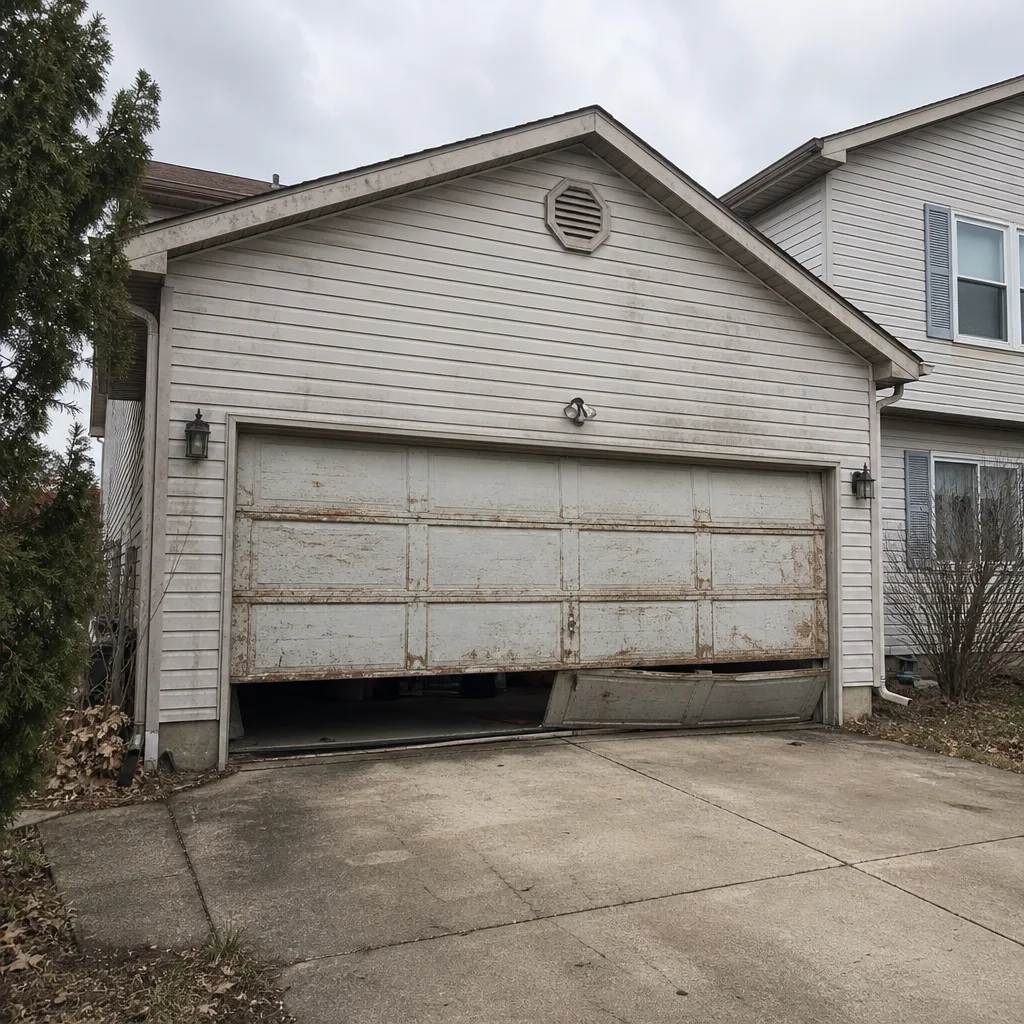 Before
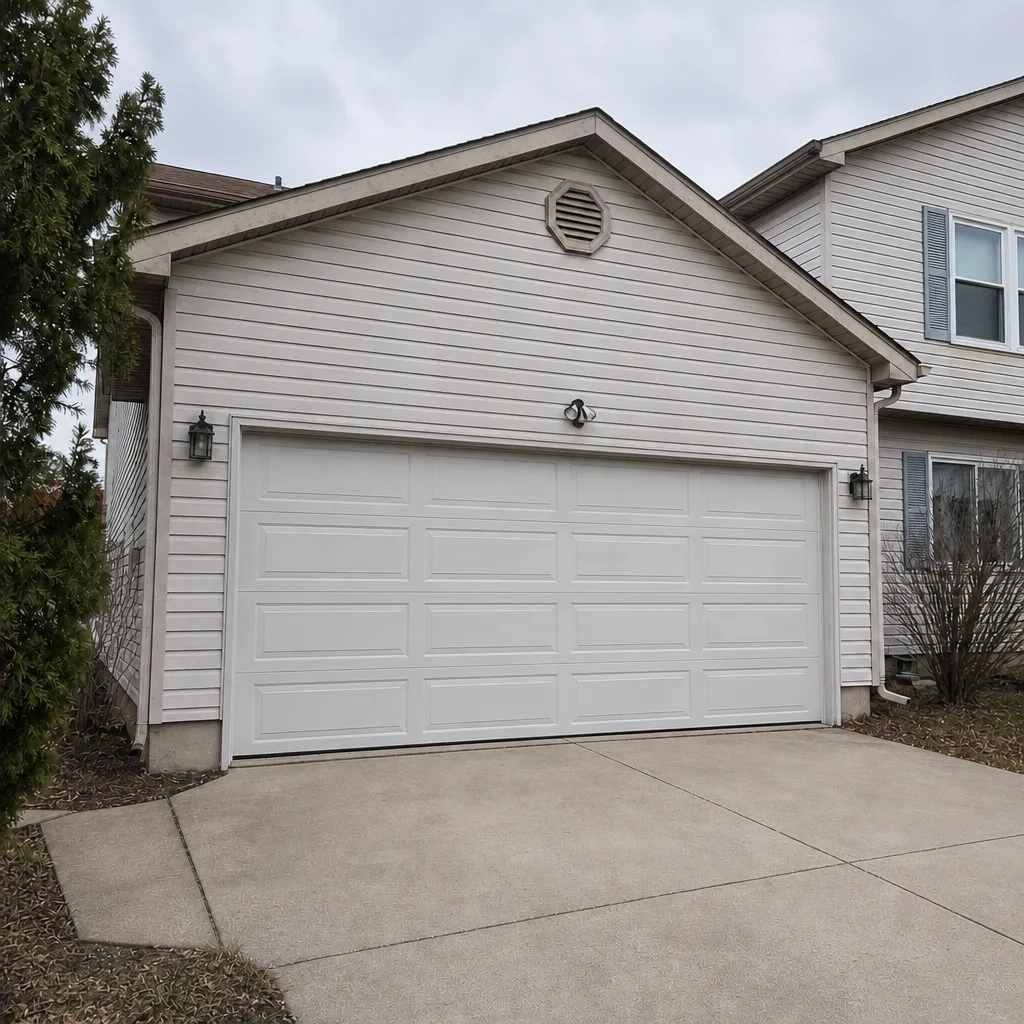 After
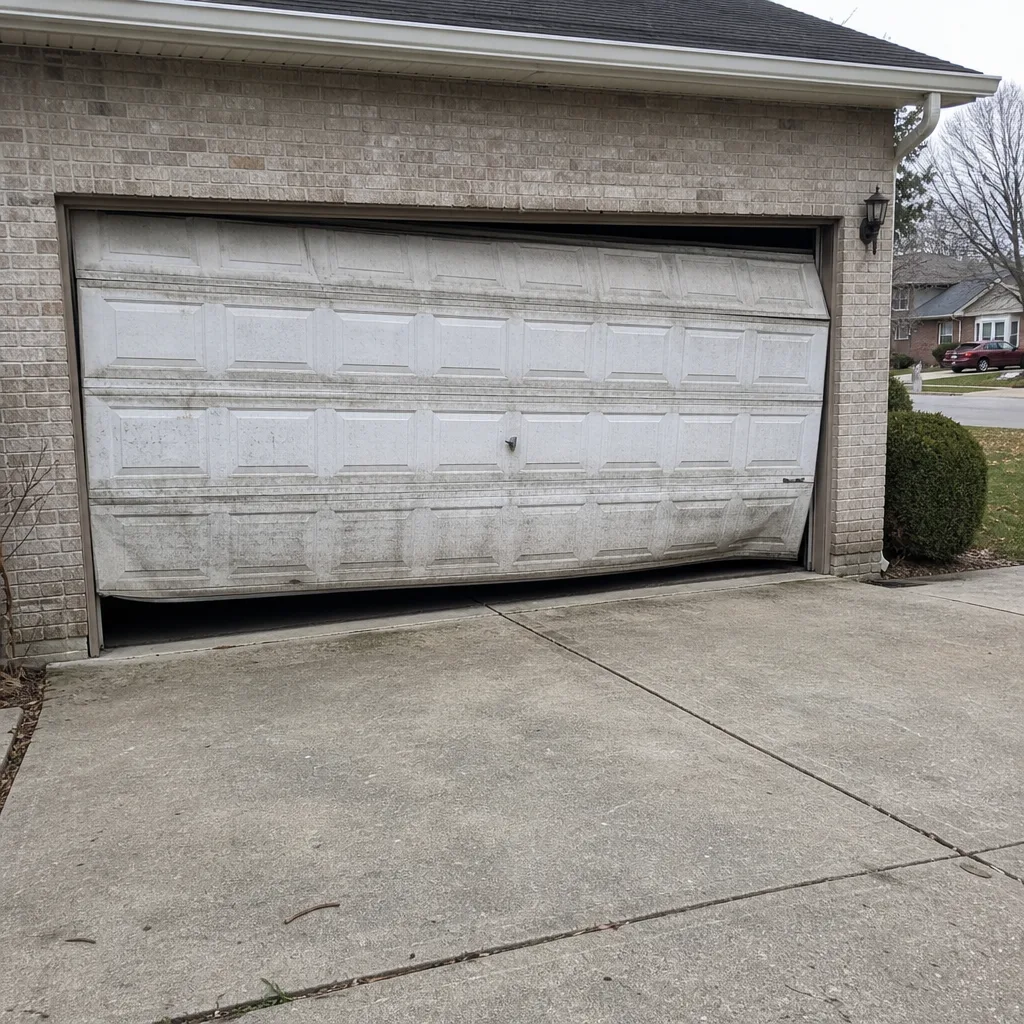 Before
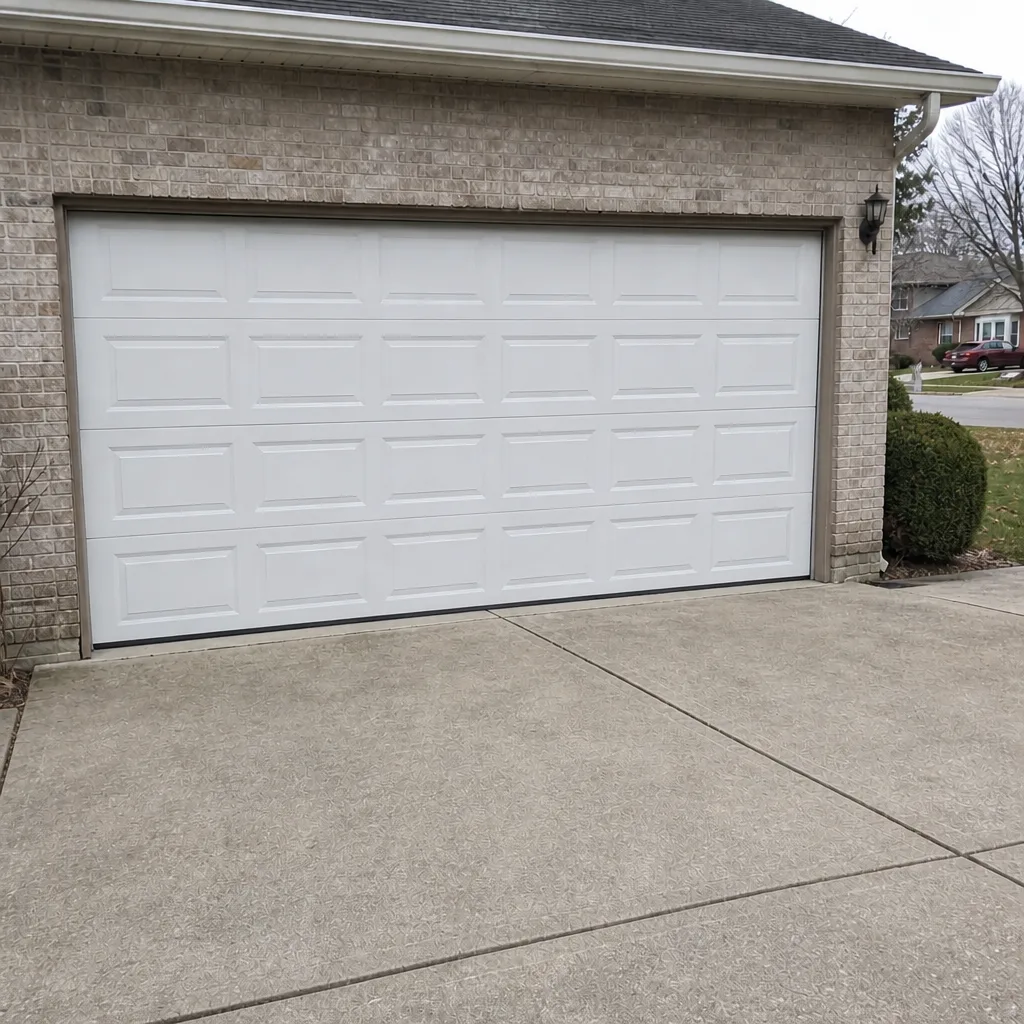 After
When to Call a Professional
Call a professional when the work involves anything structural, anything electrical beyond a straight opener swap, or anything that might need a permit. Call us sooner if the door is moving oddly, the spring is making noise, or the opener isn’t reversing. Those are the safety-critical symptoms that shouldn’t wait. Our technicians have up to 12 years of experience and are factory-familiar with Raynor, LiftMaster, Chamberlain, and Genie equipment, so the diagnosis matches the actual model in your driveway. We handle the full range of work, from a single failed spring to a complete new door, and we can talk through the permitting question before anything is ordered. Garage Door Repair Castleton offers free estimates in Castleton, and the price is quoted and agreed before any work starts. Call (844) 924-2080.
Frequently Asked Questions
Usually not, if the replacement is the same size in the same opening with no structural or electrical changes. A permit is typically required when you enlarge the opening, move it, alter the framing, or run new electrical for the opener. Confirm with the City of Indianapolis Department of Business and Neighborhood Services before you order. Call (844) 924-2080 for a free estimate on the replacement itself.
The contractor pulls the permit on most permitted garage door work, and the homeowner is responsible for verifying it was pulled. In Indiana a homeowner can pull a permit for work on their own primary residence, but most homeowners hire the contractor for it. Ask who is pulling the permit and get the permit number before any work begins. Call (844) 924-2080 and we’ll walk through the responsibility split for your project.
The permit stays open until the correction is made and re-inspected. Most failures are minor (safety-reverse adjustment, missing label, GFCI protection) and fixable within a week. Structural failures take longer and cost more. The permit record is what matters at resale, so a failure isn’t the problem so much as an open permit is. Call (844) 924-2080 if you’re dealing with a failed inspection and need a technician to assess.
Indiana’s energy code treats the wall between an attached garage and the conditioned house as part of the building envelope, so the garage door needs to meet the code minimum for that assembly. In practice, an insulated door is the common choice for attached garages in Castleton, while an uninsulated door may meet the minimum for a detached garage. Ask the installer to confirm the specific requirement for your home. Call (844) 924-2080 for a free estimate on an insulated replacement.
Yes. Search the address in the city’s online permitting portal to see open, expired, and finaled permits. Look specifically for garage-related permits and whether they were finaled. If unpermitted work shows up, talk to the city about retroactive permitting before you list. Call (844) 924-2080 if you want a technician to inspect the door and framing first.
Usually not, if you’re swapping an opener on existing wiring. Running new circuits, adding outlets, or moving the opener to a location that requires new wire runs does typically require an electrical permit. Call (844) 924-2080 if you’re unsure which category your opener replacement falls into.
The Bottom Line
Most garage door replacements in Castleton don’t need a permit. The exceptions are structural changes, electrical work, and new construction, and they’re common enough that skipping the check is a real risk. Wind-load ratings and insulation requirements apply to new installations and affect which door you order. Inspections are manageable when the work is done correctly and the walk-through happens before the inspector arrives. Unpermitted work from a previous owner is verifiable and worth checking before a sale. And the contractor-versus-homeowner liability question is worth settling before work begins. Written by the team at Garage Door Repair Castleton.
Call (844) 924-2080 for a free estimate. Estimates are free, prices are quoted and agreed before any work starts, and we’ll talk through the permitting path for your project before the door is ordered.